


More news on this day
Residents in Bucyrus, Ohio, are returning home after an evacuation order was lifted Monday, following a freight train derailment that raised concerns about a possible hydrochloric acid leak near a busy rail crossing on the city’s south side.
Get the latest news straight to your inbox!
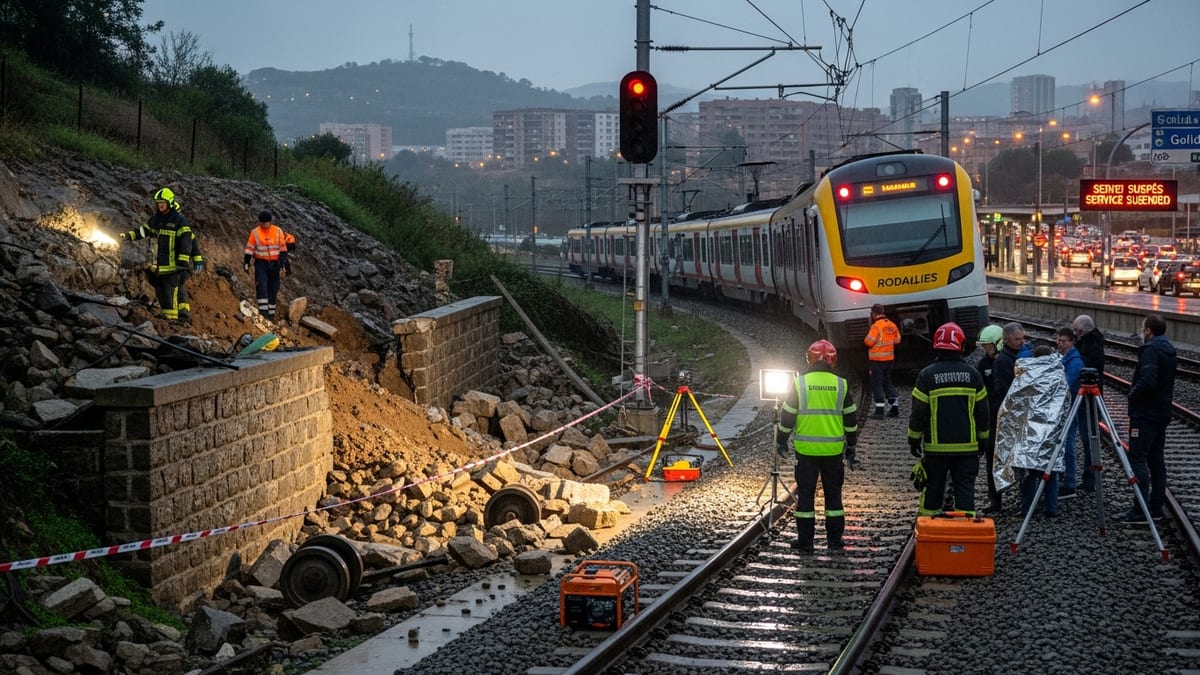
Evacuations Ease After Overnight Chemical Fears
Publicly available information from Crawford County emergency officials indicates the evacuation order was lifted late Monday morning, July 6, after teams assessed the derailed railcars and found no active leaks. Earlier, residents within roughly a quarter to one third of a mile of the site had been urged to leave their homes as a precaution.
The derailment occurred just before 9 p.m. on Sunday, July 5, near the intersection of Whetstone Street and Auto Avenue in Bucyrus. Initial guidance extended the evacuation zone to as much as one mile from the site, according to regional news coverage, before later updates scaled that distance back as monitoring results improved.
Reports indicate that the incident involved a Norfolk Southern freight train and at least one tanker car labeled as carrying hydrochloric acid, a corrosive substance that can irritate the respiratory system if released in significant quantities. Emergency management updates and local media accounts state that, by Monday, responders reported no evidence of a hazardous release into the surrounding neighborhood.
Hydrochloric acid is commonly shipped for industrial and manufacturing uses, and regulators typically require careful handling protocols along with protective zones when a railcar is suspected of leaking. In Bucyrus, the presence of the chemical triggered swift precautionary measures, including door-to-door notifications and public alerts urging residents near the tracks to relocate temporarily.
Temporary Shelters and Travel Disruptions for Residents
As the evacuation took effect Sunday night, residents were directed to temporary shelter options within the city. Local coverage describes Bucyrus High School serving as an emergency shelter for people who chose not to stay with family or friends outside the affected area, providing a gathering point with restrooms, cots, and basic supplies.
The derailment also disrupted local travel patterns on the south side of Bucyrus. Whetstone Street, a key connector across the rail corridor, remained closed Monday as crews worked around the damaged railcars and heavy equipment moved into place for recovery. According to regional transportation reports, the street is expected to reopen sometime Tuesday, though drivers are being urged to watch for changes as cleanup progresses.
Public advisories continue to encourage people who do not live in the immediate neighborhood to stay away from the derailment site. Restrictions are intended both to keep curious onlookers out of harm’s way and to give rail and emergency crews more room to maneuver large machinery and replacement track materials.
Despite the disruption, reports from the scene indicate there have been no widespread injuries linked to the derailment or the brief evacuation. Local coverage has focused largely on the inconvenience for residents, rerouted traffic, and the technical work involved in stabilizing and re-railing the affected cars.
What Early Assessments Say About Environmental Risk
According to publicly available information from regional broadcasters and local news outlets, air monitoring and visual inspections around the derailment site did not show evidence of a hydrochloric acid release by Monday morning. The absence of visible plumes or strong chemical odors, combined with sensor readings, contributed to the decision to lift the evacuation order.
Hydrochloric acid poses the greatest threat when it becomes airborne as a gas or mist at high concentrations. In rail accidents, emergency plans typically call for rapid evacuation if a car is damaged, even before a leak is confirmed. In Bucyrus, that conservative approach meant residents were out of their homes overnight, but early testing data helped limit the duration of the disruption.
Reports indicate that crews are expected to continue monitoring the site as railcars are moved and the track bed is repaired. That ongoing surveillance is considered routine in derailments involving hazardous materials, where shifting equipment or damaged valves can change conditions over the course of a cleanup.
There have been no public announcements of contamination in local waterways or soil connected to this incident as of Monday afternoon. Environmental specialists typically remain involved during later stages of response to confirm that surrounding parks, residential yards, and drainage systems are safe for regular use.
Context for Travelers and Rail Safety Concerns
For travelers and drivers passing through north central Ohio, Bucyrus remains accessible, though those heading along routes that cross or parallel the affected rail line may experience localized detours. Travel industry coverage and regional advisories recommend allowing extra time when moving between Bucyrus and nearby communities such as Mansfield and Marion while street closures remain in place.
Passenger rail traffic is limited in this part of the state, but the freight corridor through Bucyrus is a key route for trains moving across Ohio. The derailment has renewed public attention on rail safety in the region after a series of high profile incidents in the state in recent years involving hazardous materials cargo.
Advocacy groups and transportation analysts have frequently highlighted the volume of freight traffic moving through smaller Midwestern cities and towns, along with the potential impact of even short-term evacuations on residents, local businesses, and travelers. Events like the Bucyrus derailment, where early precautions are followed by reassuring test results, are often cited as examples of how emergency plans are designed to prioritize safety even when the risk ultimately proves limited.
As cleanup continues, publicly available information points to a cautious but steadily improving situation in Bucyrus. The lifting of the evacuation order and the lack of confirmed chemical releases are likely to ease concerns among residents and visitors, even as work crews and investigators remain on scene to restore the line and review what went wrong.