


More news on this day
A 150 million pound plan to deepen Falmouth Harbour and expand Falmouth Docks so it can handle the world’s largest cruise ships is dividing opinion in the Cornish port town, where residents and campaigners warn that the project could damage sensitive marine habitats and strain local infrastructure even as supporters highlight potential jobs and investment.
Get the latest news straight to your inbox!
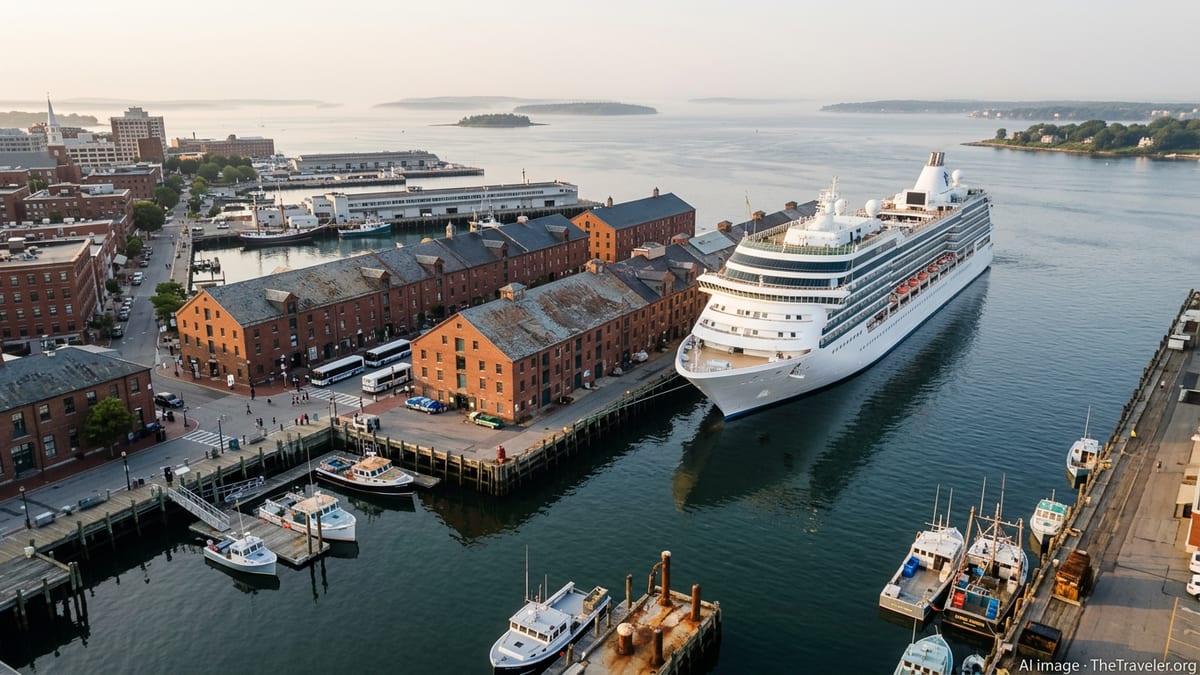
Deepening the harbour for a new cruise era
Falmouth Docks has long been a working port and ship-repair hub, but the current proposal would significantly reshape the harbour. Publicly available information indicates that the plan centres on dredging deeper channels and berth pockets to accommodate much larger cruise vessels than the town currently receives, alongside reinforcing quays and upgrading terminal facilities.
Reports indicate that the investment is framed as essential for keeping Falmouth competitive in an expanding global cruise market. Larger ships are increasingly favoured by major operators, and advocates argue that without deeper water and bigger berths, the town risks losing future business to rival ports that can already handle so-called “mega” vessels.
Supporters of the scheme present it as a modernisation of an historic maritime asset rather than a fundamental change of direction. They point to Falmouth’s existing role as a cruise call and argue that enabling ships to dock directly at the quay, rather than tendering passengers ashore, could smooth operations and potentially increase visitor numbers and spending in the town.
Critics, however, question whether pursuing ever-larger cruise ships is compatible with Cornwall’s branding as a low-impact, nature-focused destination. The debate is increasingly framed around whether scale itself represents a tipping point for both the harbour ecosystem and the character of the town.
Environmental concerns over dredging and protected habitats
At the heart of opposition to the project are fears about permanent damage to sensitive marine habitats in and around Falmouth Bay. The waters off the town are known for maerl beds, seagrass meadows and shellfish grounds that provide nursery areas for fish and support wider biodiversity along the south Cornwall coast.
Environmental groups argue that extensive dredging to deepen the harbour would disturb and potentially remove these habitats. Once lost, campaigners say, such slow-growing ecosystems are extremely difficult to restore on meaningful timescales, raising questions over whether short-term economic gains justify long-term ecological impacts.
Concerns also extend to increased underwater noise, turbidity and the risk of pollution from larger numbers of cruise calls. Bigger ships bring heavier fuel use, more waste to manage and greater pressures on water quality in relatively confined waters, particularly during peak season when other vessel traffic is already busy.
Supporters of the development maintain that mitigation measures, modern waste-handling systems and strict operating rules can limit environmental harm. They argue that carefully managed port infrastructure may be better placed to control emissions and discharges than ad hoc anchorage arrangements. Opponents counter that even with safeguards, the scale of activity associated with mega-cruise operations inevitably raises cumulative risks.
Fears for town fabric, infrastructure and liveability
Beyond ecological worries, a growing strand of local criticism focuses on how much cruise growth Falmouth can realistically absorb without undermining the qualities that attract visitors in the first place. The town’s narrow streets, historic waterfront and limited road capacity already feel the strain at peak holiday times.
Larger ships can bring thousands of passengers ashore within a short window, concentrating demand on the same small set of shops, cafes and attractions. Residents fear that the proposed expansion could amplify seasonal crowding, push up prices and tilt the local economy further towards short-term tourism rather than year-round services and housing.
Some community voices, as reflected in local reporting and public comments, question whether “huge cruise ships” align with Falmouth’s scale and identity as a port town framed by wooded creeks and sheltered coves rather than sprawling resort infrastructure. They argue that an overemphasis on volume tourism risks eroding the very atmosphere that visitors seek.
Business groups sympathetic to the scheme respond that cruise passengers provide a valuable boost for local traders, especially during shoulder seasons. However, critics highlight that many visitors from cruise ships spend limited time and money on shore, raising doubts about how widely the financial benefits are shared across the town compared with the broader social and environmental costs.
Balancing ship repair, industry and tourism growth
The Falmouth Docks plan also reopens a longer-running debate about the balance between traditional marine industry and the expanding visitor economy. The docks have historically been associated with ship repair, engineering and other industrial activity, and some residents are wary of a shift that might prioritise cruise traffic over these long-established roles.
Publicly available documents and commentary suggest that the investment is pitched as a way to secure and possibly increase skilled jobs in construction, operations and port services. Advocates argue that without significant new income streams, the docks could struggle to sustain employment in a highly competitive global market for marine work.
Opponents question whether tying the site’s future so closely to the cruise sector introduces new vulnerabilities, particularly as scrutiny of cruise emissions and over-tourism grows. They contend that diversifying into lower-impact marine industries, clean shipping technologies or smaller-scale visitor operations might offer a more resilient and environmentally aligned path for the port.
This tension between different visions of Falmouth’s working waterfront underpins much of the current dispute. It raises broader questions about how coastal towns can modernise critical infrastructure while remaining true to their maritime heritage and environmental responsibilities.
What happens next for Falmouth’s contested waterfront
The 150 million pound expansion proposal remains subject to a complex mix of planning processes, marine licensing and environmental assessment. Future decisions will likely hinge on whether the project can demonstrate that its economic benefits outweigh the documented ecological risks and social impacts.
Local campaign groups are expected to continue pressing for rigorous scrutiny of dredging plans, protections for maerl and seagrass habitats, and clearer evidence on how additional cruise traffic would be managed. Calls for alternative investment strategies that place greater emphasis on marine conservation and lower-carbon industries are also likely to feature in the debate.
For now, the question of whether Falmouth really needs to welcome the world’s largest cruise ships, or whether it should focus on smaller vessels and a different model of waterfront regeneration, remains unresolved. The outcome will shape not only the future of the docks, but also the identity and liveability of one of Cornwall’s best-known harbour towns.