


Houston is a strong starting point for a road trip because it gives families a menu of experiences without committing to long drive days. Within a few hours, you can plan a beach morning, a wetland boardwalk stroll, a small-town history afternoon, or a forest picnic, which is exactly why so many Houston weekend trips end up feeling varied even when the mileage stays modest.
This road trip guide emphasizes how many worthwhile day-trip options sit outside the loop and are suited to quick escapes, and which lines up well with the way many families actually travel with mixed ages and energy levels.
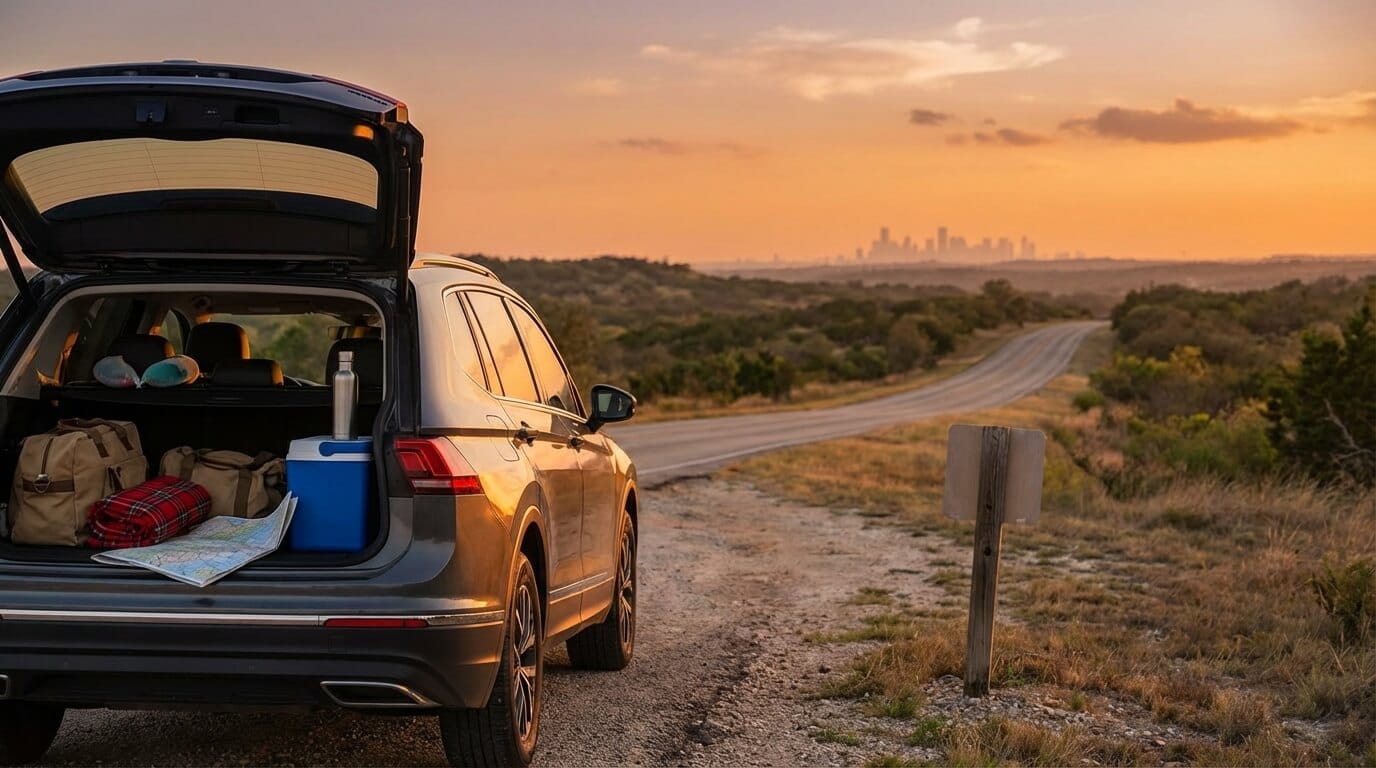
Top Scenic Drives Near Houston for Family Road Trips
For families searching scenic drives near Houston, the most reliable formula is to choose a destination that has at least one “anchor” attraction with restrooms and shade, then layer in one or two short stops so the drive never turns into a marathon. Along the Gulf Coast and the bay, that anchor is often a museum, boardwalk, or state park visitor area; inland, it is usually a state park headquarters, a historic site visitor center, or a downtown main street where you can reset with snacks and bathrooms.
Coastal causeway to Galveston’s beaches and seawall
A straightforward family drive follows I-45 south to Galveston, which the official Galveston travel guide describes as about an hour south of Houston, and a recent Visit Galveston travel page describes as roughly 50 miles from downtown Houston with a direct I-45 connection. The family appeal is that the route finishes with a high-density cluster of kid-friendly options, so you can minimize extra driving once you arrive and still mix beach play with indoor attractions if the weather turns.
On the island, the scenic highlight is often the seawall drive and the transition from causeway views to open Gulf horizon, which feels novel to kids even on repeat trips. Restroom planning is strongest at beaches that operate with amenities in-season, and local reporting shows that at least some beach parks adjust restroom and shower availability by season, which matters if you are traveling in shoulder months.
Bay Area Boulevard and NASA Parkway to Clear Lake wetlands
A lower-stress route for younger kids heads southeast toward the Clear Lake area where you can combine maritime views, short nature walks, and one major indoor attraction in the same geography. This drive tends to work well for toddlers and early elementary families, because you can cap the day with a time-boxed visit rather than a wide-open itinerary that depends on weather.
An especially reliable stop along this corridor is Armand Bayou Nature Center, which posts clear public hours and admission on its official site and is easy to treat as a short, stroller-friendly nature interlude if you arrive early in the day. Its visitor information also explicitly notes that pets are not allowed, which is worth flagging for families who travel with dogs and assume every outdoor stop is pet-friendly.
FM 762 and coastal prairie edges to Brazos Bend’s wild wetlands
If you want a nature-heavy outing with a “big animal” payoff that does not require a long drive, Brazos Bend is one of the closest feeling “away” experiences from the city. Texas Parks and Wildlife describes the park as just 45 miles from downtown Houston, and the park’s published hours and gate information support the kind of early arrival and early dinner pacing that works well with kids.
For family logistics, the park’s official reservation portal and facility notes are unusually important because they clarify that swimming is not allowed and visitors cannot enter the water due to alligators, which helps parents set expectations before kids show up in swimsuits. This is also a destination where you should treat rain as a real itinerary factor, since the reservation details warn that some trails can close frequently after rain, which can shift you toward boardwalks, shorter loops, or the observatory option as a backup.
I-45 north into the Piney Woods for lakeside breaks and short trails
Northbound routes toward Huntsville and the national forest are often the most comfortable “all ages” choice because they offer shade, shorter hiking options, and easier picnic pacing than full-sun coastal days. Huntsville State Park posts hours of 6 a.m. to 10 p.m. and notes it can reach capacity, which is a strong cue to book day use in advance on peak weekends if you need a guaranteed plan.
This corridor also benefits from real-time flexibility when conditions change, as recent local reporting shows a wildfire near Montgomery that temporarily closed a section of the Lone Star Hiking Trail in early February 2026. For editorial accuracy, the practical takeaway is not fear but habit: check forest and park alerts the morning you go, especially in dry or windy conditions, and build in an alternate stop like a lake recreation area or a town lunch so the day still works if a trail segment closes.
Highway 290 countryside to Brenham and Washington County’s small-town rhythm
When families want “Texas small town” without a long drive, the westbound run toward Brenham is a classic because the road feels like a clean transition from big city to open land. A dependable family anchor here is Blue Bell Creamery - Brenham, whose official visitor page lists specific weekday hours for the visitor center, parlor, and country store, plus limited observation deck hours and accessibility notes that it is wheelchair accessible.
This route becomes especially useful for mixed-age families because it lends itself to short, structured stops, meaning teens get a change of scenery and younger kids get a predictable reward at the end. The site also posts occasional closure notices on the same page, which is a planning advantage compared with attractions that only announce changes on social media.
A map visual that typically performs well in Texas family travel guides is a simple hub-and-spoke graphic centered on Houston, with five labeled arrows showing approximate drive time bands and a short note about where reservations are recommended. A second helpful visual is a “coast vs. forest vs. small town” comparison map screenshot from a mapping service, marked with the three most popular end points, so parents can understand geography at a glance before they read details.
How to Choose Car Transport Companies in Houston Texas for Your Next Adventure
Most family road trips start and end at home, but some travel situations make families consider vehicle shipping rather than driving every mile. Relocations, a multi-state summer where you want to fly one direction, or a scenario where one adult returns early with kids while the other finishes a trip are common reasons families look up car transport companies in Houston Texas, especially when the alternative is adding an exhausting return drive after a high-energy vacation.
The practical baseline is to understand broker versus carrier roles and to verify credentials rather than relying on a website or a quote. The Federal Motor Carrier Safety Administration explains that auto transport brokers and carriers operating interstate are required to be registered with FMCSA and are issued MC docket numbers and USDOT numbers, and it notes you can check a transporter or broker by doing a carrier search. The official SAFER Company Snapshot tool exists specifically for searching by DOT number or company name, and it is the simplest way to confirm whether the business you are dealing with is identifiable in the federal system.
Families should also treat “too good to be true” pricing as a planning risk, especially in peak moving seasons, and consumer reporting is clear that scams and bait-and-switch tactics can target car shipping customers. A recent consumer finance article aimed at seasonal travelers recommends asking for the company’s DOT ID number and using FMCSA’s Company Snapshot database, while also being cautious about unusually low quotes and questionable deposits. This does not mean families need to fear car shipping, but it does mean editorial guidance should emphasize verification as a normal step, like checking cancellation policies before booking a hotel.
Must-See Attractions Along Popular Houston Road Trip Routes
The core family attractions in Houston itself create a strong “base camp” day before you head out, especially if you want to avoid packing and unpacking every night. Houston Museum of Natural Science publishes clear museum hours and admissions on its official site, including typical adult and child pricing, plus free general admission to permanent exhibits on Tuesdays in the evening time window, which can be useful for families balancing budgets. The same official hours page includes a notice that specific halls can be temporarily closed, which is a reminder that parents should check “today” updates if a single exhibit is the reason for the visit.
For space-focused families, Space Center Houston remains one of the most reliable all-ages day trips because it combines indoor exhibits with tram tours that feel like a behind-the-scenes experience. Its official hours page posts “hours today” and warns hours are subject to change, and its visitor information page publishes admission price ranges by age and purchase method, which helps families plan with fewer surprises. The NASA Tram Tour page adds a subtle but critical stroller detail, stating strollers are not allowed on the tram and should be left in stroller parking near the queue, which is the kind of operational nuance parents appreciate before arrival.
In the Museum District, Children's Museum Houston is often the most effective energy release for kids who have been in the car, and the museum’s own site lists ticket prices by age and highlights weekly free admission windows. The museum’s accessibility page also notes that restrooms accommodate wheelchairs and large strollers and that wheelchairs are available on a first-come basis, which matters for families with mobility needs or for traveling grandparents.
If your Houston base day includes animals, Houston Zoo is operationally straightforward because it publishes daytime hours, last entry timing, and the fact that timed tickets are required for non-members. The zoo also publishes rental information and pricing for strollers and mobility equipment, which helps families decide whether to bring their own stroller or rent on-site. For families traveling on tight budgets, the zoo’s own site describes Free Zoo Days on the first Tuesday of each month with online reservations, which can reduce cost without reducing quality.
Along the Bay Area coastal route, Kemah Boardwalk is a common add-on because it is easy to “time box” with rides, water views, and simple dining. The safest way to report operational details is to direct readers to the official ride hours page, which not only confirms hours vary by day but also notes that some attractions may be closed, including a closure note on specific rides. That kind of transparency supports realistic trip planning, especially for children who fixate on a single coaster.
On the island in Galveston, family attractions tend to cluster tightly, which reduces driving with kids once you are there. Moody Gardens is often the most weather-resilient choice because it combines indoor “pyramid” exhibits with seasonal outdoor options, and its official site emphasizes it is open year-round and provides a centralized “daily hours” hub. For amusements, Galveston Island Historic Pleasure Pier posts all-day ride pass pricing by height on its official ticket page, which is especially useful for families with mixed ages and heights trying to avoid disappointment at the gate.
For nature breaks on the coast that still feel like a “park day,” Galveston Island State Park lists entrance fees and notes that reservations for day use and camping are strongly recommended because the park often reaches capacity. The ReserveAmerica details add practical nuance, including gate hours and the reminder that mosquitoes can be a nuisance year-round, which is the kind of detail families feel immediately if they forget bug spray.
To the east, families who want a “big wilderness feel” without an all-day drive often aim for Big Thicket National Preserve. The National Park Service confirms the preserve is entrance-fee free, and it posts clear visitor center hours and closure days, while also noting that roads, trails, and waterways are open 24 hours and that free backcountry camping permits come from the visitor center. NPS also provides a clear pet policy requiring leashes and prohibiting pets inside the visitor center, which is important because many travelers assume national parks always allow dogs everywhere.
Family-Friendly Overnight Stay Options for Houston Road Travelers
For overnight planning, families do best when they match lodging type to the “energy level” of the trip. A beach-and-park weekend usually benefits from a single property near the main attractions to reduce driving, while a forest weekend often benefits from a cabin or screened shelter that makes early mornings and early bedtimes easy.
In Galveston, Moody Gardens Hotel, Spa & Convention Center is a common family base because it is physically adjacent to Moody Gardens attractions, which reduces transit time with young kids. The hotel’s own amenities page highlights indoor and outdoor pool access and practical supports like guest laundry, which families often need on multi-day trips, and local reporting notes the property has been investing in updated rooms and common spaces, which is relevant context for a “good for families” evaluation.
For a pure state-park style overnight close to Houston, Huntsville State Park is well suited to families who want structure without a big “setup” burden. TPWD’s facilities pages describe screened shelters, the number of people per site, and the proximity of restrooms with showers, and they also note weekend minimum stays for some overnight facilities, which matters for Friday and Saturday planning.
For a small-town overnight that feels restful and walkable, Brenham’s downtown lodging works well because families can park once, sleep, and then walk to breakfast without loading the car. Ant Street Inn is one prominent example in the market, and Visit Brenham describes it as a downtown option with included breakfast and easy access to local dining, which supports a low-stress itinerary where the drive is the adventure and the lodging is the reset.
For families who prefer to stay in Houston and do “spokes” rather than moving hotels, the Museum District area tends to be efficient because it clusters multiple major attractions with minimal intra-day driving. This strategy also fits families traveling with grandparents or infants, because it keeps nap routines stable and lets you pick day trips based on weather and energy rather than on checkout time.
Tips for Packing and Planning a Stress-Free Houston Road Trip
A stress-resistant family itinerary starts with realistic drive pacing, not the “maximum attractions” mindset. For toddlers and preschoolers, the sweet spot is usually a single anchor activity per day and one flexible outdoor stop, while teens often have a better experience when a trip includes at least one higher-energy element like a theme pier, a rides district, or a long nature walk that feels like a challenge.
Seasonal heat planning is non-negotiable around Houston, especially from late spring through early fall. The National Weather Service’s heat safety guidance explicitly highlights that children and older adults are especially vulnerable to overheating and warns never to leave anyone in a car, even for a short time, which should be treated as a core family travel safety message rather than an optional reminder. In practical terms, this means carrying more water than you think you need, choosing morning slots for outdoor hikes, and saving indoor museums or aquariums for the peak afternoon heat window.
Hurricane season matters for coastal trips even when storms are not in the forecast, because it affects how families should think about cancellations and flexibility. NOAA’s National Hurricane Center states Atlantic hurricane season runs from June 1 through November 30, and that timeline should inform booking choices like refundable lodging, not just the day-of weather check. Families who build a Plan B, such as a Houston museum day or a shorter inland drive, often end up with a better trip even if the weather stays clear.
On the legal and safety side, Texas child restraint rules are worth stating plainly for families traveling with visiting relatives or rental cars. Texas health and transportation resources explain that it is an offense to transport a child under eight unless properly secured in a child passenger safety seat system, unless the child is taller than 4 feet 9 inches, and TxDOT also reinforces seat belt requirements for all passengers. For travel editors, this is also a reason to recommend checking that rental cars have appropriate LATCH compatibility and that families pack the right seat for the child’s size and age.
For parks, “access planning” usually comes down to reservations and timing rather than physical difficulty. Texas Parks and Wildlife explains that buying a day pass in advance can guarantee access and works like a reservation, and several near-Houston parks explicitly note they can reach capacity and recommend reserving day use passes. In practice, a family that books day use for a Saturday morning can treat the rest of the day as flexible, rather than spending the first hour negotiating lines or turning around when the gate is full.
Restrooms and diaper planning are easiest when you anchor your day at places built for visitors. Major museums and attractions publish accessibility and restroom information more often than you would expect, and you can plan diaper changes and stroller breaks around those facilities rather than improvising on the shoulder of a highway. For example, Space Center Houston confirms accessible restrooms and provides guidance tied to its tram-tour queue, while the Children’s Museum explicitly notes that restrooms accommodate large strollers and wheelchairs.
For pet policies, Houston-area travel is mixed and families should not assume that “outdoors” means “dogs welcome.” Texas state parks allow pets with leash rules but do not allow pets inside buildings, while Big Thicket allows pets on leash but excludes them from the visitor center and programs, and Armand Bayou states pets are not allowed for wildlife safety. The practical editorial guidance is to suggest families choose one “pet-friendly day” and one “no-pet day” rather than trying to carry a dog through every stop.
Budgeting is most accurate when you separate fixed costs from variable costs. Fixed costs often include day fees at Texas state parks, which are published clearly and are often free for children twelve and under, while variable costs include seasonal ticket pricing for big attractions and parking. For example, Brazos Bend and Huntsville post per-person day use pricing for visitors 13 and older, Space Center Houston publishes a price range by age and purchase method, and HMNS publishes admission and free Tuesday windows, all of which can be used to build a realistic family budget without guessing.
The Takeaway
A family road trip around Houston works best when it is treated as a series of short, distinct experiences rather than a single long loop. Coastal days, wetlands and wildlife park days, and Piney Woods lake-and-trail days can all be “big memory” outings without big mileage, especially when parents prioritize a single anchor activity, keep restrooms and shade predictable, and reserve parks and timed tickets early.
For editorial completeness, it is also worth acknowledging the real-life logistics that shape family travel decisions, including shoulder-season heat, hurricane season flexibility, and occasional interest in car shipping when trips connect with relocations or one-way travel. With clear expectations, verified hours, and a plan that fits the ages in your vehicle, Houston remains one of the strongest bases in the state for flexible and varied Texas family travel.