


More news on this day
The UK Foreign, Commonwealth and Development Office has widened its Middle East travel warning to cover 16 countries, prompting airlines, tour operators and travellers to reassess winter itineraries across a region described in recent advisories as unpredictable.
Get the latest news straight to your inbox!
Which 16 countries are now covered
According to the latest UK foreign travel advice updated on 28 October 2026, the regional warning appears on the country pages for 16 states in and around the Middle East. Publicly available FCDO data and media summaries indicate that the list comprises Israel, the Palestinian territories, Iran, Iraq, Syria, Yemen, Turkey, Egypt, the United Arab Emirates, Oman, Qatar, Bahrain, Jordan, Saudi Arabia, Kuwait and Pakistan.
The wording of the new alert highlights the potential for rapid escalation linked to conflict and instability across the wider region. The warning is applied as an additional caution on top of existing country specific assessments, which in some cases already advise against all travel or against all but essential travel to particular areas or entire nations.
Coverage of the update notes that several of the 16 countries, including Israel, the Palestinian territories, Syria, Yemen, Iran and Iraq, already had some of the strictest pre existing guidance because of armed conflict, terrorism risks and civil unrest. The expanded regional note therefore has the greatest incremental impact on destinations such as Turkey, Egypt, the Gulf states and Pakistan, where large numbers of leisure and business travellers normally pass through major hubs.
The presence of prominent transit and holiday gateways such as Dubai, Abu Dhabi, Doha, Istanbul, Jeddah, Riyadh and Sharm el Sheikh on the affected country list means travellers from the UK and beyond may encounter additional scrutiny from airlines and insurers even if their final destination lies outside the Middle East.
How the new warning sits alongside existing FCDO advice
The regional notice does not replace individual country travel advice but sits alongside it. On some pages, the FCDO already advises against all travel or all but essential travel to specific border regions or cities, while maintaining that other areas can be visited with heightened caution. In others, separate long standing alerts relating to terrorism, missile and drone attacks, or civil unrest remain in place.
For example, publicly accessible briefings summarising the new position point out that parts of Turkey, Egypt, Israel, Palestine, Jordan, Pakistan and Saudi Arabia are already subject to warnings against all travel or all but essential travel. In Saudi Arabia, recent updates referenced attacks against airports and long range strikes, contributing to tightened guidance on flying into key gateways such as Riyadh and Jeddah.
In Gulf states including the United Arab Emirates, Qatar, Bahrain, Oman and Kuwait, the baseline FCDO advice continues to stress the risk of regional tensions spilling over into security incidents or airspace disruption, even where day to day conditions in tourist districts and business centres have appeared calm. The addition of the Middle East wide caution underlines the possibility of further changes at short notice.
The FCDO states in its explanatory material that assessments are kept under constant review and may be amended rapidly if new intelligence or incidents suggest a material change in the level of risk faced by British nationals abroad. Travellers planning trips to or through any of the 16 countries are therefore being urged in public guidance to check the relevant pages frequently in the days before departure.
Impact on flights, transit hubs and winter travel plans
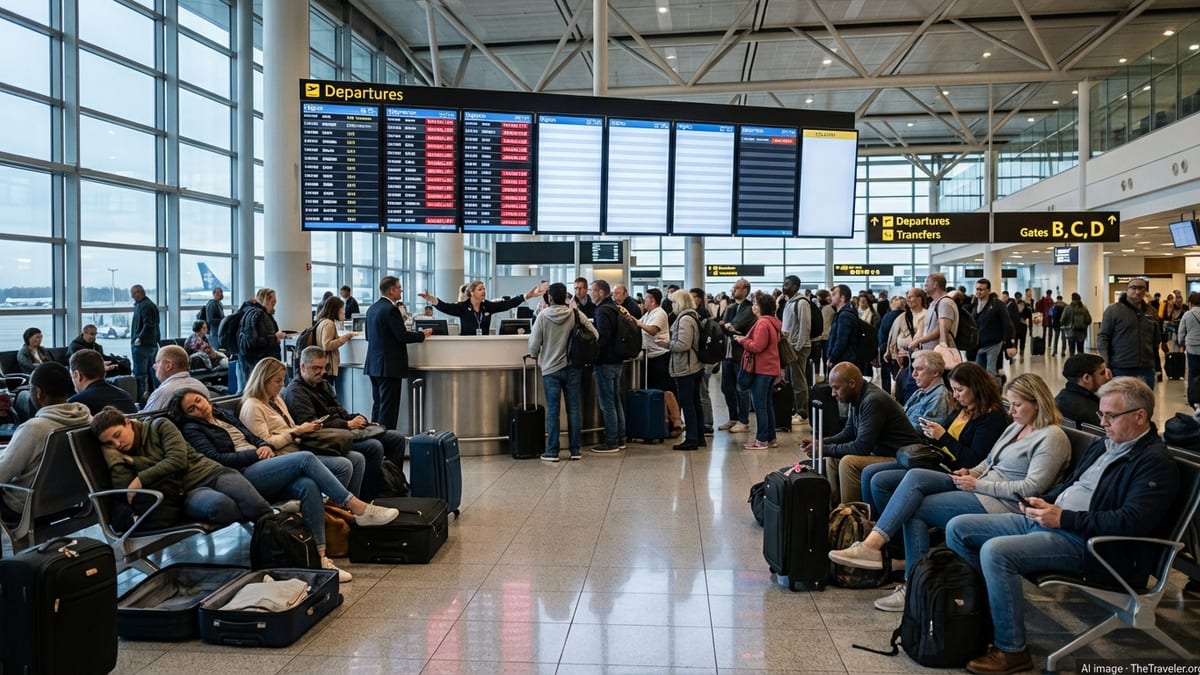
The expanded warning comes at the start of the busy winter season, when routes linking the UK to the Middle East typically carry high volumes of holidaymakers seeking warm weather, as well as business travellers and passengers connecting onwards to Asia, Africa and Australasia. Travel industry bodies report that the advisory is already prompting itinerary reviews and re routing discussions.
Earlier operational updates from airlines and travel management companies have highlighted the potential for last minute schedule changes, temporary airspace closures and diversions across parts of the Middle East when tensions spike. Some carriers have previously reduced night time operations, rerouted flights around sensitive areas or consolidated services, and similar measures may reappear if the security outlook deteriorates again.
Guidance compiled for corporate travellers and universities with staff abroad stresses the possibility that passengers transiting regional hubs could become stranded for extended periods if connecting flights are cancelled or if countries tighten entry rules at short notice. Those with complex itineraries involving multiple stops in the Middle East are being advised in open advisories to build in additional contingency time and to monitor airline communications closely.
Reports from global travel insurers and risk management providers also indicate increased scrutiny of policies covering trips to the affected countries. Many policies contain clauses that limit cover if travellers choose to visit an area after the FCDO has advised against all but essential travel, making it important to check the wording carefully before departure or making final payments.
What travellers are being told to do now
Publicly available guidance drawing on the updated FCDO position sets out a series of practical steps for anyone with imminent travel to the 16 countries. Travellers are encouraged to register contact details with their airline or tour operator, ensure that emergency contact information is up to date, and keep digital and paper copies of passports, visas and insurance documents.
Anyone due to travel is also being urged in open travel risk briefings to review whether their visit is essential in light of the latest advice, particularly where existing country specific notices already advise against all travel to certain provinces or cities. Where journeys are considered necessary, travellers are being advised to maintain a low profile, stay alert to local developments and avoid areas where large crowds or political gatherings may form.
Institutions that send students, researchers or staff to the Middle East are updating internal risk assessments and approval processes in response to the broadened warning. Some universities and companies have already suspended non essential trips to higher risk destinations and redirected meetings or conferences to alternative locations.
For leisure travellers, travel trade groups suggest that those uncomfortable with the evolving situation should first check the terms and conditions of their booking and insurance policy before seeking to amend or cancel. In many cases, fee free changes are at the discretion of airlines and tour operators unless the FCDO has moved to a formal stance against all but essential travel for the specific destination and dates concerned.
Alternatives and the outlook for the months ahead
With uncertainty persisting, long haul specialists report rising interest in alternative winter sun destinations outside the Middle East, including parts of southern Europe, the Canary Islands, the Caribbean and the Indian Ocean that are not currently affected by comparable regional warnings. Some carriers have already added capacity on routes to these markets in previous periods of Middle East disruption and may adjust schedules again if demand shifts markedly.
Travel risk consultancies note that the situation in the region remains fluid and that the FCDO may ease or tighten its stance on individual countries as developments unfold. Past patterns show that government travel advisories can remain in place for extended periods after headline events, especially where underlying security drivers such as conflict and terrorism persist.
For now, the expanded Middle East warning serves as a reminder that even transiting a country can carry implications for travel cover and logistical planning. Travellers are being encouraged, through publicly available guidance, to treat the FCDO updates as a key planning tool alongside airline notices and reputable local news sources when weighing up whether to proceed with journeys in the months ahead.