


More news on this day
A residential cruise that sold lifetime "homes at sea" for about $230,000 a cabin has abruptly suspended its three year world voyage in Cambodia, leaving more than 200 MV Odyssey passengers facing an unexpected layover on land as soaring fuel costs render the trip financially unworkable.
Get the latest news straight to your inbox!
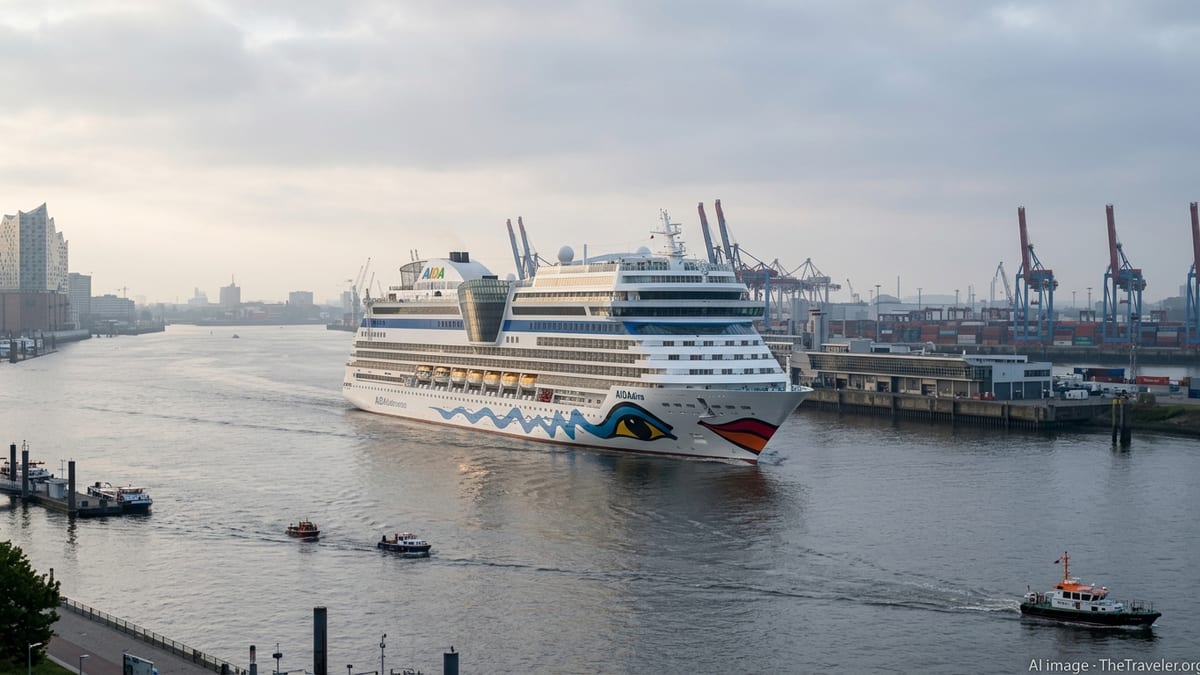
A floating home dream stalls in Sihanoukville
The MV Odyssey, operated by Florida based company Villa Vie Residences, arrived this week at Sihanoukville Autonomous Port on Cambodia’s Gulf of Thailand coast and informed passengers that its three and a half year global itinerary would not continue. Publicly available information indicates that around 203 passengers, many of them Americans, were on board a ship built to carry roughly 650 people.
The voyage began in October 2024 from Belfast, Northern Ireland, following a refit that transformed the 1993 built vessel into a residential style cruise ship. Marketing materials promoted the concept as a chance to “make the Odyssey your permanent home,” with suites for the lifetime of the vessel starting at about 230,000 dollars, alongside monthly maintenance fees.
Passengers had signed on for a journey across seven continents, combining long term living at sea with slow paced global travel. The suspension in Cambodia has interrupted that plan midway, with many residents now effectively between homes while they work out how and when they can leave the country.
Soaring fuel prices and a shifting global context
According to published coverage, Villa Vie Residences has pointed to an abrupt jump in fuel prices along parts of its Asian route as the main reason for halting the voyage. Company figures cited in multiple reports indicate that monthly fuel expenses per cabin, which historically averaged around 1,800 dollars, have climbed to an estimated 6,000 to 8,000 dollars in some regional waters.
The spike is being linked in news reporting to the wider impact of the war involving Iran on global energy markets, which has tightened supplies and driven up costs for fuel reliant transport sectors. For a vessel that committed to offering fixed price, long duration residential stays, the increase appears to have pushed operating costs beyond sustainable levels.
The MV Odyssey case highlights the vulnerability of extended itinerary and “live aboard” cruise models to geopolitical shocks and volatile bunker fuel prices. Unlike traditional cruises that can be repriced season by season, residential voyages often depend on multi year commitments agreed well in advance, leaving less flexibility when costs surge.
Passengers stranded and searching for options in Cambodia
Reports from Sihanoukville describe passengers disembarking with their belongings and moving into hotels in the coastal city while they await clarity on onward travel arrangements. Some travelers had sold or rented out their homes on land to fund what was marketed as a long term or even permanent life at sea.
Publicly available accounts from passengers indicate a mix of shock and disappointment, but also a degree of acceptance that the risk of such an ambitious concept failing was known from the outset. Several travelers have noted in media interviews that they are now focused on securing flights home and short term accommodation while they assess their finances.
Cambodia has prior experience handling cruise related disruptions. During the early stages of the COVID 19 pandemic in 2020, the country allowed the cruise ship Westerdam to dock after it had been turned away from multiple ports in Asia. In the current situation, Sihanoukville is again serving as an unscheduled endpoint for an international voyage, though this time driven by economics rather than public health rules.
Residential cruising model faces new scrutiny
The MV Odyssey suspension comes at a time when residential cruising and “life at sea” concepts have been receiving increased attention from travelers looking for alternative lifestyles. Several operators have promoted multi year or open ended voyages, positioning them as an answer to rising housing costs on land and a way to see the world without constant packing and unpacking.
Analysts following the sector note that the Odyssey case raises questions about how resilient such models are to sudden cost shocks and changing geopolitical conditions. Long term contracts, pre sold cabins and promises of lifetime access can be difficult to honor if fuel prices or insurance costs rise sharply along certain routes.
Prospective residents may now look more closely at contractual fine print regarding itinerary changes, refund policies and the financial structure of operators. Observers suggest that transparent contingency plans for fuel spikes or route disruptions could become a key differentiator for future residential cruise offerings.
What stranded travelers and future passengers can expect
As of late October 2026, publicly available reporting indicates that Villa Vie Residences is working to arrange travel home for passengers and to address the status of their long term cabin purchases. Specific compensation terms and any potential continuation of the voyage under a different model or operator have not been fully outlined in open statements.
Travel industry commentators expect that affected passengers will seek clear timelines for reimbursement, credit, or alternative arrangements, given the significant sums paid upfront for lifetime or multi year access. Consumer protection rules for cruise passengers vary by jurisdiction, and the international nature of the voyage means that any remedies may be complex.
For travelers watching from afar, the MV Odyssey’s abrupt stop in Sihanoukville serves as a reminder that even well publicized, high concept voyages carry real operational and financial risks. The promise of a home at sea can be compelling, but as rising fuel costs and geopolitical tensions show, life on the ocean remains closely tied to events on land.