


More news on this day
FedEx has returned its MD-11 freighters to revenue service after a six month grounding, a move that restores a major slice of global widebody cargo capacity and signals renewed confidence in the tri-jet’s role in international logistics.
Get the latest news straight to your inbox!
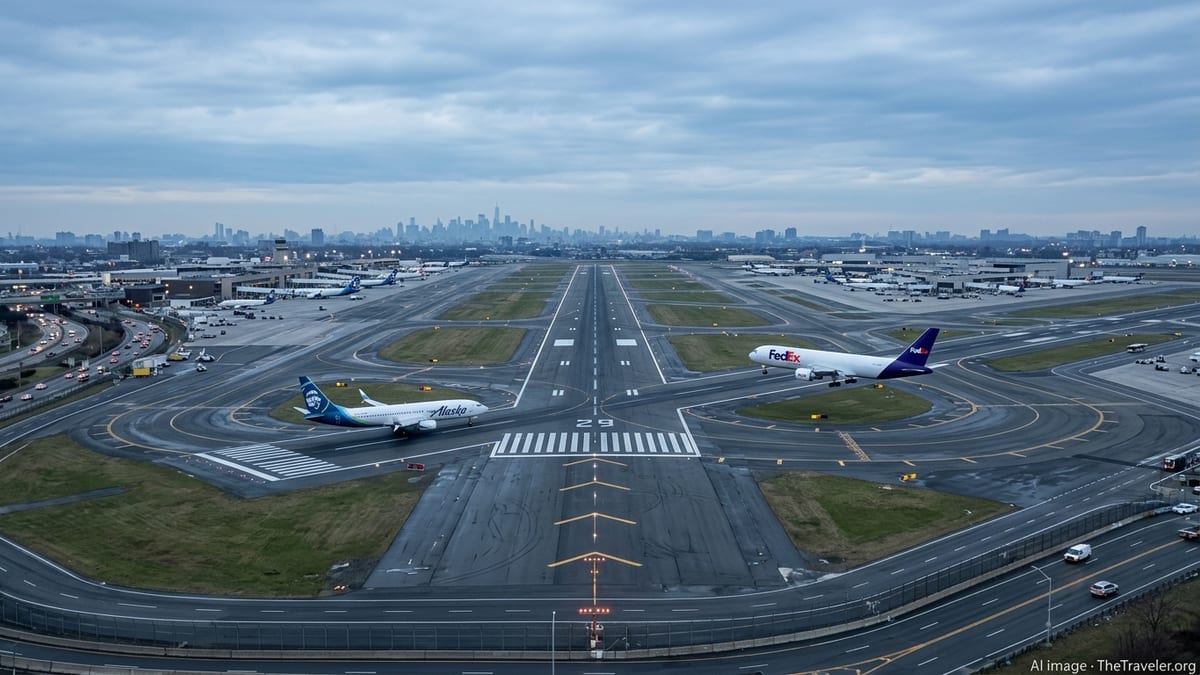
First Revenue Flight Marks a Turning Point
Publicly available flight tracking data and industry coverage indicate that the first FedEx MD-11 revenue mission operated in recent days on a Memphis to Miami routing, following a period of non-revenue test flying. The departure marks the type’s return to commercial duty for the carrier for the first time since November 2025, when FedEx voluntarily grounded its MD-11 fleet after a fatal accident involving a UPS-operated aircraft of the same model.
The restart follows months of detailed inspections, repairs and certification work carried out under the oversight of US regulators, with engineering input from Boeing and internal FedEx maintenance teams, according to published coverage in aviation trade media. Test flights in early May were described as part of a structured program to validate structural modifications and component replacements before any paying cargo was loaded again.
The new Memphis to Miami run is being treated by analysts as a symbolic turning point, demonstrating that at least part of the FedEx MD-11 fleet has completed the required work and has been cleared to rejoin the network. Further aircraft are expected to follow in a phased sequence as checks and upgrades are signed off, gradually rebuilding capacity ahead of the peak shipping periods later in the year.
From Grounding to Gradual Comeback
The grounding dates back to November 2025, when a UPS Airlines MD-11 freighter crashed shortly after takeoff in Louisville, Kentucky, prompting a nationwide suspension of operations for the type. In the days that followed, FedEx withdrew its own MD-11s from service, effectively sidelining one of the backbone fleets of its long haul cargo operation just as the year end shipping surge was gathering pace.
In the months since, publicly available financial disclosures show that FedEx absorbed a significant earnings impact tied to the MD-11 standdown, with additional chartering, sub-fleets and contingency routings deployed to backfill the lost payload. Before the grounding, the tri-jet freighters were estimated by industry analysts to be moving several million pounds of freight per day across the FedEx system, linking Asia, Europe and the Americas.
The path back to service has been shaped by a combination of technical scrutiny and regulatory review. Aviation specialist publications report that structural inspections focused on engine pylon components and surrounding load bearing areas, with fleets subjected to detailed non destructive testing and parts replacement. Only after those inspections were completed, and updated maintenance intervals defined, did the first aircraft begin test flights ahead of revenue operations.
While the initial return consists of just a small number of frames, scheduling data and corporate guidance issued earlier this year indicate that FedEx is targeting a broader MD-11 reactivation through late May, aligning with the close of its fiscal fourth quarter. That timeline, if maintained, would give the company additional widebody flexibility heading into the next cycle of demand.
Network Impact and Relief for Capacity Constraints
The reintroduction of MD-11 capacity is expected to ease some of the pressure that has built up in long haul air freight lanes since the grounding. Analysts and cargo brokers have pointed to tighter space ex Asia and certain transatlantic corridors in recent months, as carriers adjusted their fleets and routing strategies to compensate for the sudden withdrawal of the tri-jets.
FedEx has been relying more heavily on other freighter types, including the Boeing 767 and 777, alongside interline arrangements with partner airlines, to keep service levels intact. While those aircraft are generally more fuel efficient than the MD-11, they cannot always match its combination of volume, range and existing integration into infrastructure, particularly at hubs and secondary gateways tailored over years to the tri-jet’s dimensions.
With MD-11s returning, logistics planners anticipate improved options for dense, time sensitive traffic such as e-commerce consignments, high value electronics and temperature controlled goods. Additional main deck space should allow for more direct routings and fewer multi stop consolidations, potentially trimming transit times for shippers that had seen schedules stretched during the capacity crunch.
For freight forwarders and large corporate customers, the change offers greater certainty in booking and planning. After several quarters of rolling adjustments and temporary surcharges tied to the reduced fleet, a more predictable aircraft mix may help stabilize rates on some lanes and reduce the need for last minute charters or mode shifts to ocean freight.
Safety Upgrades and Engineering Changes
Although detailed engineering documentation remains within regulatory and corporate channels, aviation industry coverage indicates that the return of the MD-11 has been accompanied by targeted hardware changes and revised inspection regimes. The focus centers on engine pylon mountings and associated structural components, the area implicated in the UPS accident that triggered the global review of the type.
Reports from specialist outlets describe redesigned pylon bearing elements and more conservative replacement intervals designed to build in additional safety margins over the life of the aircraft. Maintenance organizations have also introduced enhanced non destructive testing procedures intended to identify corrosion or microscopic cracking before it poses a structural risk.
Industry analysts note that while the MD-11 is an older airframe, such retrofit programs are not unusual in commercial aviation, where airworthiness directives and service bulletins frequently extend the safe operating life of legacy types. In this case, the combination of hardware upgrades and more frequent checks has been framed as a way to address the specific failure mode under investigation while preserving a valuable freighter platform.
For flight crews and operational teams, the restart comes with updated training and briefing materials. Pilot discussion forums and union communications reference additional emphasis on type specific performance characteristics and emergency procedures, reflecting the heightened attention to safety as the MD-11 rejoins normal schedules after an extended pause.
Competitive Landscape After UPS Exit
The FedEx decision to bring back the MD-11 contrasts with the path chosen by UPS, which has formally retired its own MD-11 freighters and accelerated their withdrawal from the fleet. According to company earnings releases and industry reporting, UPS opted to concentrate future growth on twin engine widebody types and did not pursue a return to service for the tri-jets after the Louisville crash.
That divergence leaves FedEx as the primary large scale MD-11 operator on key intercontinental routes, giving it a unique mix of fleet capabilities. While the aircraft are less fuel efficient than newer designs, their acquisition and ownership costs are largely amortized, and the carrier has extensive maintenance infrastructure and operational experience dedicated to the type.
For the broader cargo market, the split underscores the different strategic choices carriers are making as they balance safety, cost and flexibility. With the global freighter orderbook heavily focused on newer twinjet designs, the MD-11’s reprieve at FedEx effectively extends the tri-jet era for at least several more years, even as other operators move on to next generation aircraft.
Travel and logistics observers will be watching closely as FedEx gradually scales up MD-11 flying in the weeks ahead, monitoring how quickly additional frames enter service and how the added lift influences capacity, pricing and routing on major trade lanes. For now, the first revenue flight marks a significant milestone in restoring an important piece of the world’s express cargo infrastructure.