


More news on this day
Italy’s Ferragosto holiday is once again turning mid‑August into a high‑pressure stress test for Rome and Florence, with near‑full hotels, packed museums and crowded transport networks underscoring the country’s continued tourism boom.
Get the latest news straight to your inbox!
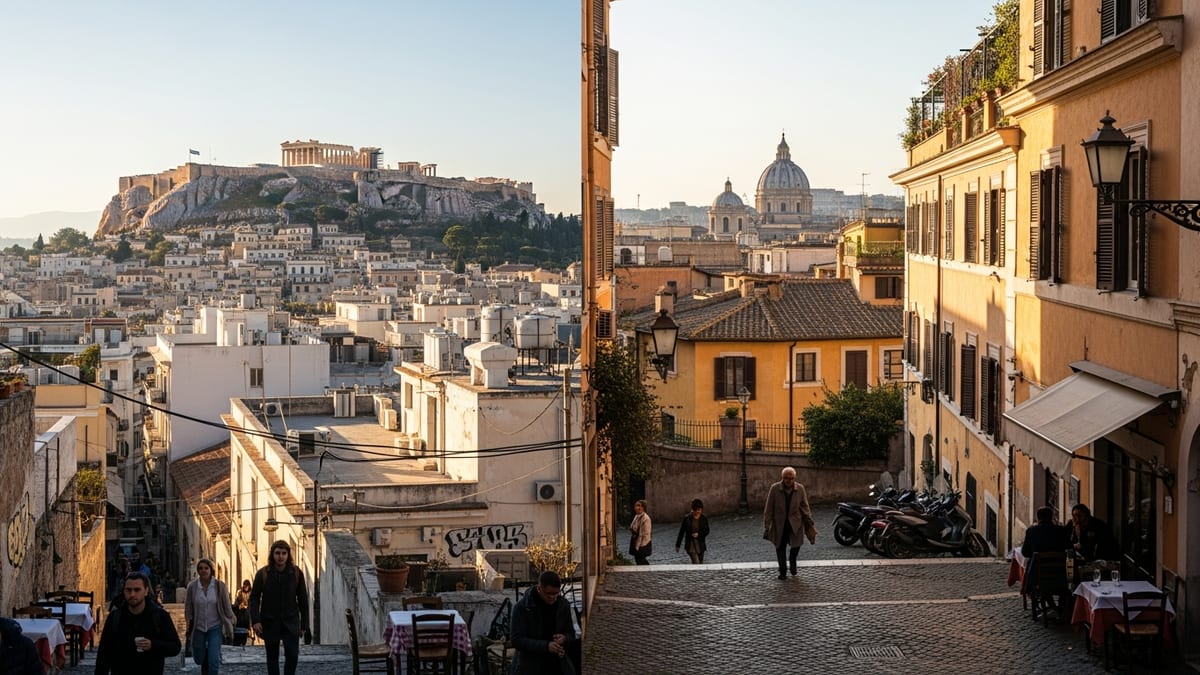
Ferragosto Turns Into Peak Week For Italy’s City Breaks
Ferragosto, the national holiday on 15 August, has traditionally marked the moment when Italians leave major cities for the coast or the mountains. Recent tourism data suggest that dynamic is shifting, with Rome and Florence increasingly absorbing both international visitors and a growing share of domestic travelers who opt to stay in or return to the country’s flagship art cities.
National industry associations have estimated that the Ferragosto week now generates tourism turnover approaching several billion euros in Italy, supported by roughly 15 million overnight stays across the country in the most recent season with available figures. Rome and Florence figure prominently in those totals as headline destinations for overseas travelers, who are less tied to the traditional August exodus pattern.
Government statistics and city tourism observatories for summer 2024 and 2025 already pointed to record or near‑record August numbers in Rome, with mid‑month arrivals up several percentage points year on year. Hotel data for the wider 2025 summer suggested that about eight in ten rooms were booked nationwide for August, and that art cities such as Rome and Florence were among the strongest performers, signaling very limited availability heading into the Ferragosto period.
Early booking trends for 2026, combined with this established growth trajectory, indicate that the mid‑August window is on track to remain one of the most crowded periods of the year in both cities, blurring the line between traditional “shoulder” periods and full peak season.
Rome Faces Record Arrivals And Strain On Urban Services
Rome has been one of the principal beneficiaries of Italy’s broader tourism upturn. City‑level reporting for recent summers described record‑breaking visitor numbers, with August singled out as a standout month. During the Ferragosto week in 2024, for example, municipal data cited in local coverage showed more than 600,000 arrivals and over 1.6 million overnight stays, already a clear sign that the capital was becoming a magnet at what was once considered a quieter moment in the urban calendar.
Subsequent analysis by trade groups following Ferragosto 2025 indicated that arrivals to Rome’s hotels increased by nearly 5 percent compared with the previous year, with overnight stays also rising. Observers linked the growth partly to the long lead‑up to Rome’s Jubilee celebrations, which has encouraged both religious and cultural tourism, and partly to the ongoing appeal of the city’s major attractions from the Colosseum to the Vatican Museums.
This sharp demand has visible consequences on the ground. Public reports from civic and tourism entities point to saturated public transport at peak times, particularly around central rail hubs and metro stops serving major sites. Travelers heading to and from Rome’s airports during the Ferragosto window face heavier traffic and more crowded shuttle services, while taxi queues and rideshare wait times can lengthen significantly during the evening peak when day‑trippers return from the coast.
At the same time, Rome continues to grapple with the familiar balancing act between economic benefit and resident quality of life. Regulations limiting behavior at key landmarks, such as rules around sitting on historic steps or accessing certain fountains, are one response to the pressures of mass visitation that become especially visible during the mid‑August rush.
Florence Manages Near‑Full Bookings In A Compact Historic Core
If Rome illustrates the scale of Italy’s Ferragosto surge, Florence shows its intensity. The Tuscan capital’s compact historic center channels large flows of visitors into a relatively small area, concentrating the impact around the Duomo, Uffizi, Ponte Vecchio and adjacent streets. Industry monitoring for recent summers has consistently placed Florence among the country’s most in‑demand art cities in August, often reporting occupancy rates in line with or above the national average.
Florence’s role as a hub for wider Tuscan itineraries adds to the pressure. Many travelers pair a city break with excursions to Chianti, Siena, San Gimignano or the Val d’Orcia, using Florence as a base during the Ferragosto week. Rail routes between Rome and Florence, and onward connections to coastal or hill‑town destinations, see heavy use in this period, contributing to crowded trains and busy station concourses.
Local business associations have noted that while some small, family‑run shops and restaurants still close around 15 August, the overall tourism infrastructure remains firmly open. Major museums, large hotel chains and many mid‑range accommodations operate on peak‑season schedules, with extended opening hours and timed‑entry systems. This allows Florence to accommodate surging demand but can also accentuate the perception of “overtourism” as visitor density climbs in narrow streets and in front of key monuments.
For travelers, the result is a city that feels fully active rather than shuttered, but also increasingly difficult to navigate spontaneously. Same‑day tickets for headline museums are rare in mid‑August, and last‑minute room searches tend to push visitors to peripheral neighborhoods or nearby towns.
Overtourism Concerns, Pricing Effects And Shifting Visitor Behavior
The Ferragosto travel boom in Rome and Florence feeds into a broader Italian and European debate about overtourism. Published analyses of recent summers describe Italy as a top performer in the Mediterranean in terms of occupancy and price competitiveness, outranking major rivals such as Spain and Greece during key holiday periods. While this strengthens the national tourism balance sheet, it also raises questions about the long‑term sustainability of continuous growth concentrated in a handful of cities.
Tools developed by Italian tourism research bodies to measure a destination’s capacity in economic, social and environmental terms suggest that only a minority of local operators currently report serious difficulty managing demand. Even so, warnings about potential local saturation around Ferragosto in major hubs have become more frequent, especially as new accommodation listings and day‑trip offers expand faster than many urban services can adapt.
The pricing impact is already evident. National tourism agencies reported that hotel turnover for the peak summer months has climbed into the tens of billions of euros, with August contributing a disproportionate share. Average daily rates in highly sought‑after historic centers spike in mid‑August, while budget travelers are pushed toward earlier bookings, alternative neighborhoods or smaller nearby cities that can be reached by regional train.
Visitor behavior is adjusting in response. Travel forums and advisory platforms show a growing number of international travelers planning itineraries that deliberately avoid Ferragosto in the major art cities, shifting Rome and Florence stays either to early August or to late in the month while spending the holiday itself in coastal or rural destinations. Others lean into the busy atmosphere, but rely more heavily on timed entries, advance restaurant reservations and early‑morning sightseeing to partially sidestep the rush.
What The Mid‑August Rush Means For Future City Travel
The current Ferragosto pattern suggests that Rome and Florence are moving toward a nearly year‑round tourism calendar, with fewer pronounced troughs even during periods once considered off‑peak. Analysts note that Italy’s enduring appeal, combined with long‑haul travelers’ preference for summer vacations, makes a significant decline in August demand unlikely in the short term.
Urban planners and tourism strategists are therefore focusing on mitigation rather than reduction. Ideas discussed in public forums and policy papers include further diversifying visitor flows to secondary neighborhoods, promoting lesser‑known museums and cultural sites, strengthening rail links to satellite towns, and refining visitor caps or reservation systems at the most fragile heritage locations during Ferragosto and other peak holidays.
For travelers, the likely outcome is a mid‑August period in which Rome and Florence remain highly attractive but require greater planning and flexibility. The Ferragosto travel boom now entrenched in recent data provides both cities with substantial economic gains, yet also underscores the need for careful management if the holiday is to remain an enjoyable highlight rather than an overwhelming ordeal for visitors and residents alike.