


More news on this day
Rail passengers across parts of Europe faced delays and cancellations after a fire next to busy railway tracks forced operators to halt services, disrupt timetables and divert trains while engineers assessed damage and safety risks.
Get the latest news straight to your inbox!
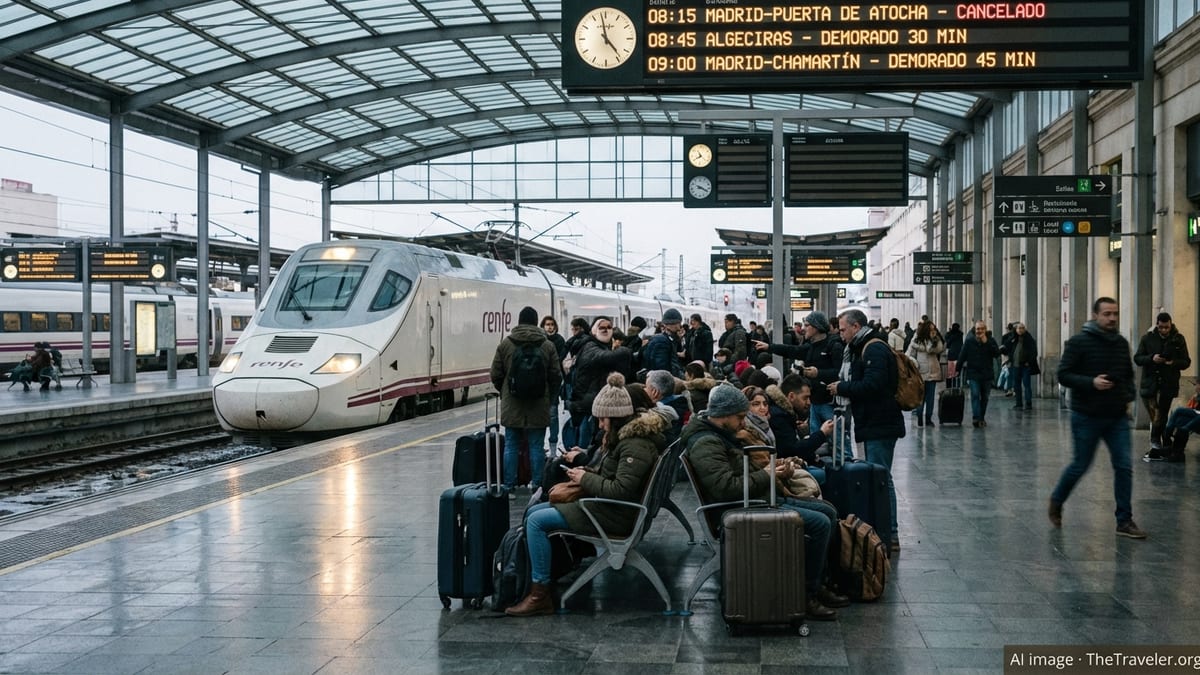
Services Halted After Trackside Blaze
Travel updates from rail operators in the United Kingdom and on the continent report that a significant fire close to railway infrastructure led to multiple line closures and cancellations. In several cases, services were temporarily suspended while specialist teams checked overhead power lines, signal cables and track structures for heat damage.
In Britain, recent disruption notices point to a pattern of fires near the railway causing local shutdowns around London and the South East, with services into major hubs such as London Euston and key commuter corridors temporarily stopped while safety inspections took place. Passengers were advised to expect fewer trains, longer journeys and replacement bus services on affected stretches.
On the European network, updates from international operators describe similar disruption after a fire near the tracks led to delays and cancellations, particularly where power and signalling equipment run alongside the line. In some cases, trains were held outside affected zones or diverted over alternative routes with limited capacity, adding to congestion on already busy summer services.
While the immediate blaze was brought under control, follow up checks on cabling, gantries and ballast have added hours to restoration work, extending disruption into the following morning for some routes.
Impact on Passengers and Summer Travel Plans
The timing of the incident during the busy summer holiday period amplified its impact. Leisure travellers heading to city breaks and families moving between airports, coastal resorts and major rail hubs encountered sudden cancellations as control centres removed trains from timetables to keep the affected section clear.
Reports from stations described departure boards filled with “cancelled” and “delayed” notices, with some long distance services terminating short of their destination. Passengers were advised to hold on board while new routings were planned or to disembark and wait for replacement buses, significantly lengthening overall travel times.
Travel blogs and social media posts indicate that many passengers with onward flights, hotel bookings and event tickets faced difficult decisions over whether to wait for rail services to resume or seek alternative transport. Some travellers reported opting for last minute car rentals or coach services rather than risk missing connections.
For international services, capacity constraints meant that alternative options were limited. Where operators were able to run a reduced timetable, priority was often given to trains already in service, leaving would-be passengers at origin stations with rebooked departures later in the day or on subsequent dates.
Safety Checks Keep Lines Closed Longer
Although the visible flames near the tracks were extinguished relatively quickly, the process of confirming that it was safe to run trains again took far longer. Publicly available information from infrastructure managers notes that intense heat can affect track alignment, damage sleepers and compromise overhead line equipment or buried power and signal cables.
Before trains can pass through, engineers typically carry out a detailed inspection, looking for warped rail, cracked components and signs that wiring has been burned or insulation compromised. Any damage requires immediate repairs, often involving replacement of sections of cable ducting or hardware.
In busy rail corridors, this work must be carefully coordinated to avoid additional risks to staff working trackside. Trains may be allowed through at very low speed on adjacent lines while repairs continue, but in more severe cases the entire area remains closed until teams are satisfied that full line speed can be safely restored.
These procedures, while extending disruption, are designed to prevent more serious incidents such as signal failures, electrical faults or derailments that could occur if damaged infrastructure were put back into use too soon.
Growing Concerns Over Heat, Wildfire and Rail Resilience
The latest disruption has renewed focus on the vulnerability of rail networks to trackside fires, particularly during periods of hot, dry weather. Previous analysis by railway regulators and transport agencies has highlighted that high temperatures can dry vegetation along embankments and cuttings, increasing the risk of small fires spreading quickly alongside the line.
In recent years, isolated trackside blazes and larger wildfires have both led to route closures, damaged equipment and significant knock-on delays. Studies on climate resilience in the rail sector note that hotter summers are likely to increase the frequency of such incidents, putting additional pressure on ageing infrastructure and maintenance budgets.
Operators have responded with seasonal vegetation management, additional patrols during heatwaves and campaigns reminding the public of the risks posed by discarded cigarettes or unmanaged barbecues near railway property. However, the latest incident suggests that even with these measures, the combination of dense infrastructure, overhead power and lineside vegetation continues to pose a challenge.
For travellers, this translates into a higher likelihood of last-minute disruption during peak holiday months, especially on routes running through areas prone to grass and scrub fires.
What Rail Passengers Should Do Now
With services gradually resuming but timetables still unsettled after the trackside fire, rail passengers are being urged through public travel updates to check the status of their journey repeatedly on the day of travel. Same day alterations, short-notice cancellations and platform changes remain likely as operators work trains and crews back into position.
Travel advisers recommend allowing extra time for connections, particularly for airport transfers or cruises, and considering earlier departures where possible. For international trips, guidance on rebooking and compensation is typically published on operator websites and in station notices, and may include options to travel on a different date or receive partial refunds where journeys are significantly delayed.
Frequent travellers suggest carrying basic contingencies such as refreshments, chargers and a flexible itinerary, especially when travelling through known bottlenecks or during hot, dry spells when infrastructure is under greater strain. Booking accommodation and key activities with flexible change or cancellation policies can also help mitigate the financial impact of sudden rail disruption.
As rail networks continue to adapt to changing weather patterns and growing passenger demand, incidents such as the latest fire next to the tracks underline the importance for travellers of building in time, flexibility and up to date information whenever they rely on the train.