


More news on this day
Travelers moving between the United Arab Emirates and Saudi Arabia are facing fresh disruption as Saudia, low cost subsidiary flyadeal and Dubai based carrier flydubai suspend or delay dozens of flights across key Middle Eastern hubs, affecting journeys through Riyadh, Jeddah, Dubai and Abu Dhabi.
Get the latest news straight to your inbox!
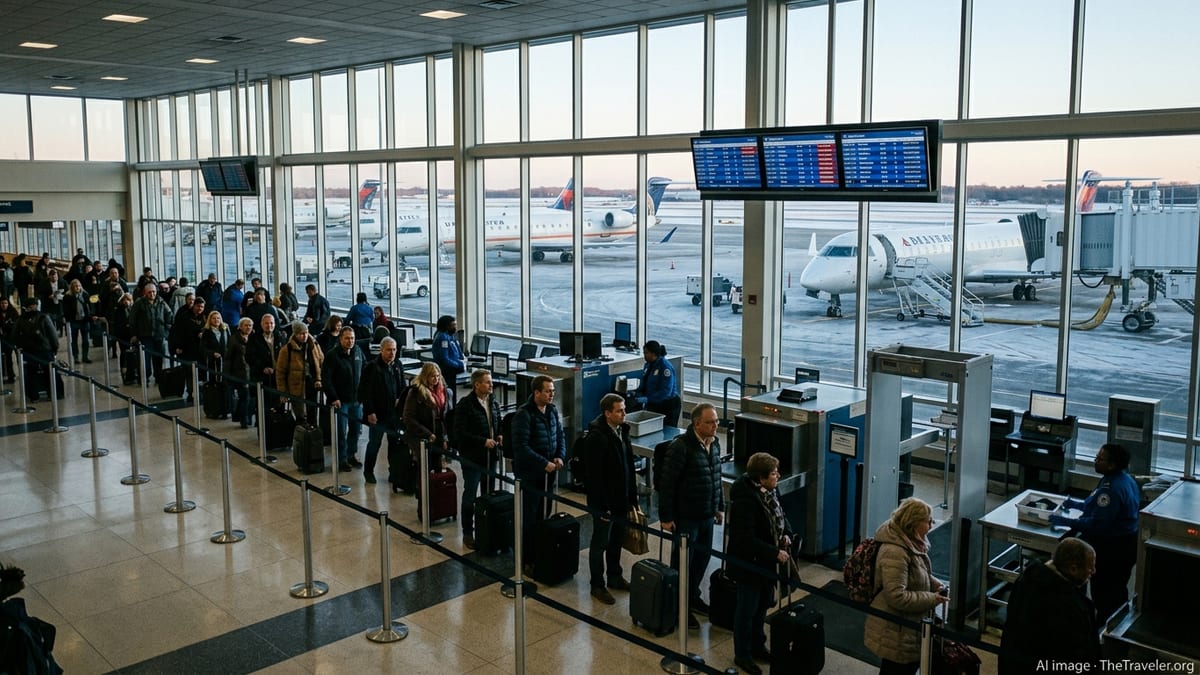
Network Disruptions Across UAE and Saudi Hubs
According to published coverage and live schedule data, more than 50 services operated by Saudia, flyadeal and flydubai have been suspended or significantly delayed across major routes linking Saudi Arabia and the United Arab Emirates. The latest wave of disruption is hitting at the height of the busy summer season, when demand for leisure trips, business travel and religious journeys is typically at its strongest.
Flight tracking platforms show a pattern of cancellations and rolling delays on popular city pairs such as Riyadh to Dubai, Jeddah to Dubai and services connecting secondary Saudi cities with UAE gateways. Publicly available airline notices attribute many of the changes to regional airspace constraints and broader operational pressures that have already been weighing on carriers across the Middle East in recent months.
The impact is most visible at Riyadh’s King Khalid International Airport, Jeddah’s King Abdulaziz International Airport and Dubai International Airport, where altered departure boards have forced passengers to rework carefully planned itineraries, often at short notice. Reports from travelers indicate that some services have been pushed back by several hours, while others have been removed from schedules entirely.
Industry analysts note that while Middle Eastern airlines are experienced in managing geopolitical and airspace volatility, the current pattern of suspensions and delays is unusually concentrated on high frequency regional routes that normally underpin connectivity between Gulf hubs.
Saudia and flyadeal Scale Back High Demand Routes
Saudia and its low cost arm flyadeal have been central to the disruption, with multiple services cut or retimed on short haul routes linking Saudi Arabia to the UAE and nearby markets. Saudia’s network traditionally relies on dense regional connectivity feeding into its Jeddah and Riyadh hubs, and any reduction in frequencies on these sectors can quickly cascade through the wider schedule.
Publicly available information shows that Saudia has already been navigating a challenging operating environment this year, juggling high seasonal demand with evolving airspace restrictions across parts of the Middle East. The latest suspensions, which include a number of UAE bound services, appear to extend that pattern, forcing the airline to concentrate capacity on a reduced set of routes and time windows.
Flyadeal, which has expanded aggressively on the Riyadh to Dubai corridor in recent years, has also trimmed flights as part of the current adjustment. Industry data and recent statements highlight that the low cost carrier has been particularly exposed to any constraints on short haul regional flying, as its business model is built around rapid aircraft turnarounds and tight network planning.
Travel agents in both countries report that passengers holding tickets on Saudia and flyadeal have in some cases been offered alternative routings or later departure dates, although availability on unaffected flights is increasingly limited as the busy summer period progresses.
Flydubai Delays Underscore Strain on UAE Connectivity
Dubai based flydubai, a key provider of point to point connectivity across the Middle East, is also reported to have suspended or delayed a series of services affecting Saudi destinations. The carrier, which normally operates dense schedules between Dubai International Airport and cities such as Riyadh, Jeddah, Dammam and Medina, has adjusted frequencies as it responds to the same operational headwinds affecting its Saudi counterparts.
Recent coverage on aviation and travel platforms indicates that flydubai’s network has been under pressure from a combination of airspace restrictions, aircraft and crew allocation challenges and knock on delays from earlier disruptions. While many flights are still operating, the latest adjustments have created uncertainty for travelers who rely on the airline’s extensive regional network for onward connections.
The situation has been complicated further by overlapping changes among other international carriers serving the Gulf, some of which have already reduced or suspended their own services to Dubai and Saudi Arabia in recent weeks. This has reduced the options available to passengers seeking to rebook, particularly those who must travel on specific dates for business or religious purposes.
Aviation commentators suggest that the strain on connectivity is particularly acute for travelers using Dubai as a transfer point between Asia, Europe and Africa, since any disruption to short haul feeder flights can jeopardize long haul connections booked on separate tickets.
Thousands of Passengers Scramble to Rebook Travel Plans
The cumulative effect of at least 52 suspended flights, combined with rolling delays on others, has left thousands of passengers reassessing their plans across the region. Social media posts and traveler forums describe long queues at airline service desks in Dubai, Riyadh and Jeddah, as customers seek alternative routings or refunds after finding their original flights removed from the schedule.
Many affected travelers appear to be leisure passengers and families heading to or from the Gulf for summer holidays, while others are pilgrims and religious visitors using Saudi hubs as gateways. Business travelers have also been caught up in the disruption, with some reporting missed meetings and events due to last minute timetable changes.
Travel advisors are urging passengers to monitor flight status closely on airline websites and apps, as well as through independent tracking services, before setting out for the airport. Given the fluid situation, same day schedule changes remain possible, and some services that appear to be operating can still experience lengthy departure delays.
Consumer advocates emphasize that passengers whose flights are cancelled are generally entitled to some form of assistance, which may include rebooking, vouchers or refunds, depending on the fare rules and the jurisdiction governing the ticket. However, the complexity of cross border rules in the Gulf region means that travelers may need to review conditions carefully or seek professional advice.
What Travelers Should Do Next
With the disruption affecting multiple carriers and hubs, travel specialists recommend that passengers build additional flexibility into their plans where possible. This can include allowing longer connection times, avoiding tight back to back meetings on arrival days and considering alternative gateways in the region that may be less affected by schedule changes.
For those yet to book, publicly available information suggests that checking real time schedules and recent operating history on key routes can provide a clearer picture of which flights are running most reliably. Direct services and flights operated by a single carrier from origin to final destination may offer a smoother experience than multi ticket itineraries involving separate airlines.
Industry observers note that airlines across the Middle East have shown an ability to gradually restore capacity after previous periods of disruption. However, with ongoing airspace constraints and strong seasonal demand, the current situation around the UAE and Saudi Arabia may take time to stabilize fully, keeping pressure on flight operations through the coming weeks.
Until schedules settle, travelers using Saudia, flyadeal, flydubai and other regional carriers are being advised to remain prepared for late changes, stay closely informed through official channels and keep contingency plans in place for critical journeys.