


More news on this day
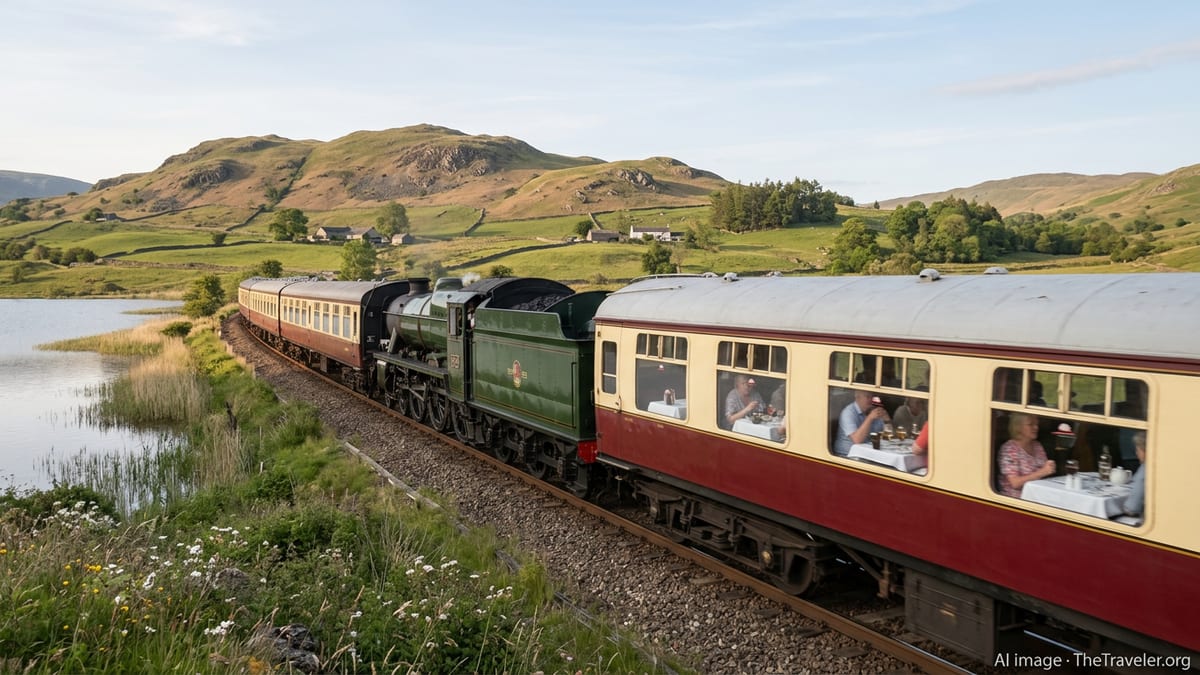
Rising wildfire danger and tinder-dry conditions are forcing several United Kingdom heritage railways to sideline their hallmark steam locomotives in favor of diesel traction, reshaping summer operations on some of the country’s most popular tourist lines.
Get the latest news straight to your inbox!
Heat, drought and an old risk in a new climate
Recent hot, dry spells across parts of the United Kingdom have pushed wildfire risk to levels that heritage railways increasingly treat as operationally critical. Embers from coal-fired steam locomotives can ignite lineside vegetation, and reports indicate that the combination of parched embankments and gusty winds can allow even small fires to spread rapidly.
Historic incidents underline the concern. Published coverage of moorland fires in northern England and Wales in recent years describes steam services being halted or curtailed when flames approached railway property or when smoke and firefighting activity made continued operation impractical. In several cases, railways suspended or restricted steam specifically to avoid placing additional strain on local fire services already stretched by wildfires.
Network-wide guidance for main line steam has also put the issue in sharper focus. Information made publicly available by infrastructure managers characterises lineside fires as the primary operational risk from steam on modern track, especially when vegetation is dry. Heritage operators, often surrounded by countryside and moorland, face similar hazards but with fewer alternative routes and more limited resources.
Steam sidelined as heritage lines pivot to diesel
Against this backdrop, a number of heritage railways have adjusted their timetables or temporarily withdrawn steam traction on the highest-risk days. Public journey updates for some lines in England and Wales in late July and early August highlight services switched at short notice from steam to heritage diesel to “minimise the risk of lineside fires” and to comply with local fire safety expectations.
On one preserved route in southern England, service notices show that all trains on selected hot-weather days are being hauled by heritage diesel locomotives, even during school holiday periods traditionally marketed around steam. Other lines have adopted mixed operation, advertising steam on mornings or after rain, with diesel covering afternoon services when temperatures and wind are expected to peak.
Reports shared by passengers and enthusiasts indicate that the same pattern is appearing on main line steam charters. Several recent excursions promoted as steam-hauled over scenic routes have been amended to run partially or wholly behind diesel locomotives when fire risk indices climb, while some itineraries have been curtailed short of upland sections considered especially vulnerable.
For operators who brand themselves around steam, these short-notice changes are a difficult balance. Publicly available statements from railways emphasise disappointment at having to substitute locomotives but stress that preventing lineside fires and protecting surrounding landscapes must take priority.
New fire trains, patrols and hot-weather rulebooks
Not all heritage lines are withdrawing steam entirely. Others are responding by strengthening fire mitigation rather than suspending traditional traction. Recent service updates from narrow-gauge routes in Wales, for example, describe the introduction of dedicated fire protection trains following steam services along exposed sections of line. These trains, typically formed of a small locomotive and water tank wagons, patrol immediately behind the last passenger carriage to spot and tackle any embers that may have ignited grass or heather.
Some railways have also revised their hot-weather operating procedures. According to industry association briefings, measures now being deployed include lower permitted speeds for steam in high-risk areas, mandatory use of spark arrestors, additional crew training in wildfire awareness, and closer liaison with local landowners over vegetation management. Lines are also investing in more extensive clearance of lineside scrub and in water points or hydrants positioned for firefighting access.
International experience is increasingly feeding into these plans. The Heritage Railway Association has highlighted advice from an Australian narrow-gauge line that runs steam through high fire risk zones, with practices such as strict seasonal operating windows, daily risk assessments and rapid-response patrols now being examined by UK operators seeking to keep steam in service without compromising safety.
Emergency planning bodies are encouraging heritage sites more broadly to embed wildfire scenarios into their contingency work. Guidance published this year on emergency and fire planning for historic places notes the growing role of drought, heatwaves and deliberate ignition in shaping risk, and suggests that heritage attractions with large landholdings or rural settings consider specialist wildfire strategies alongside more traditional fire precautions.
Visitor expectations meet a changing reality
The operational changes are testing expectations among visitors who associate heritage railways with smoke, steam and the sound of a working exhaust. Online discussion by enthusiasts in recent weeks reflects frustration at diesel substitutions on day trips that were booked around specific locomotives, especially when alterations are confirmed only shortly before departure because of rapidly shifting fire-risk forecasts.
At the same time, many contributors acknowledge that steam locomotives have long been linked to small lineside fires, even in milder summers. Public commentary suggests that as the UK climate trends toward more frequent hot, dry spells, periods when steam traction is feasible on some routes may narrow, particularly on upland and moorland lines or where access for fire crews is limited.
Some railways are responding with clearer upfront messaging. Timetables and promotional material increasingly flag that advertised steam services may be “subject to fire risk” and could be substituted by diesel at short notice. This approach aims to reduce disappointment while still allowing operators to market flagship locomotives when conditions permit.
Industry advocates point out that heritage railways remain significant contributors to local economies and tourism, and argue that maintaining flexible, resilient operations in a changing climate is essential to preserving collections and skills. That may mean more investment in diesel fleets, alternative-fuel steam conversions, or hybrid timetables that blend traditional traction with more fire-resilient options.
Balancing preservation, safety and the summer season
The current hot spell has effectively turned parts of the UK’s summer heritage railway calendar into a live case study in climate adaptation. Lines in regions classed at higher wildfire risk are likely to see more frequent pauses or restrictions on steam in coming years, while others in cooler, wetter areas may be able to advertise more dependable traditional operations.
Sector-wide guidance from trade bodies indicates that the next step is to develop shared frameworks for fire-risk assessment, drawing on meteorological data, fuel-moisture readings and local experience. With UK government initiatives now placing greater emphasis on wildfire resilience and specialist response teams, heritage operators are seeking to align their practices with wider regional planning.
For travelers, the evolving picture means planning with a degree of flexibility. Those for whom the experience of riding behind steam is essential may increasingly look to shoulder seasons or cooler days, while visitors focused on scenery, historic stations and family activities may find diesel operation makes little difference to the appeal.
What is changing most clearly is the assumption that steam can operate wherever and whenever demand exists. In a warming climate, heritage railways are discovering that preserving the past now depends on reading the fire risk of the present, and sometimes leaving their most evocative machines cold in the shed until conditions improve.