


More news on this day
Emergency crews converged on the Upatoi area overnight after reports of a possible train derailment, prompting rail inspections, localized road closures and heightened concern among nearby residents.
Get the latest news straight to your inbox!
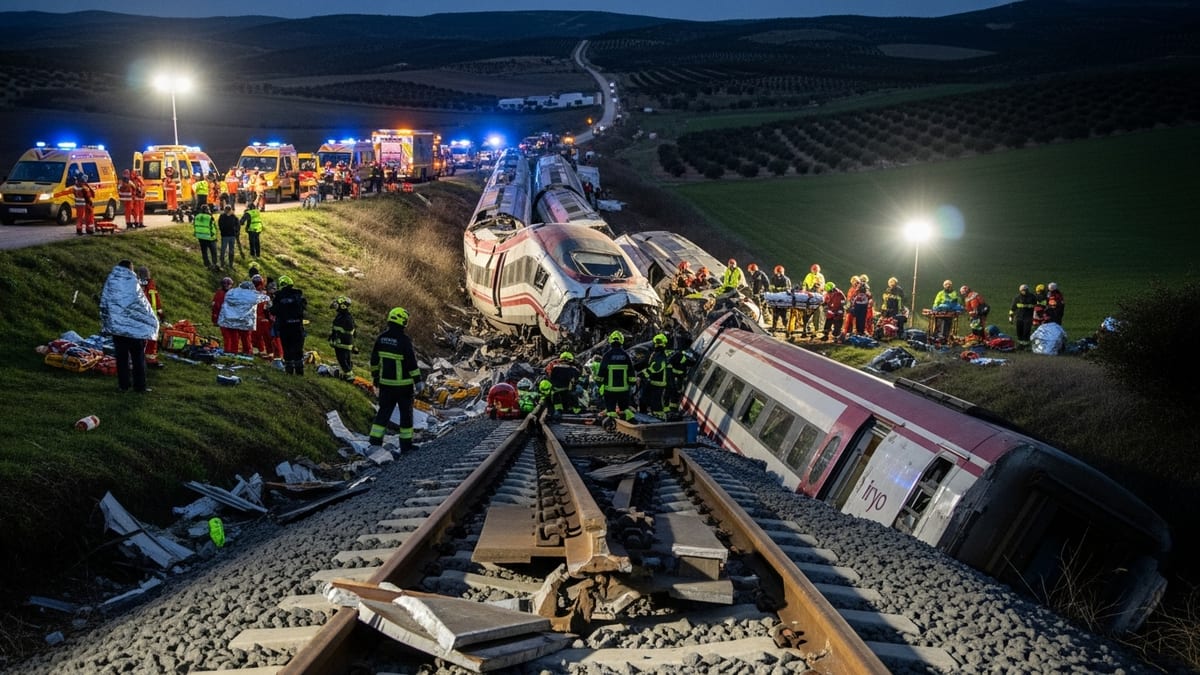
Overnight Call Brings First Responders to Tracks Near Upatoi
Initial dispatch reports indicated that law enforcement, fire services and medical units were sent to the rail corridor near Upatoi late in the night following a report of train cars potentially off the tracks. Publicly available scanner summaries and early local coverage describe multiple units staging near a rural crossing while crews attempted to pinpoint the exact location and extent of the incident.
As responders arrived, they began checking both the main line and adjacent sidings, using vehicle spotlights and handheld lighting to look for signs of damaged rail, displaced cars or debris near the right of way. The activity drew attention from residents who reported emergency vehicles moving through the community in the early morning hours and temporary traffic restrictions near selected crossings.
Early information available as of Saturday morning does not indicate widespread damage or large-scale evacuations. Rail activity in the immediate vicinity was reportedly slowed while checks were completed, but there were no immediate signs of significant hazardous material releases based on the descriptions contained in initial public reporting.
Extent of Damage and Any Injuries Still Being Clarified
As of the latest publicly accessible updates, specific details about the number of railcars involved, the type of train and any cargo remain limited. Reports indicate that responders focused on confirming whether any cars had fully left the rails or whether the situation involved a minor equipment issue or precautionary stop triggered by a sensor or inspection concern.
There have been no widely circulated reports of serious injuries connected to the Upatoi response. Available information suggests that medical units stood by while rail and fire personnel surveyed the scene, a standard practice during rail incidents that may involve heavy equipment, fuel or other potential hazards.
Once it became clearer that there was no large fire, visible plume or immediate life-threatening situation, some units were reportedly released from the scene. Rail inspectors and company recovery teams typically continue detailed assessments long after the most visible emergency phase has passed, and that process was expected to continue into the morning.
Upatoi’s Rail Link and Recent Derailments Elsewhere
Upatoi sits along a freight corridor that carries a mix of regional and long-haul traffic, connecting industrial hubs with ports and distribution centers across the Southeast. Communities positioned along these lines often see a steady flow of mixed freight that can include consumer goods, agricultural products, fuels and other commodities, making any report of a derailment a matter of immediate public interest.
The overnight response near Upatoi comes amid a broader national focus on freight rail safety following several prominent derailments in recent years. Published coverage from other regions in June describes incidents ranging from severe-storm-related freight train derailments in the Midwest to collisions between trains and highway vehicles that led to injuries and temporary highway closures. These events have intensified discussions about track maintenance, train length and the movement of hazardous materials through small communities.
While the circumstances in Upatoi appear more limited based on the current descriptions, residents are watching closely for confirmation about what happened on their local line. For many communities, even a minor rail incident serves as a reminder of the volume of freight moving quietly through rural areas overnight and the importance of preparedness among local emergency services.
Standard Rail Incident Protocols Shape Local Response
Publicly available emergency-management guidance indicates that first responders follow a consistent set of procedures when a potential derailment is reported. Those steps typically begin with securing access points to the tracks, establishing a safe perimeter and identifying the train operator so that information about the consist, cargo and any special hazards can be verified.
In events that do involve hazardous materials, guidelines call for rapid assessment of wind direction, potential plume spread and nearby sensitive sites such as schools, health facilities or waterways. Even when early information suggests that hazardous cargo is not involved, responders in communities like Upatoi often maintain a cautious stance until full confirmation is received from rail representatives and on-site inspections.
The overnight Upatoi response appears to have followed these general patterns, with multiple agencies converging on the reported location, staging resources and then scaling back as the perceived risk level decreased. Such responses can seem extensive from a resident’s perspective, but emergency-planning documents emphasize that it is preferable to deploy more resources initially and then release them once a clearer picture emerges.
Community Concerns and Next Steps
With trains passing close to homes, farms and small businesses, residents in the Upatoi area are likely to seek further clarity about the incident and any contributing factors. Rail incident records maintained by federal regulators and railroads are routinely updated after derailments and track defects, and those public databases, together with future local reporting, are expected to provide a more precise account of what occurred overnight.
Community members commonly look for assurances about track inspection schedules, train speeds through populated areas and communication protocols in the event of a more serious derailment. Publicly available information from past rail events shows that follow-up steps can include infrastructure repairs, operational changes, new signage or additional training exercises between rail companies and local responders.
In Upatoi, the immediate focus for residents on Saturday will be whether rail traffic resumes its usual pattern and whether any lingering disruptions remain along nearby roads. As more information becomes available in official summaries and regional news coverage, a clearer picture is expected to emerge about the scale of the overnight incident and what it may mean for rail operations in this part of Georgia.