


More news on this day
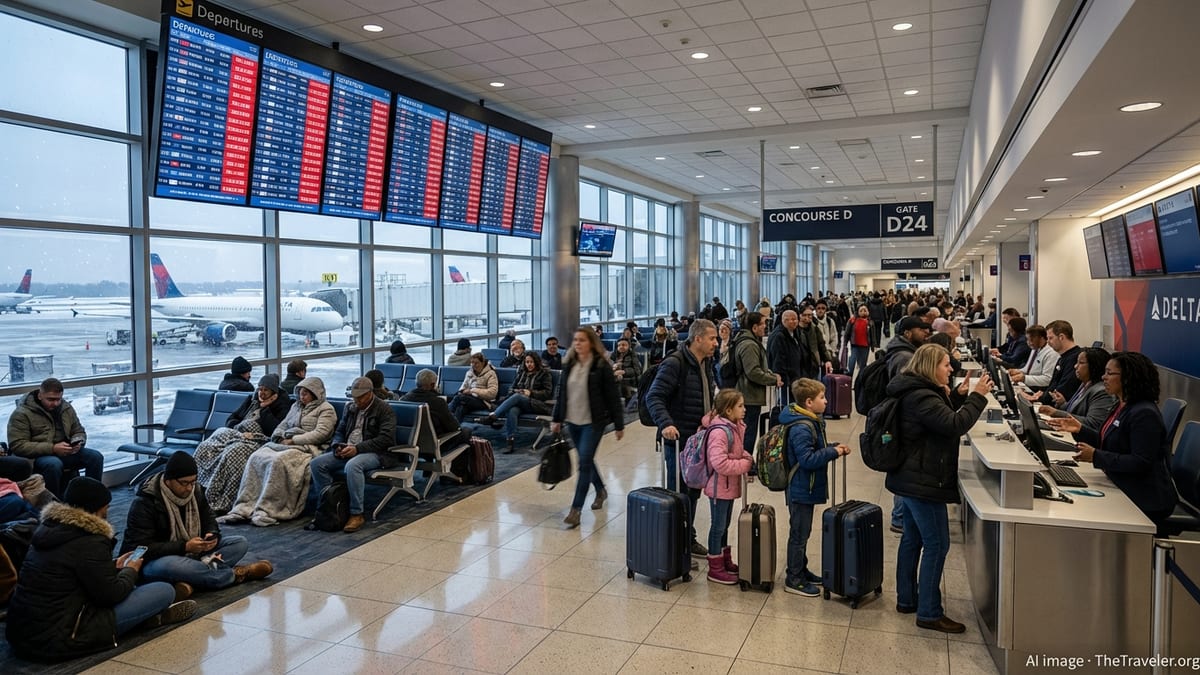
Powerful thunderstorms sweeping across Georgia have triggered flash flood warnings and a fresh wave of airport delays, disrupting summer travel plans for passengers moving through the state’s busiest hubs.
Get the latest news straight to your inbox!
Storm System Brings Heavy Rain and Flash Flood Alerts
A slow moving storm system is producing repeated rounds of heavy rain across portions of Georgia, leading to saturated ground, rising creeks and localized flash flooding in urban areas. National forecasts point to clusters of strong thunderstorms capable of intense downpours, with rainfall rates high enough to quickly overwhelm drainage in low lying neighborhoods and near major highways.
Flash flood warnings and advisories have been issued for parts of north and central Georgia as storms train over the same locations. Publicly available radar imagery shows bands of storms developing west of Atlanta and drifting east, with the heaviest rain focused along key interstates and population centers. The overall pattern increases the risk of rapidly changing conditions on roads connecting smaller cities to Atlanta and other regional airports.
Meteorological discussions from federal forecast centers highlight sufficient moisture and instability to support additional storms into the evening and overnight hours. While severe wind or hail remains a secondary concern, the primary hazard for travelers on the ground is sudden flooding of underpasses, low water crossings and poorly drained parking areas around transportation hubs.
Delays Mount at Hartsfield Jackson and Regional Airports
The stormy conditions are spilling into the air travel system, with delays building at Hartsfield Jackson Atlanta International Airport and select regional airports in the state. Flight tracking data and airline status boards show a growing number of departures and arrivals pushed back as thunderstorms move near approach paths and departure corridors.
Operations at busy hubs are especially sensitive to lightning and intense rain, which can halt ground handling and slow the flow of aircraft waiting for takeoff slots. According to recent aviation performance statistics, weather remains a leading cause of flight delays nationwide, and large connecting hubs in the Southeast are particularly vulnerable when storms form repeatedly along the same routes.
Regional airports in northern and western Georgia are experiencing intermittent impacts as well, including longer taxi times, temporary ramp closures and occasional diversions when thunderstorms pass directly overhead. The combination of localized flooding near airport access roads and in terminal parking lots is adding time to the journey for travelers attempting to reach their flights.
Impact on Drivers, Transit Links and Travel Times
On the ground, flash flooding is complicating the usual drive times to and from Georgia airports. Transportation agencies are reporting lane closures and slow traffic where water is ponding on interstates and secondary roads, particularly near low lying stretches of highway and at major interchanges leading to Atlanta.
Heavier bursts of rain are also affecting visibility for ride share drivers, airport shuttles and regional bus services. Publicly available traffic maps show corridors of reduced speeds spreading outward from storm cores, which in turn can cause passengers to misjudge how long it will take to reach the terminal. In some cases, travelers who left home with what seemed like a comfortable buffer are arriving closer to departure time than planned.
Rail and local transit connections are not immune, with reports of minor water issues around stations and park and ride facilities in flood prone areas. While most services remain operational, travelers relying on multimodal connections between city centers and airports are being urged, through official forecast discussions and transportation alerts, to build in extra transfer time and monitor local conditions more frequently than usual.
What Air Travelers Should Expect in the Coming Hours
Forecast discussions suggest that storms and pockets of heavy rain could persist over parts of Georgia through this evening, with the potential for renewed development as daytime heating interacts with lingering moisture. That pattern means air travelers should be prepared for rolling delays rather than a single, clearly defined disruption window.
Published guidance from aviation and weather agencies indicates that once thunderstorms disrupt departure flows at a major hub like Atlanta, delays can ripple outward across connecting routes for several hours. Even if conditions briefly improve, residual congestion on taxiways and in the broader air traffic network can keep flights behind schedule well into the night.
Passengers with tight connections through Georgia may face gate changes or rebookings as airlines adjust schedules to match evolving conditions. Those flying later in the day may still experience impacts if aircraft scheduled to operate their flights are arriving late from other storm affected airports in the region.
Practical Advice for Travelers Moving Through Georgia
With flash flood warnings in effect and storms continuing, travelers headed to or through Georgia are being encouraged by publicly available advisories to take a more cautious approach to timing. Leaving earlier for the airport, especially from outlying suburbs and rural areas, can help offset slower traffic and detours around flooded stretches of road.
Experts who study weather related flight disruptions note that delays often compound as the day progresses, particularly when storms peak during afternoon and evening travel banks. For this reason, passengers holding flexible tickets may find that earlier departures are less vulnerable to the most severe slowdowns, although no flight is entirely insulated from rapidly changing storm tracks.
Travelers already at the airport are advised to remain close to their gate and keep a close eye on departure boards, as schedules can change quickly when thunderstorms develop near airfields. Carrying essential items, including medication and chargers, in a personal item rather than checked baggage can lessen the inconvenience if connections are missed or overnight stays become necessary.
For visitors currently in Georgia or planning to arrive in the state later this week, monitoring local forecasts and airport status tools will remain important. As the atmosphere gradually stabilizes and flash flood alerts are lifted, air operations are expected to recover, but residual delays and scattered disruptions may linger after the last storms have moved away.