


More news on this day
Passengers across the United States faced fresh disruption as flight tracking data on June 30 indicated at least 26 cancellations and 467 delays affecting services in Illinois, Florida, New York and California, with major carriers including American Airlines, United, Delta, Envoy Air, Jazz, Air Canada and Air France contending with widespread operational challenges.
Get the latest news straight to your inbox!
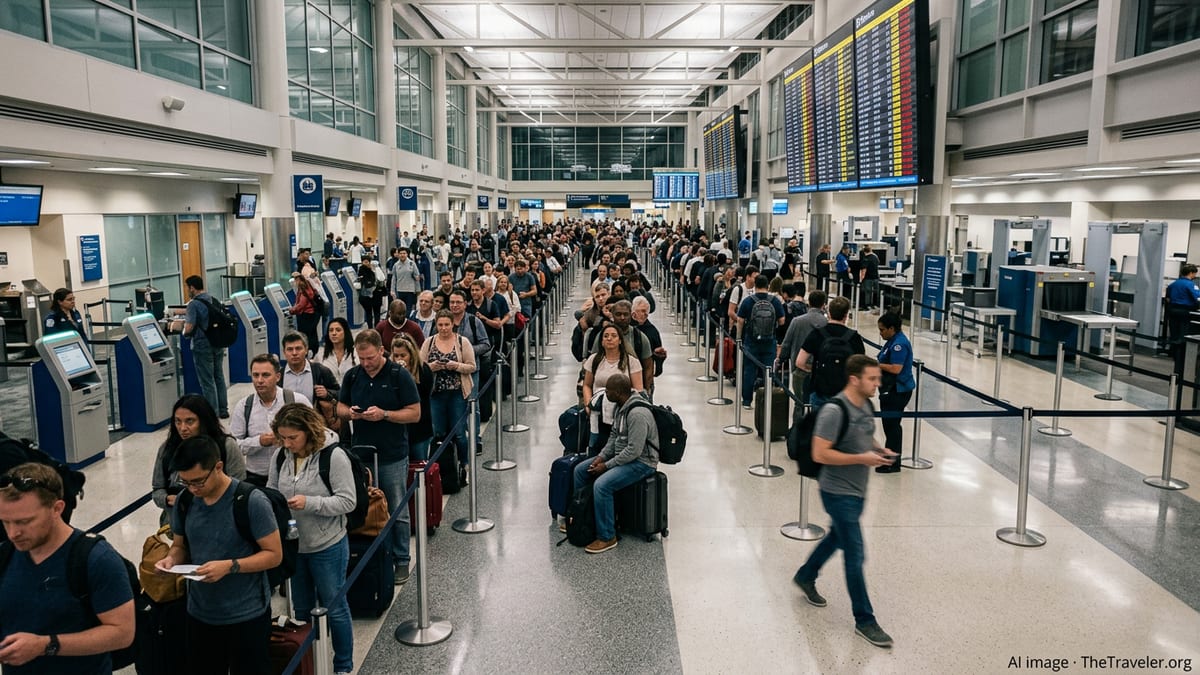
Patchy Operations Across Major U.S. Hubs
Publicly available flight tracking boards showed a scattered pattern of disruption at some of the country’s busiest airports serving Illinois, Florida, New York and California, with cancellations and late departures concentrated around large connecting hubs. The figures, while modest compared with severe storm days or nationwide system failures, were enough to ripple across airline networks and disrupt travel plans for scores of passengers.
In Illinois, the focus remained on Chicago’s dual-airport system, a critical link in the national air network. Data from airport status dashboards and independent trackers pointed to a mix of late departures and arrivals, reinforcing the vulnerability of hub operations when even a small number of flights fall behind schedule. Similar patterns appeared in Florida’s high‑traffic tourism gateways, as well as in New York City and the Los Angeles and San Francisco areas, where dense schedules leave little margin to absorb disruption.
Reports from aviation data providers indicated that delays were driven by a combination of routine congestion, tight aircraft rotations and knock‑on effects from earlier late flights rather than one single weather or technology event. Even without a headline‑grabbing cause, the cumulative impact of 26 cancellations and hundreds of late departures in one day translated into missed connections, rebookings and overnight stays for affected travelers.
Major Carriers Struggle To Keep Schedules Intact
The disruption cut across several of North America’s largest carriers. American Airlines, United Airlines and Delta Air Lines all showed clusters of affected flights in and out of the four highlighted states, according to flight status boards and historical performance data published by industry trackers. For these network carriers, issues in one or two hubs often echo throughout the system as aircraft and crews arrive late to subsequent legs.
Regional operators also featured in the day’s tally. Envoy Air, which flies many services under the American Airlines banner, and Jazz Aviation, operating as Air Canada Express on behalf of Air Canada, appeared in multiple delayed and canceled listings. Publicly available information on codeshare arrangements shows that individual disruptions can be reflected across several airline brands at once when a single regional flight is marketed by multiple partners.
International partners were not spared. Air Canada and Air France, both of which operate or codeshare on transborder and transatlantic services linking the United States with Canada and Europe, showed affected flights in tracking databases. For long‑haul carriers, a cancellation or significant delay departing the United States can lead to aircraft and crew being out of position for next‑day departures from their home bases, extending the impact beyond a single calendar day.
Why a Small Number of Cancellations Still Matters
On a typical summer day, U.S. airports handle thousands of departures, and federal statistics show that only a small percentage are canceled outright. Historical reports from transportation authorities indicate that cancellations can account for around 2 percent of scheduled flights in some periods, with a larger share experiencing some level of delay. Against that backdrop, 26 cancellations may appear minor, but each axed flight can affect hundreds of passengers, particularly on larger aircraft or heavily booked routes.
The 467 recorded delays carried their own consequences. Aviation performance data highlights that late‑arriving aircraft are one of the most common drivers of subsequent delays, as crews and equipment arrive behind schedule for their next segment. That pattern appeared to be reflected in the latest disruptions, where a concentration of late flights in certain hubs increased congestion on taxiways and in terminal operations during already busy periods.
Once delays accumulate, airlines must juggle aircraft assignments, crew duty limits and gate availability. Publicly accessible airport operations logs and historical performance summaries show that even modest schedule stress can quickly spill over into missed connections and passenger misalignment across a network, particularly for connecting passengers who rely on tightly timed itineraries through hubs in Chicago, New York, Miami, Orlando, Los Angeles or San Francisco.
Impact on Passengers and Available Remedies
For passengers, the immediate effect of the day’s disruptions was measured in longer waits at gates, missed onward connections and rebooked itineraries. Those traveling through multiple hubs were especially exposed, as a delay on an initial leg could invalidate carefully timed connections on later flights, including transatlantic and transborder services operated by partners such as Air France and Air Canada.
Consumer rights groups and air travel assistance platforms point out that options available to affected travelers depend on the cause of the disruption and the operating airline’s policies. Published guidance from advocacy organizations notes that passengers on canceled flights are generally entitled to rebooking or refunds from the airline, while compensation for delays may vary based on jurisdiction, carrier and whether the disruption is deemed within the airline’s control.
Advisories from airport and industry sources consistently recommend that passengers monitor flight status closely on days with elevated disruption, making use of airline apps and departure boards, and allow extra time for connections in busy hubs. In situations where multiple airlines are simultaneously battling operational challenges, securing alternative itineraries can become more difficult as remaining seats fill quickly.
Ongoing Vulnerability of a Complex System
The latest figures underscored the complexity of modern aviation networks, where a relatively small number of cancellations and several hundred delays concentrated in a handful of key states can affect travelers across the country and beyond. The interconnected nature of U.S. hubs in Illinois, Florida, New York and California means that setbacks in one region can have downstream effects on flights linking smaller cities and international destinations.
Public data from air traffic and performance trackers highlights recurring themes in such events: tight schedules, high aircraft utilization and congested airspace increase sensitivity to even routine disruptions. While the June 30 numbers did not reach the scale of major weather‑driven meltdowns or system‑wide technology failures seen in past years, the experience for individual passengers on canceled or heavily delayed flights remained disruptive and costly.
Industry observers note that as the busy summer travel period progresses, the ability of airlines and airports to absorb operational shocks will remain under scrutiny. For travelers, the latest episode serves as another reminder that even on days without headline‑making storms or outages, the combination of cancellations and widespread delays can quickly unravel carefully planned journeys.