


More news on this day
More than 20 flights operated by major European and transatlantic carriers, including Lufthansa, Delta Air Lines, KLM, Finnair, Swiss and Air France, were cancelled across Germany on Saturday, disrupting traffic through Frankfurt, Munich, Berlin and Hamburg and affecting connections to Amsterdam, Paris, Zurich, Helsinki, Copenhagen, Atlanta and other key destinations.
Get the latest news straight to your inbox!
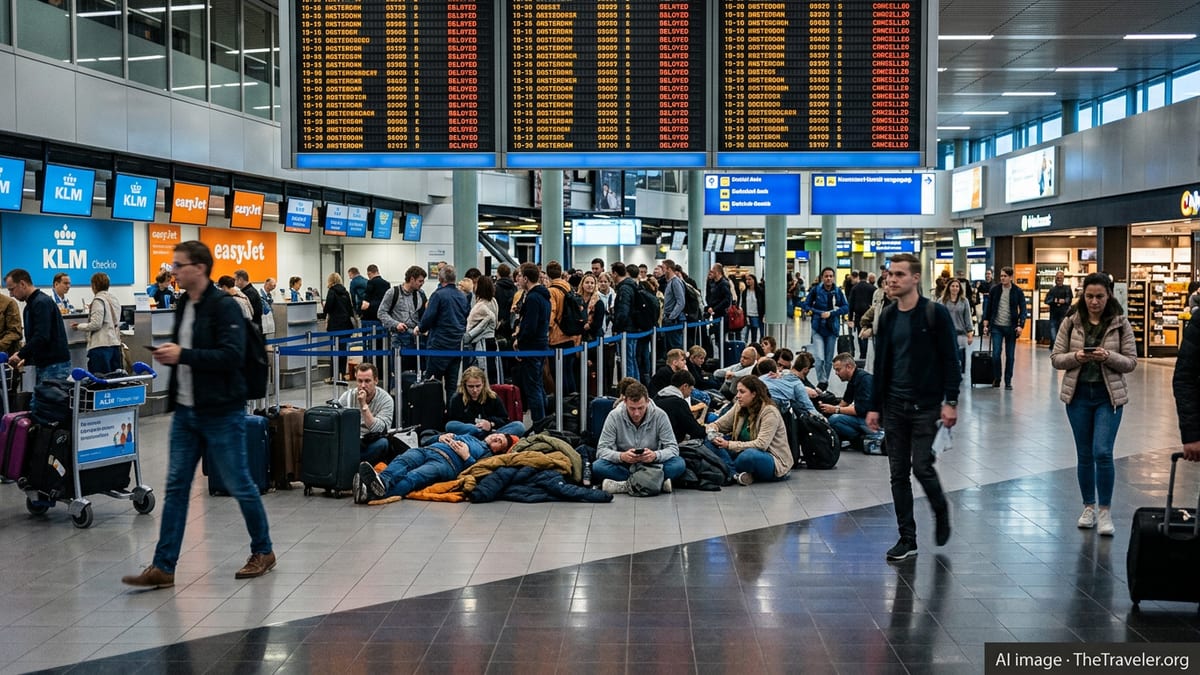
Patchy Operations at Germany’s Largest Hubs
Flight tracking data and airport information boards on Saturday pointed to a fresh wave of cancellations at Germany’s main gateways, with Frankfurt and Munich once again among the most affected airports. A cluster of Lufthansa departures and arrivals was marked as cancelled across intra-European routes, while selected services involving alliance and codeshare partners such as Delta and KLM also disappeared from schedules.
At Frankfurt, Germany’s largest hub, cancellations were concentrated on high-frequency European services, including rotations to Amsterdam, Paris and Zurich, as operators consolidated capacity on remaining departures. Similar patterns appeared in Munich, where links to Amsterdam, Paris and other European capitals form part of dense shuttle-style schedules and were trimmed back to fewer daily frequencies.
Berlin Brandenburg and Hamburg reported a smaller but still visible number of cancellations, particularly on flights feeding into larger hubs. Some regional services to and from secondary German airports were also pulled, leaving passengers dependent on rebookings via alternative hubs or on ground transport to reach long haul departures.
Knock-on Disruptions Across Europe and the Atlantic
The cuts in Germany rippled outward along Europe’s busiest corridors. Services to Amsterdam’s Schiphol Airport and Paris Charles de Gaulle, both critical transfer points for KLM and Air France, saw a handful of cancelled rotations from German origins. In response, remaining flights were reported as operating with high load factors, narrowing options for same day re-accommodation.
Routes to Zurich and Helsinki were also affected as Swiss and Finnair adjusted their schedules in coordination with broader network changes. In Zurich, select feeder services from German cities were withdrawn, pushing connecting passengers onto later flights. Helsinki departures from Germany followed a similar pattern, with a reduced set of options still operating.
Transatlantic links were not immune. Several passengers reported cancellations or rebookings on itineraries involving Delta’s connections through Frankfurt and Munich on journeys to and from Atlanta and other U.S. cities. In many cases, travelers were shifted to alternative routings via partner hubs or onto other carriers within the same alliances, extending total travel times and altering planned connections.
Context of Wider Capacity Cuts and Industrial Tensions
The latest cancellations come against the backdrop of a challenging spring for European aviation, marked by industrial action and strategic capacity reductions. Since February, Lufthansa and some of its labor groups have been locked in disputes that have already triggered multiple strike days and forced the airline to operate several special timetables with pared back schedules.
In parallel, Lufthansa Group has been reshaping its short haul network for the peak summer season, with publicly available information indicating plans to withdraw thousands of flights across its hubs, including Frankfurt, Munich and Zurich. The aim has been presented as a move to stabilize operations and align seat supply with staffing and cost pressures, particularly higher fuel prices and ongoing crew shortages.
Other European carriers have also been revisiting their timetables. Recent published coverage highlighted KLM’s decision to cut dozens of flights to and from Amsterdam as fuel costs and geopolitical tensions weighed on operating margins, while Swiss and other group airlines prepared for a more conservative summer schedule. Saturday’s cancellations in Germany appear to reflect both these structural adjustments and residual disruption from earlier strike-related timetable changes.
Passenger Experience: Longer Journeys and Limited Alternatives
For affected passengers, the most immediate impact has been extended travel times and a shortage of near term alternatives. Travelers with itineraries linking smaller German airports to long haul departures through Frankfurt or Munich reported being rebooked on more complex routings, often involving an extra connection or an overnight stay at an intermediate hub.
Publicly shared accounts describe passengers originally booked on non stop Germany to North America services being moved onto combinations of partner flights via other European gateways, or in some cases placed on trains to reach a different departure airport. On busy intra-European routes such as Germany to Amsterdam or Paris, limited remaining seat availability on same day flights left some travelers reliant on next day departures.
Airports have advised passengers to check the status of their flights before heading to the terminal and to use airline apps or contact centers for rebooking where possible. With many cancellations affecting high frequency routes, some travelers were able to shift to earlier or later services on the same day, although those options tended to diminish as aircraft filled.
What Travelers Should Watch in the Coming Days
Looking ahead, operational data and recent announcements suggest that German hubs may continue to see intermittent cancellations as airlines refine their summer schedules and clear backlogs from earlier disruptions. High frequency European links, such as those from Frankfurt and Munich to Amsterdam, Paris, Zurich and Copenhagen, are expected to remain broadly intact but with fewer daily rotations than originally planned.
Travelers scheduled to fly on Lufthansa and its partners, including Delta, KLM, Finnair, Swiss and Air France, are being encouraged by public advisories to monitor their bookings closely in the days before departure. Same day cancellations, while affecting a minority of flights, can still create significant connection risks for itineraries involving tight transfer windows at major hubs.
Industry observers note that airlines entering the busy summer period with trimmed but more realistic schedules may ultimately reduce large scale disruption, even if short term cancellations continue to inconvenience travelers. For now, passengers bound for or transiting through Germany’s main airports face another weekend of elevated uncertainty, with real time checks and flexible plans remaining the most practical tools for navigating a shifting flight landscape.