


More news on this day
Hundreds of international travelers have been left stranded across Peru as widespread disruptions hit flights operated by LATAM and other carriers, triggering a cascade of cancellations and delays on routes linking Lima, Cusco, Arequipa and Trujillo with major hubs such as Toronto, São Paulo and Santiago.
Get the latest news straight to your inbox!
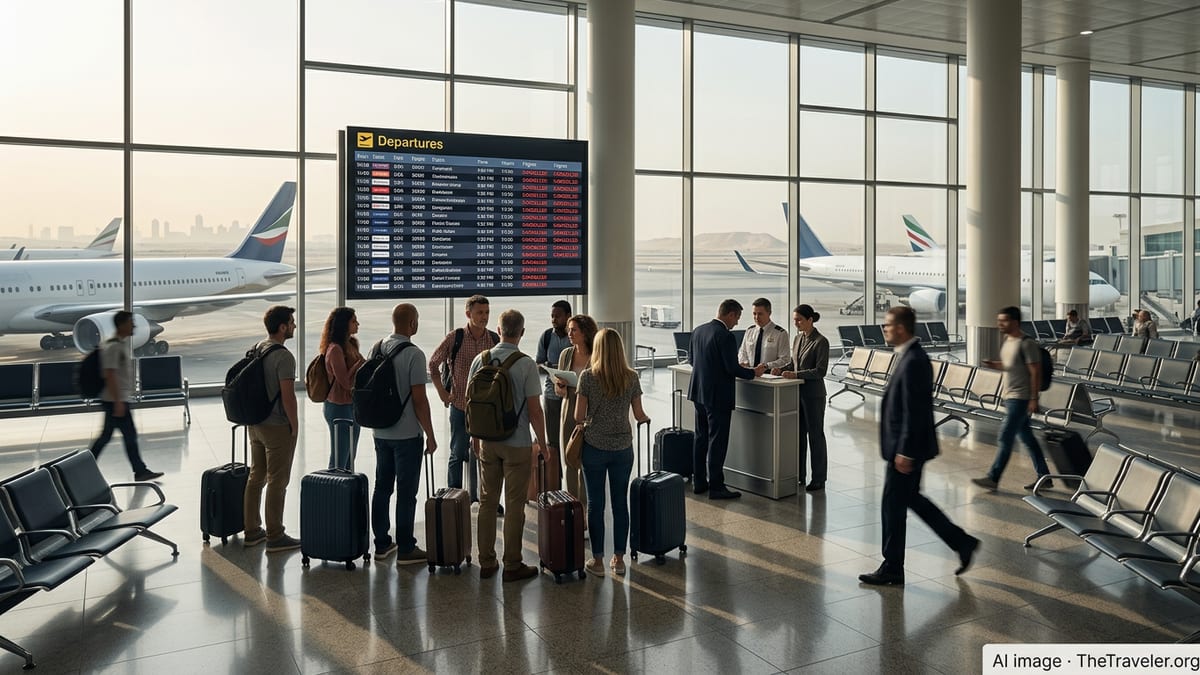
Wave of Cancellations Across Peru’s Main Hubs
Publicly available flight-tracking data and local media reports indicate that Peru’s principal airports, including Lima’s Jorge Chávez International Airport along with Cusco, Arequipa and Trujillo, have seen more than a dozen flights scrubbed or heavily delayed over the past 24 hours. The disruption has affected both domestic and international legs, with connections to North and South American cities hit particularly hard.
LATAM, which uses Lima as a key regional hub, appears to be the most affected operator, though schedules from other international airlines have also been impacted according to online timetables. Cancellations on trunk routes such as Lima to Cusco and Lima to Arequipa have had a knock-on effect for long haul itineraries, as passengers miss onward connections to destinations like Toronto, São Paulo and Santiago.
Travel forums and social media posts from passengers describe crowded terminals, long lines at service counters and difficulty obtaining clear information on revised departure times. Some travelers report waiting many hours for rebooking options, with limited hotel availability near airports compounding the disruption.
The cancellations have come at a time when Peru is seeing strong visitor demand to major tourism gateways such as Cusco and Arequipa, increasing the number of travelers caught mid-journey when flights are withdrawn from the schedule.
International Routes to Toronto, São Paulo and Santiago Disrupted
According to publicly accessible airline schedules, a series of long haul and regional flights linking Peru to Canada, Brazil and Chile have been among the most affected. Routes from Lima to Toronto, as well as heavily trafficked corridors to São Paulo and Santiago, have seen selected departures canceled or significantly delayed, forcing passengers to reroute through alternative hubs or wait for later services.
Reports from affected travelers indicate that some itineraries involving connections through Lima from regional cities such as Cusco and Trujillo have collapsed entirely when initial domestic segments were canceled. In several cases, passengers have described being rebooked onto flights departing one or two days later, raising concerns over missed tours, cruise departures and business commitments.
Regional carriers operating from neighboring countries have also adjusted schedules in response to the disruption, based on data visible in online booking systems. Some flights into Lima and Cusco are showing reduced frequencies or altered departure times, which could extend the period of instability for travelers planning multi-country trips across South America.
For passengers bound for hubs such as Toronto and São Paulo, the impact is especially acute because these flights often operate once daily and are timed to feed into transcontinental networks. When a single departure is pulled, replacement options are limited and frequently involve overnight layovers or multi-stop routings.
Knock-on Effects for Peru’s Tourism Corridors
The disruption is particularly damaging along Peru’s core tourism corridor linking Lima with Cusco, Arequipa and onward to landmarks such as Machu Picchu and the Colca Canyon. Travel advisories and recent traveler accounts already highlight the sensitivity of air operations in high altitude Andean airports, where weather and visibility constraints can trigger rapid schedule changes.
With LATAM and other airlines canceling or rescheduling multiple domestic rotations, visitors attempting to connect from international arrivals in Lima to domestic flights onward to Cusco and Arequipa are among the hardest hit. Publicly shared itineraries show that even several hours of scheduled layover time have in some cases proved insufficient when early morning flights were withdrawn or delayed.
Tour operators that package Peru’s classic routes frequently rely on predictable domestic schedules to coordinate guided treks, train connections and hotel stays. Current reports suggest that some travelers have had to shorten or reorder their itineraries at short notice, skipping destinations or activities when replacement flights could not be found within their vacation window.
The situation also underscores the vulnerability of secondary hubs such as Trujillo, which depend on a limited number of daily flights to Lima. When one or two departures are removed from the timetable, travelers can find themselves with no same day options to reach the capital and connect onwards to international services.
Passenger Experience: Long Queues and Limited Information
Accounts shared on travel forums and social media depict a challenging experience for passengers seeking assistance at Peru’s airports. Many describe long lines at airline counters and self service kiosks, with some travelers reporting waits of several hours to speak with customer service representatives about rebooking and compensation.
Several passengers report receiving short notice electronic notifications of cancellation, only to find limited information available when attempting to confirm details on carrier websites or mobile applications. In some cases, boarding passes for onward international flights remained active in digital wallets even after domestic feeder flights were removed, creating additional confusion about whether connections would still be honored.
Travelers attempting to contact airline call centers from abroad have described busy signals and lengthy hold times, especially during peak cancellation periods. Public posts suggest that some customers have resorted to purchasing new tickets on competing airlines or via alternative routes in order to avoid missing immovable commitments such as weddings, tours or work obligations.
At the same time, other passengers report being accommodated on later departures and provided with basic assistance, such as food vouchers or hotel stays when overnight delays were unavoidable. The variability in experiences appears to depend heavily on the specific route, booking channel and availability of alternative flights.
Guidance for Travelers With Upcoming Peru Itineraries
In light of the ongoing disruptions, publicly available advice from aviation and consumer travel sources emphasizes the importance of closely monitoring flight status in the days and hours before departure. Passengers booked on LATAM and other carriers serving Lima, Cusco, Arequipa and Trujillo are being urged in open forums to verify both domestic and international segments, particularly where connections involve different tickets or partner airlines.
Seasoned travelers posting online recommend building generous layover buffers into itineraries that depend on same day domestic to international connections in Lima. Some suggest avoiding the last flights of the day on weather sensitive routes, noting a perceived pattern of late evening departures being more vulnerable to rolling delays and cancellations.
For those yet to purchase tickets, booking all segments on a single ticket with one airline group is often cited as a way to improve rebooking options if disruption occurs. Travel insurance policies that explicitly cover missed connections and extended delays are also being highlighted by consumer advocates as a useful safeguard for complex itineraries across Peru and the wider region.
While airline schedules indicate that operations are continuing on most routes, the current wave of cancellations serves as a reminder that Peru’s busy domestic and international corridors can be susceptible to sudden disruption. Travelers planning trips in the coming days are being encouraged by widely shared guidance to remain flexible, maintain up to date contact details in their bookings and allow additional time for connections at key hubs such as Lima.