


More news on this day
Travellers heading to and from Thailand via the Middle East are facing fresh disruption as Gulf Air, Qatar Airways and other carriers cancel or retime more than a dozen services linking Bangkok, Phuket and regional hubs with Doha, Tel Aviv and onward destinations.
Get the latest news straight to your inbox!
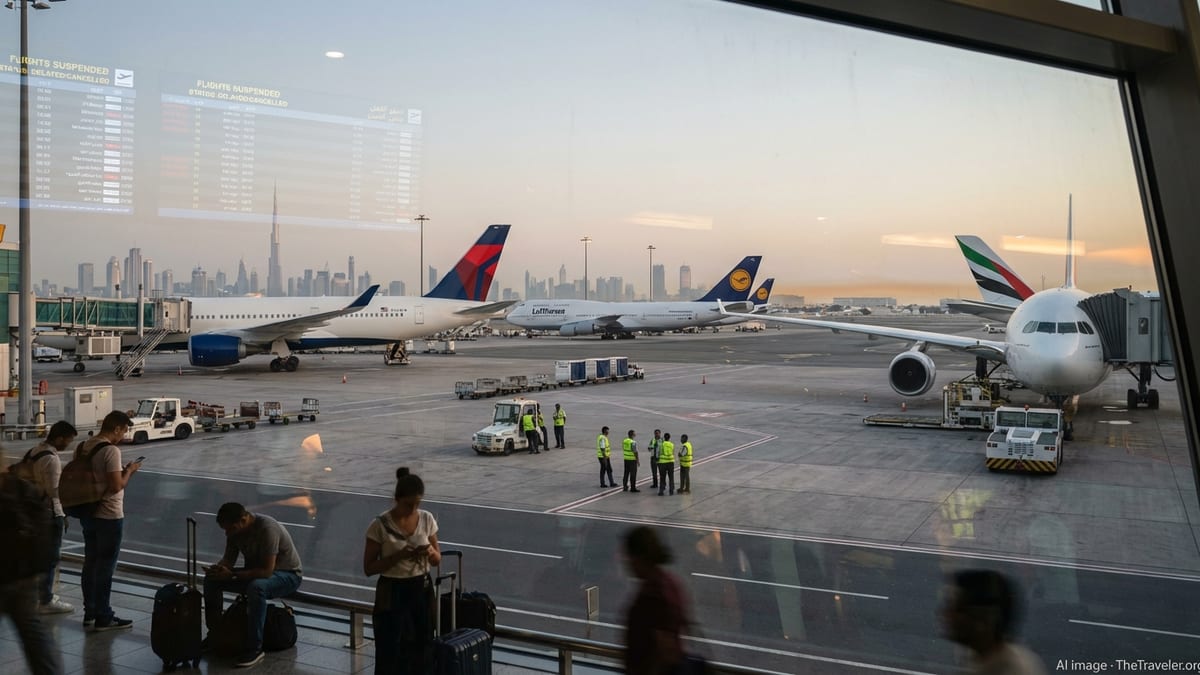
Middle East Tensions Continue To Ripple Across Thai Skies
The latest wave of schedule changes comes against the backdrop of ongoing instability in the Middle East, which has periodically affected airspace around Qatar and neighboring countries since late February. Published coverage from regional and international outlets describes how a series of security incidents and temporary airspace restrictions around Doha triggered thousands of cancellations and diversions earlier in the year, with knock-on effects that continue to be felt across airline networks.
Qatar Airways, which relies on its Doha hub to funnel passengers between Europe, Asia and Africa, has been operating on a reduced and frequently adjusted timetable as it rebuilds its schedule. Company travel alerts describe a “limited” passenger flight program to and from Doha, with customers urged to check individual flight status before heading to the airport. Publicly available information shows that Bangkok and Phuket remain on the carrier’s route map, but not all frequencies are operating every day.
The impact has been particularly visible in Thailand, where Middle Eastern carriers play a crucial role in connecting popular beach destinations and the capital with long-haul markets. Gulf Air, Qatar Airways and other regional airlines typically transport large numbers of European and Middle Eastern tourists to Bangkok and southern islands via their hubs. When flights are cut or retimed, passengers often have few same-day alternatives, leading to missed connections and lengthier journeys.
Observers note that while airspace over Qatar is now described as open, operators remain cautious about routings that bring aircraft close to recent flashpoints. This caution, combined with crew and aircraft positioning challenges, has left carriers with little flexibility when conditions change, resulting in overnight cancellations or last-minute aircraft swaps that ripple through schedules in Thailand and beyond.
Gulf Air, Qatar Airways And Codeshare Partners Trim Frequencies
Recent operational data and flight-tracking information indicate that more than a dozen flights touching Thailand have been cancelled or removed from sale over the current schedule period. Affected routes include Qatar Airways services between Doha and Bangkok, Gulf Air services that typically carry Thai passengers via Bahrain, and a series of codeshare flights marketed by European and Asian partners but operated over Doha.
On some days, key Qatar Airways flights between Bangkok Suvarnabhumi and Doha have not appeared on daily departure boards, replaced instead by a smaller number of consolidated services. Aviation schedule platforms show that while certain departures to Doha continue as planned, others are listed as “not operating” for selected dates, suggesting tactical cancellations as the airline balances demand, aircraft availability and routing constraints.
Gulf Air, which connects Thailand to Bahrain with onward links to Tel Aviv, Europe and the Gulf, has also adjusted its flying program. Industry timetables for late May and early June show thinning frequencies on some Middle Eastern routes that normally carry Thai-origin traffic. Travel agents in Bangkok report that bookings routed via Bahrain or Doha are being reissued onto alternative flights or, in some cases, pushed back by 24 hours or more.
The disruption extends to codeshare flights marketed under other airline brands but relying on Qatar Airways or Gulf Air metal between Thailand and the Middle East. Passengers holding tickets issued by partner carriers are sometimes discovering their onward segment cancelled while the rest of the itinerary remains active, requiring manual rebooking and longer transits at alternative hubs such as Istanbul, Singapore or Kuala Lumpur.
Routes To Tel Aviv, Europe And Beyond Face Knock-On Delays
Links between Thailand and Tel Aviv, which often rely on one-stop itineraries through Gulf hubs, have been among the most affected. Market data shows that journeys that would normally run via Doha or Bahrain have been disrupted by schedule cuts, with some services removed from booking engines entirely for selected dates. Travellers bound for Israel from Bangkok and Phuket are being re-routed through European or Turkish hubs instead, often involving extra stops and extended travel times.
Europe-bound passengers are also feeling the strain. With Qatar Airways and Gulf Air trimming their schedules, capacity between Thailand and key European cities via Doha and Bahrain has tightened. Published commentary from travel forums and consumer reports describes passengers being moved onto later flights or rerouted via alternative Middle Eastern or Asian hubs, sometimes arriving a full day later than planned.
The situation is particularly challenging for travellers with complex itineraries that combine multiple tickets or carriers. If a Doha or Bahrain sector is cancelled, downstream flights on separate tickets may not be automatically protected, leaving passengers to negotiate changes independently. Public reports from recent weeks highlight cases where passengers transiting from Thailand to Africa or South America via the Middle East faced long delays in securing new routings.
Airlines with significant exposure to the region are attempting to protect core trunk routes while shaving frequencies on secondary services. Industry analysts point out that this approach can leave holiday markets, including Thailand, more exposed to disruption, especially during shoulder seasons when demand is uneven and airlines have greater flexibility to consolidate flights.
What Travellers Through Thailand Need To Do Now
For travelers currently booked to or from Thailand on itineraries involving Doha, Tel Aviv or other Middle Eastern hubs, the main advice from airlines and travel advisers is to monitor bookings closely and prepare for possible changes. Public updates from Qatar Airways and other carriers emphasize that schedules remain fluid and that further tactical adjustments are possible at short notice as conditions evolve.
Passengers are encouraged to check their flight status on airline websites or apps in the 24 to 48 hours before departure, rather than relying solely on original e-ticket confirmations. Travel industry guidance suggests that travelers with critical connections, such as cruises or events starting on fixed dates, consider arriving a day earlier than strictly necessary or booking routings that avoid multiple tight connections through the region.
Those already in Thailand and facing cancellations are generally being offered rebooking on the next available service, refunds, or rerouting via alternative hubs where capacity allows. According to publicly available advisories, some carriers are also waiving change fees on affected routes, although fare differences may still apply when switching to another airline or a higher booking class.
Consumer advocates recommend that passengers keep detailed records of disruption, including messages from airlines and any receipts for hotels or meals, as these may be needed later when claiming assistance or compensation under local or international regulations. Coverage in European media has underlined that eligibility for formal compensation will vary depending on the departure point, airline and exact cause of the cancellation.
Outlook For Thailand–Middle East Travel In The Coming Weeks
Despite the current disruption, there are tentative signs of improvement in the wider network picture. Airline statements and financial updates suggest that major Gulf carriers, including Qatar Airways, are gradually restoring capacity and aiming to return closer to normal operations over the northern summer. However, industry observers caution that the recovery is uneven and subject to sudden reversals if tensions in the region escalate again.
For Thailand, which depends heavily on long-haul inbound tourism, the stability of Middle Eastern connections will be closely watched. Carriers based in the Gulf not only bring visitors from their home markets but also funnel traffic from Europe, Africa and the Americas. Any prolonged reduction in capacity through Doha or Bahrain could shift more connecting traffic towards other hubs, such as Dubai, Abu Dhabi, Istanbul or major Asian gateways.
Travel analysts expect airlines to continue making short-notice adjustments through at least early summer as they test demand and respond to operational constraints. That means passengers planning trips between Thailand and destinations served via Doha or Tel Aviv should factor flexibility into their plans, allowing extra time at transit points and avoiding nonrefundable ground arrangements where possible.
For now, the message for travelers is one of cautious preparation rather than panic. Flights between Thailand and the Middle East are still operating, but with less predictability than usual. Those who stay informed, remain flexible on dates and routings, and keep close track of airline communications will be best placed to navigate the shifting schedules in the weeks ahead.