


More news on this day
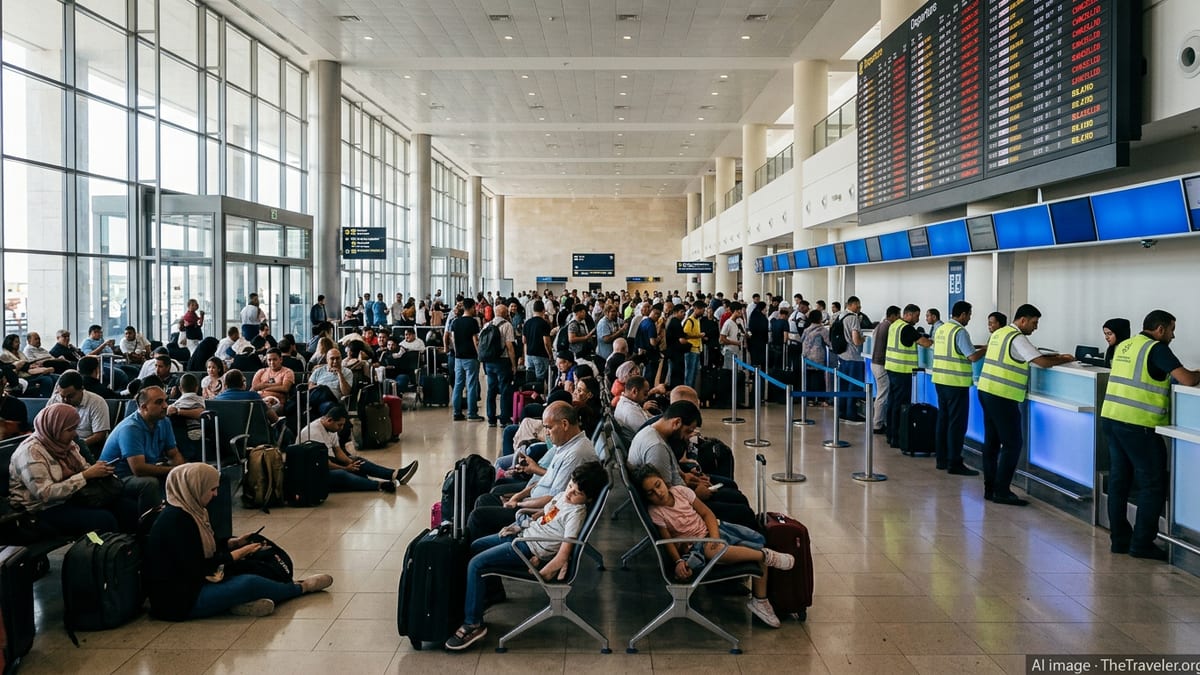
Numerous flight cancellations at Guilin Liangjiang International Airport in southern China have left hundreds of passengers facing long queues, overnight waits and complex rebooking challenges at one of the country’s main tourist gateways.
Get the latest news straight to your inbox!
What Happened at Guilin Liangjiang Airport
Published flight status data for Guilin Liangjiang International Airport on recent peak travel days shows an unusual cluster of cancellations across multiple domestic routes, with several services to cities such as Zhengzhou, Taiyuan, Wenzhou and Jinan marked as cancelled instead of delayed. While some disruption is common during China’s busy late spring and early summer travel period, the concentration of same day cancellations suggests a mix of operational and weather related pressures converging on the regional hub.
The airport, which handled more than six million passengers in 2025 according to publicly available statistics, serves as the primary air gateway to Guilin’s karst landscapes and Li River cruises. When operations are interrupted, the impact is felt not only by local residents but also by tour groups, independent travelers and business visitors who often rely on tight connections onward to other Chinese cities.
Reports from Chinese language travel platforms and flight tracking dashboards indicate that the latest round of disruption has stranded hundreds of passengers in terminal two, with some forced to wait for later departures or seek alternative routes via larger hubs such as Guangzhou, Shanghai or Xi’an. Standard rebooking channels have come under pressure as airlines work to reshuffle aircraft and crew.
Although no single official cause has been cited for all affected flights, regional aviation coverage points to a combination of convective weather systems over southern China, knock on effects from congestion at other airports and ongoing adjustments to airline schedules for the current season.
Key Factors Behind the Disruptions
Guilin Liangjiang’s location in a subtropical region means it is periodically exposed to heavy rain, low cloud and summer thunderstorms. Meteorological bulletins for the airport in mid May highlighted variable visibility and unstable weather patterns, conditions that can quickly reduce runway capacity and trigger wider schedule changes when safety margins need to be increased.
Aviation circulars released earlier this year also note changes to certain flight procedures at Guilin, reflecting broader airspace management updates across China. While such technical adjustments are planned well in advance, they can coincide with peak travel periods and contribute to tighter margins when the network is under stress.
At the same time, China’s domestic aviation market has been expanding rapidly, with carriers adding capacity to popular leisure destinations like Guilin. Industry reporting shows that cross border passenger traffic through Guilin grew strongly in the first quarter of 2026, which increases the volumes of travelers exposed when irregular operations occur. The more tightly scheduled the network, the more likely a weather disruption in one region will cascade into cancellations elsewhere.
Observers of recent disruptions at other Chinese airports, including large scale fog and dust related cancellations in northwestern hubs, note similar patterns: when visibility drops or thunderstorms move in, traffic control restrictions ripple through already busy timetables. Guilin’s role as a secondary hub means it can be particularly vulnerable to such knock on effects when larger airports around the country adjust their flows.
How Passengers at Guilin Are Being Affected
For travelers caught in the latest wave of cancellations at Guilin Liangjiang, the most immediate consequences have been long lines at airline counters, uncertainty over new departure times and difficulties securing last minute hotel rooms. Social media posts and traveler forums describe passengers sleeping in waiting areas and relying on airport vending options or basic concessions while they wait for updated information.
The disruption has been especially challenging for tour groups on tight itineraries, as missed departures from Guilin can mean lost nights in other destinations or the need to cut activities short. Independent travelers connecting to separate tickets on high speed rail or other airlines also face additional costs when onward journeys cannot be adjusted without penalties.
Families with children and elderly passengers are among the most heavily affected, with some publicly shared accounts mentioning hours in check in and customer service queues before any clear rebooking offers were presented. When flights are cancelled late in the day, accommodation and transport from the airport into Guilin city become further points of stress for those unfamiliar with the local area.
Travel industry commentary notes that while many Chinese carriers provide meal vouchers or hotel arrangements during major disruptions, the practical delivery of this support can vary depending on timing, capacity and the specific reason for the cancellation. Passengers are often encouraged to keep all receipts for out of pocket expenses in case partial reimbursement is later offered.
What Stranded Travelers Can Do Now
For passengers currently stuck at Guilin Liangjiang, publicly available consumer guidance recommends starting with the airline that issued the ticket, whether at a staffed counter, via a mobile app or through customer service hotlines. Rebooking onto the next available service to the same destination is typically the first option, but in periods of heavy disruption it may be necessary to accept rerouting through alternative hubs or on partner carriers.
Travel experts suggest that those with time sensitive commitments, such as international connections or business meetings, should clearly communicate these constraints when negotiating new itineraries. In some cases, passengers may find it more efficient to accept a rebooking to a nearby major airport and then complete the journey by high speed rail or intercity coach, options that are relatively well developed in Guangxi and neighboring provinces.
Travel insurance policies can also play a role. Many international and premium domestic policies include coverage for trip interruption, extra accommodation, meals and alternative transport when flights are cancelled for reasons beyond the traveler’s control. Policy holders are advised to document delays carefully, keep boarding passes and capture confirmation of the cancellation from airline communications or publicly accessible flight status tools.
For those still planning to depart from Guilin in the coming days, checking flight status repeatedly before heading to the airport and allowing additional time for security and check in procedures can help reduce stress. Passengers connecting on separate tickets may want to build in longer layovers or consider flexible fares that allow changes if the disruption continues.
Broader Implications for Travelers Using Guilin
The recent cancellations highlight how quickly operations can become strained at a regional tourism hub when adverse conditions align with high demand. Guilin’s popularity as a starting point for river cruises, rural guesthouses and nature tours means a localized disruption can ripple across hotel bookings, tour departures and ground transport in the wider region.
Travel planners and tour operators are likely to respond by revisiting contingency plans, including reserving flexible rail alternatives from other nearby airports and adjusting itineraries so that key long haul departures originate from larger hubs less sensitive to single day disruptions. Some may also encourage clients to arrive in Guilin a day earlier during peak seasons to provide a buffer against sudden schedule changes.
For individual travelers, the situation underscores the value of building resilience into trip planning. That can include choosing itineraries with at least one backup routing option, avoiding last minute late night arrivals when possible and retaining some budget for unexpected overnight stays. Those heading to Guilin during the summer storm period or major Chinese holidays may wish to prioritize flights earlier in the day, when there is more flexibility to re accommodate passengers if problems develop.
Industry observers note that, despite the current difficulties, Guilin Liangjiang continues to expand its route network and facilities as passenger numbers grow. Periodic operational shocks are likely to remain part of the picture, but better preparation by both airlines and travelers can help reduce the impact when large numbers of flights are suddenly cancelled and terminals once again fill with stranded passengers.