


More news on this day
Travelers at Lima’s Jorge Chávez International Airport faced significant disruption as at least 21 flights were delayed and three canceled, snarling domestic and international routes operated by LATAM Airlines, Sky Airline, JetSMART and other carriers.
Get the latest news straight to your inbox!
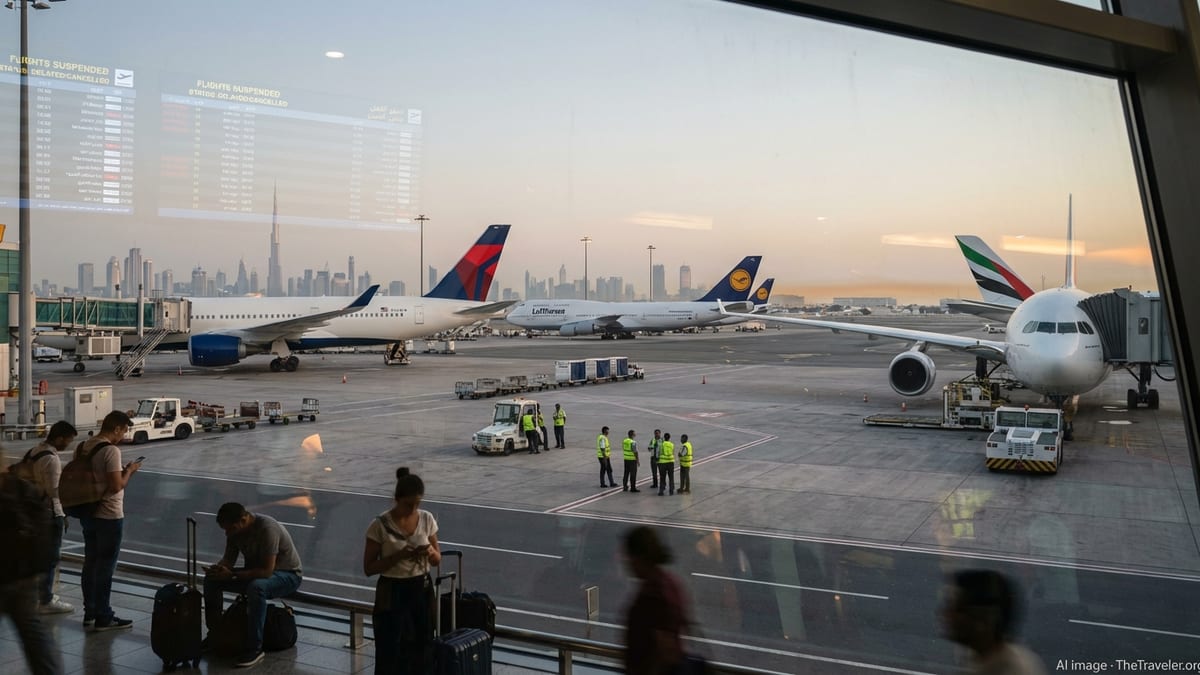
Wave of Delays Hits Key South American Hub
Reports compiled from flight-tracking platforms and local coverage indicate that Jorge Chávez International Airport, the main gateway to Peru, experienced an unusually high number of disrupted services, with more than twenty departures and arrivals running late and a small cluster of outright cancellations. The impact was felt across peak morning and evening banks, amplifying crowding in check-in halls, security lines and boarding areas.
The pattern of disruption affected both domestic shuttles to cities such as Cusco, Arequipa and Iquitos and regional links to hubs including São Paulo, Santiago, Bogotá and Quito. LATAM Airlines, Sky Airline and JetSMART, which all operate dense schedules from Lima, appeared among the most affected, alongside a handful of other regional and long-haul operators connecting Peru with North America and Europe.
The airport, which serves as a primary hub for LATAM Peru and a base for Sky Airline Peru and JetSMART Peru, has been operating under heightened pressure since the opening of its expanded facilities and the redistribution of airline operations. Publicly available information on recent punctuality trends suggests that the combination of infrastructure changes and strong demand has left schedules more vulnerable to cascading delays when operational issues arise.
While the precise trigger for the latest disruption has not been fully detailed, earlier episodes at Jorge Chávez in recent months have been linked to radar system glitches and air traffic management constraints, underscoring the sensitivity of Peru’s main airport to technical and operational shocks.
Domestic and Regional Routes Bear the Brunt
Domestic travelers were among those most immediately affected, with delays reported on high-frequency routes between Lima and major tourism and business destinations such as Cusco and Arequipa. These sectors are heavily relied upon by tour groups heading to Machu Picchu, as well as by local travelers connecting through Lima from smaller Peruvian cities, so even short delays can quickly disrupt onward itineraries.
Regional routes also experienced knock-on effects, particularly services linking Lima to São Paulo, Santiago, Bogotá and Quito. LATAM Airlines deploys a mix of narrowbody and widebody aircraft on these sectors, while Sky Airline Peru and JetSMART Peru operate competing low-cost services on select city pairs. When departures from Lima slip behind schedule, aircraft and crew rotations across the network can be thrown off balance, raising the risk of later cancellations or further delays.
Because Jorge Chávez functions as a transfer point between domestic and South American destinations, any concentration of late-running flights can lead to a spike in missed connections. Passengers arriving from long-haul services into Lima may find that their onward regional flights have already departed, and rebooking options can be limited at short notice during busy travel periods.
Travel patterns over the current season have been strong, driven by both international tourism and robust regional business traffic. In that context, even a relatively small number of cancellations forces airlines to consolidate passengers onto later departures, leaving many flights at or near capacity and reducing flexibility for same-day recovery.
Airlines Struggle to Reprotect and Inform Passengers
Publicly available accounts from recent disruption episodes in Peru suggest that passengers with affected bookings often face long waits at service desks and inconsistent communication from carriers when schedules unravel. Travelers report that rebooking across LATAM, Sky Airline and JetSMART can involve both online and airport-based processes, with varying levels of success depending on fare type and availability.
In the latest wave of delays and cancellations, travelers stranded at Jorge Chávez described crowded gate areas and limited information on revised departure times. Flight-tracking sites sometimes updated more quickly than departure boards, leading some passengers to rely on mobile apps rather than airport announcements to understand their options.
Published guidance from airlines operating in Lima generally advises passengers to check flight status repeatedly on the day of travel and to arrive early at the airport when operational challenges are expected. This advice has taken on added importance in light of the recurrent disruptions and the pressure created by the airport’s transition to a new terminal layout and runway configuration.
For those on separate tickets or tight connections, missed onward flights can become costly. Rebooking fees, last-minute hotel stays and the need to rearrange tours or ground transport are common secondary effects, particularly for international visitors with complex itineraries across multiple South American countries.
Infrastructure Changes and System Strain at Jorge Chávez
Jorge Chávez International Airport has been undergoing a long-planned expansion, including a new terminal and upgraded runway and taxiway systems, designed to increase capacity and improve the passenger experience. The transition period, however, has coincided with strong demand and occasional technical issues, putting additional strain on daily operations.
Previous disruption episodes at the airport have been associated in local reporting with radar and air traffic control problems, which can lead to temporary reductions in arrival and departure rates. When those constraints intersect with full banks of scheduled flights, even short suspensions of movements can translate into hours of accumulated delay.
Aviation industry analysis has also highlighted the challenge of integrating low-cost carriers into traditionally full-service hubs. Sky Airline Peru and JetSMART Peru have expanded in Lima with point-to-point routes that rely on high aircraft utilization and tight turnarounds. Any hold-ups in ground handling, gate assignment or runway access can therefore reverberate quickly through their schedules.
In parallel, broader debates around airport charges and connectivity policy in Peru have added another layer of complexity. Changes to transfer fees and route economics have prompted some airlines to adjust or cancel certain services from Lima, reshaping traffic flows and placing more emphasis on the resilience of the remaining network.
Advice for Affected and Future Travelers
For travelers currently stuck at Jorge Chávez or scheduled to pass through Lima in the coming days, the most practical response is to monitor flight status closely through official airline channels and flight-tracking tools, and to be proactive about seeking rebooking options. In many cases, same-day alternatives within Peru or to nearby regional hubs may be available, especially early in the disruption cycle.
Passengers with onward connections booked on separate tickets, including low-cost regional segments, face particular vulnerability and may wish to build longer buffers between flights when planning future itineraries via Lima. Allowing several hours, rather than the legal minimum connection time, can provide a margin of safety during periods when operational reliability is under pressure.
Travel industry observers note that travel insurance with strong trip interruption coverage can help offset the financial impact of delays and cancellations, especially for international visitors with nonrefundable tours and hotel bookings. Policies differ widely, so travelers are encouraged to review conditions related to missed connections, schedule changes and airline-caused disruption.
While the current wave of delays and cancellations has been disruptive, aviation data indicates that Jorge Chávez remains a critical and generally reliable hub for access to Peru and the wider Andean region. As infrastructure works progress and operational procedures are refined, airlines and airport managers will be under sustained scrutiny from passengers and the tourism sector to improve punctuality and reduce the frequency of large-scale disruption events.