


More news on this day
Travel across southern China has been heavily disrupted as Guangzhou Baiyun International Airport reported 17 flight cancellations and 463 delays in a single day, with major Chinese carriers affected on both domestic and international routes.
Get the latest news straight to your inbox!
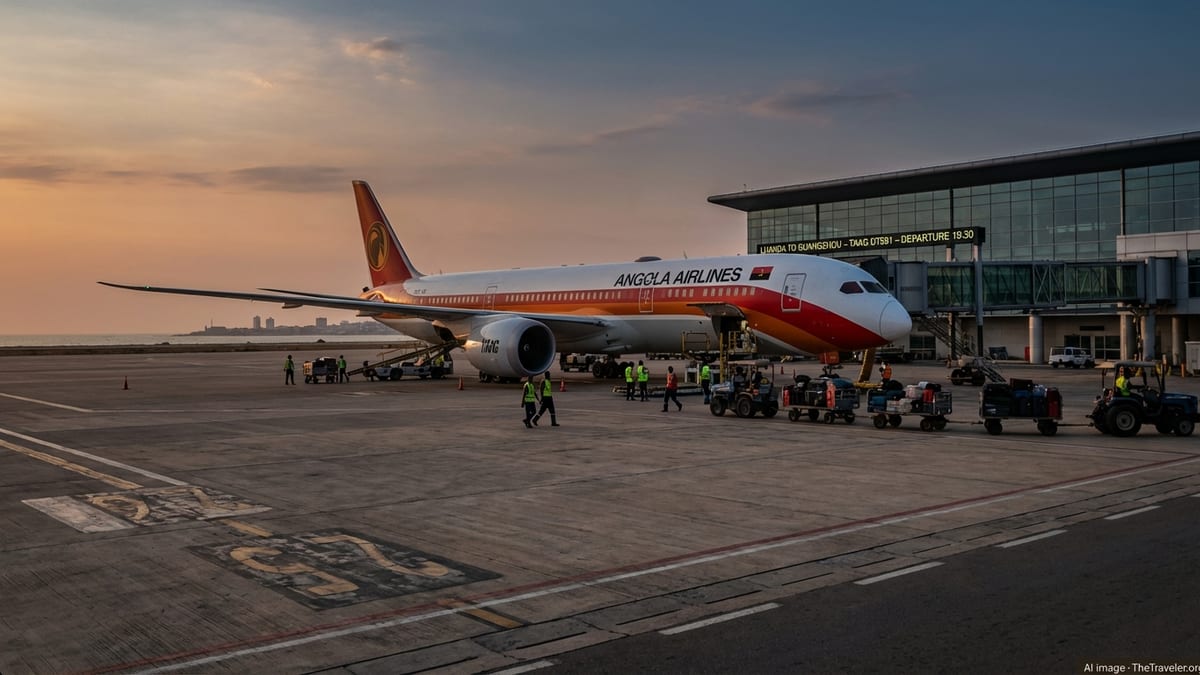
Major Chinese Carriers Caught in Widespread Disruption
Publicly available operational data for Guangzhou Baiyun show an unusually high level of disruption, with 17 services canceled and 463 flights delayed over the course of the day. The numbers highlight how quickly strain can build at one of China’s busiest aviation hubs once knock-on effects begin to spread through the network.
Reports indicate that the impact has been felt across a broad mix of airlines, including Air China, China Eastern, Hainan Airlines, China Southern and Shenzhen Airlines. These carriers collectively operate a dense web of domestic services linking Guangzhou with major cities such as Beijing, Shanghai, Chengdu and Kunming, alongside a growing roster of regional and long haul international routes.
Operational snapshots show that delays have clustered around peak bank times when departures and arrivals are heaviest, compounding congestion throughout the day. Even short holds at gate or on taxiways have translated into far longer knock-on delays for aircraft scheduled to operate multiple sectors.
Industry analyses of past performance at Guangzhou Baiyun describe the airport as a high-intensity operation where minor timetable slippages can quickly cascade. When several large operators experience schedule pressure at the same time, the combined effect can generate the type of elevated disruption seen in the latest figures.
Domestic Hub Status Amplifies the Ripple Effect
Guangzhou Baiyun’s role as a core domestic hub is central to the scale of the disruption. The airport handles tens of millions of passengers each year and is a primary transfer point connecting China’s southern manufacturing and tech regions with the rest of the country. When operations falter at such a node, onward journeys for travelers across multiple provinces can be affected.
According to published airport and airline information, many of the delayed services are high-frequency trunk routes, where aircraft cycle through several cities each day. A late inbound aircraft from a northern or western city can arrive behind schedule in Guangzhou, pushing back its subsequent departure and creating rolling delays on later flights that use the same airframe and crews.
Travel data providers note that similar patterns have emerged during previous disruption days at major Chinese hubs, where tight turnaround times leave limited buffer to absorb unexpected congestion. Each delayed arrival makes it harder for ground handlers and air traffic managers to reset the schedule, especially during busy morning and evening waves.
As delays accumulate, passengers on connecting itineraries face missed links and extended waits, raising rebooking demand at airline counters and customer service desks. That secondary pressure can prolong recovery as carriers work to redistribute travelers onto later departures or alternative routings.
International Routes Also Feel the Strain
While the majority of movements at Guangzhou Baiyun are domestic, the airport has steadily expanded its international footprint in recent years. The current disruption is therefore not limited to flights within mainland China but has also affected regional routes across Asia and selected long haul services.
Schedules show that China Southern and other Guangzhou based operators run key links to Southeast Asia, Northeast Asia and the Middle East, alongside connections to Europe and Australia. When originating flights from Guangzhou depart late, arriving services at destination airports often land behind schedule, forcing airlines to adjust gate assignments and turnaround windows abroad.
Similarly, inbound long haul flights destined for Guangzhou can be drawn into the pattern if congestion affects available arrival slots or gate space. Travel industry tracking tools routinely document how a busy hub’s local difficulties can propagate overseas, disrupting operations for airports that might otherwise have had normal traffic conditions.
The latest figures from Guangzhou add to a broader picture of volatility on global flight networks, where isolated storms, airspace constraints, staffing shortages or technical issues can cause disproportionate effects once they hit a major transfer point.
What Today’s Numbers Mean for Passengers
For travelers, 17 cancellations and more than 400 delays at a single airport in one day translate into missed connections, extended waits and, in some cases, forced overnight stays. Public advisories from aviation and consumer platforms consistently emphasize the importance of monitoring flight status closely whenever disruption levels spike at a major hub.
Passenger rights and service standards vary depending on the airline, ticket type and route, but consumer guidance typically recommends that travelers keep boarding passes, receipts and documentation of delays in case they are eligible for reimbursement of certain expenses. In practice, many carriers prioritize same day rebooking where capacity allows, especially on busy domestic corridors with multiple daily frequencies.
Travel planning services note that travelers with onward international connections are often at the highest risk of significant itinerary changes when a hub like Guangzhou experiences widespread delays. Longer minimum connection times and fewer daily frequencies on long haul routes mean that a missed link can push journeys back by many hours or even to the following day.
Observers also point out that disruption on this scale tends to encourage more conservative planning among frequent flyers, who may opt for longer connection windows or earlier departures when routing through major Asian hubs during busy travel periods.
Operational Recovery and Ongoing Monitoring
Based on patterns seen in previous disruption events at large airports, operational recovery at Guangzhou Baiyun is likely to be gradual rather than immediate. Even after the specific trigger for delays eases, aircraft and crews may remain out of position for several rotation cycles, leading to residual knock-on effects into the evening and potentially into the following day.
Aviation data dashboards commonly show a tapering of delays as airlines trim schedules, consolidate lightly booked flights, or deploy reserve aircraft where available. However, at high demand hubs with dense domestic and international networks, capacity to make such adjustments is not unlimited.
Travel intelligence providers therefore encourage passengers with upcoming flights to and from Guangzhou to continue checking status updates regularly, rather than assuming that schedules will normalize instantly once the worst of the disruption appears to have passed. Same day re-timings, gate changes and equipment swaps remain common during the recovery phase.
The disruption at Guangzhou Baiyun underscores the vulnerability of interconnected flight networks to concentrated operational stress at a handful of major hubs. For travelers planning itineraries through southern China, today’s figures serve as a reminder of the value of flexibility, real time monitoring and contingency planning when navigating one of Asia’s busiest skies.