


More news on this day
Hundreds of travellers flying in and out of northern Italy have faced disruption after a wave of delays and cancellations hit services operated by Ryanair, Iberia, easyJet, Wizz Air, Brussels Airlines and several other carriers across the Milan and Venice airport systems.
Get the latest news straight to your inbox!
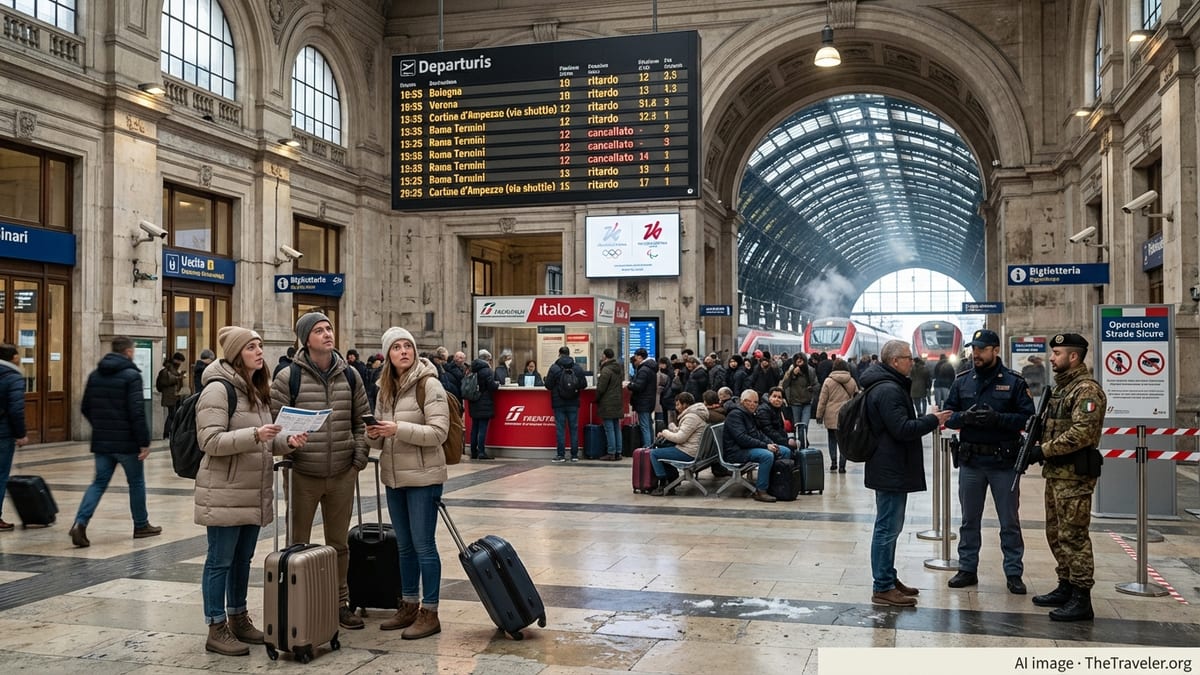
Widespread Disruption Across Northern Italy’s Busiest Hubs
Publicly available flight monitoring data and Italian media coverage indicate that around 210 flights were delayed and at least 10 were cancelled across Milan and Venice over the course of the disruption. The problems affected services at Milan Malpensa and Milan Bergamo, as well as Venice Marco Polo, which together form one of Europe’s busiest regional air corridors.
The delays were concentrated on short haul European routes, with services operated by low cost and network carriers alike showing late departures and extended arrival times. Travellers reported waits at departure gates, repeated changes to estimated take off times and, in some cases, diversions or missed onward connections.
The impact was felt throughout the day as disruption in early waves of departures created a knock on effect for later rotations. Once aircraft and crews were out of position, subsequent flights struggled to depart on schedule, amplifying the scale of delays well beyond the initial trigger period.
While the number of outright cancellations remained relatively limited compared with the delays recorded, each cancellation affected full planeloads of travellers, many of whom had to wait for rebooking options or make alternative arrangements at short notice.
Ryanair, easyJet, Wizz Air and Others See Schedules Strained
Ryanair, easyJet, Wizz Air, Brussels Airlines and Iberia were among the most visible carriers in the disruption, reflecting their dense networks at Milan and Venice. Operational data for recent weeks already showed high utilisation for these airlines on Italian routes, meaning there was limited slack in schedules once irregular operations began to build.
For low cost carriers such as Ryanair, easyJet and Wizz Air, frequent point to point services link Milan Malpensa, Milan Bergamo and Venice with destinations across France, Germany, Spain, Central and Eastern Europe. When earlier flights run late, aircraft may arrive significantly behind schedule, pushing back departure times for later services that rely on the same planes and crews.
Network airlines such as Iberia and Brussels Airlines, which feed passengers into wider hubs, faced a different challenge. Delays on Italian feeder flights increased the risk of missed long haul or intra Europe connections at their home airports, prompting some schedule adjustments and tighter rebooking windows. Publicly available timetable and performance reports for these carriers already highlight the sensitivity of hub waves to delays on short haul legs.
Historical performance data for European airlines also show that reactionary delays, where one late service causes knock ons to others, are a significant share of overall disruptions. The pattern seen in Milan and Venice fits this broader trend, in which even a few hours of irregular operations can translate into a full day of scattered delays across multiple carriers.
Possible Drivers: Staffing Pressures, Congestion and Earlier Strike Action
Italian and European aviation coverage in recent weeks has pointed to a mix of structural and short term pressures that can quickly translate into localised disruption. Reports of air traffic control strain, tight staffing levels at handling providers and lingering effects from earlier industrial action have all been cited as background factors for recent operational challenges in Italy.
In mid May, national media coverage described a significant air transport strike affecting Italian air traffic controllers, low cost carrier staff and ground handling workers. That action created a day of heavy disruption across several airports, with long queues and extensive delays, and highlighted how quickly the system can become congested when critical functions are reduced for even a few hours.
Although the latest disruption across Milan and Venice is being treated as a separate event, analysts note that airlines, airports and service providers may still be working through backlogs in training and recruitment, while also facing strong seasonal demand. In such an environment, any combination of minor technical issues, localised weather or temporary staffing gaps can have an outsized impact on punctuality.
Operational performance reports published by airport operators in other European countries underscore how airline delays, airport processes, ground servicing and air traffic management all contribute to overall punctuality. The pattern of delays logged in northern Italy aligns with this multi factor picture rather than a single, clearly identified cause.
Knock On Effects for Travellers and Holiday Plans
The timing of the disruption has been particularly difficult for leisure travellers heading to or from Italy at the start of the summer holiday period. Milan and Venice serve as gateways not only to the cities themselves but also to Lake Como, the Dolomites, the Veneto region and a wide range of Mediterranean and Alpine destinations reachable by rail or road.
Delayed arrivals into Milan and Venice left many visitors scrambling to rearrange hotel check ins, car hire pick ups and onward train journeys. Travellers with tightly timed connections, such as onward flights to islands or late evening high speed trains, were among the most affected, often needing to purchase last minute alternatives when original plans became unworkable.
Some passengers were also caught out by the cumulative effect of relatively modest delays. A departure pushed back by an hour or more can still technically operate, but late arrival at the destination may mean onward options for that evening are no longer available. For families and group trips, the costs of extra nights in hotels or rebooked tickets can mount quickly.
Consumer advice platforms consistently recommend that travellers build additional buffer time into itineraries involving connections at busy European airports. The latest events in Milan and Venice highlight how critical that planning can be during peak travel seasons, when seat availability on later services is more limited.
What Impacted Passengers Can Do Next
For those whose flights were significantly delayed or cancelled, passenger rights under European air travel regulations remain a key reference point. Public guidance summarising these rules explains that travellers departing from European Union airports, or flying into the region on an EU carrier, may in certain circumstances be entitled to care, re routing or financial compensation, depending on the length of delay and the reason for the disruption.
Airlines typically provide options to rebook on the next available service, receive a refund or, in the case of longer delays, obtain refreshments and accommodation where necessary. The scope of these measures varies with each case and is influenced by whether the disruption was within the carrier’s control or caused by external events such as air traffic restrictions or severe weather.
Travel industry analysts also note the growing role of third party services that help passengers check potential eligibility for compensation and assemble documentation. While some travellers prefer to deal directly with airlines, others use specialist firms or consumer rights organisations that focus on flight disruption claims.
For upcoming trips through Milan and Venice, publicly available timetables and real time trackers remain the primary tools for monitoring potential changes. Travellers are widely advised to keep airline apps and notifications switched on, verify flight status before heading to the airport and allow additional time for security and boarding if operating conditions remain stretched.