


More news on this day
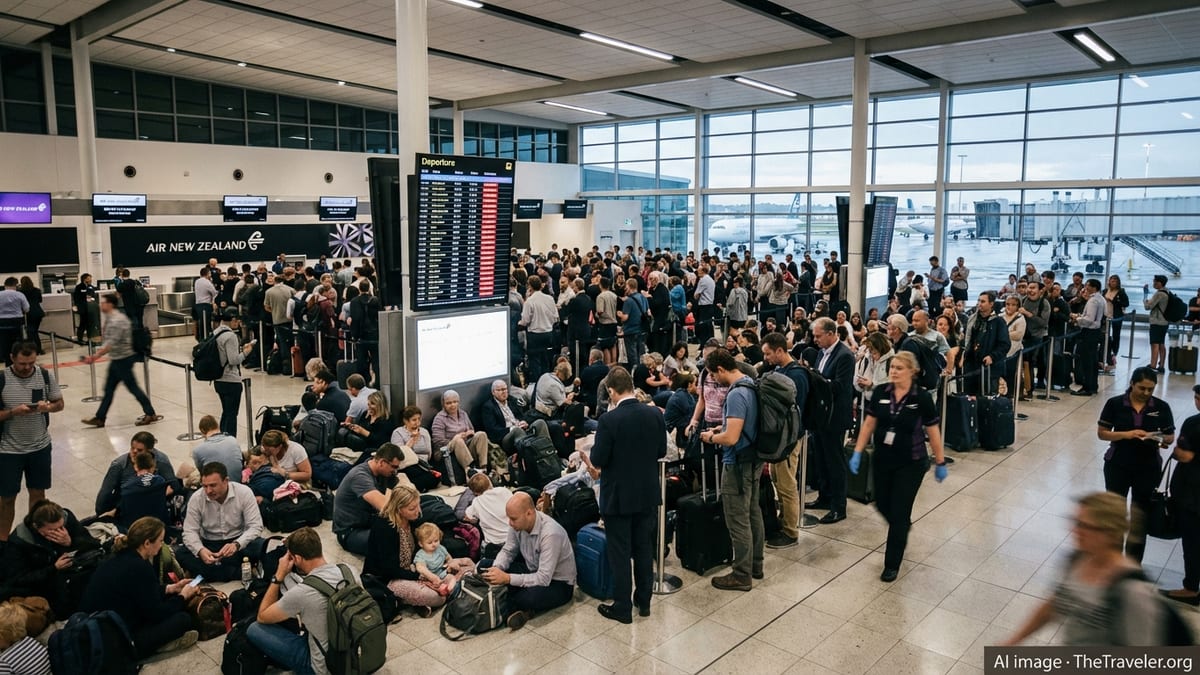
Hundreds of travellers across New Zealand faced hours of disruption as a wave of flight cancellations and delays swept through Christchurch, Wellington, Tauranga, Napier, Hamilton and other centres, with at least 24 services cancelled and more than 80 delayed across multiple airlines.
Get the latest news straight to your inbox!
Wave of Cancellations Across Key Regional Hubs
According to live airport boards and local media reports on 13 June 2026, a series of regional and trunk services were cancelled or heavily delayed across the country, affecting Air New Zealand, Sounds Air, Qantas and several codeshare partners. The disruptions were concentrated on short-haul domestic links connecting Wellington with regional centres such as Tauranga, Napier and Hamilton, as well as services in and out of Christchurch.
Across the main affected airports, at least 24 flights were listed as cancelled over the course of the day, with a further 88 showing delays ranging from 30 minutes to several hours. While some services were eventually able to depart after extended holds at the gate, others were removed from schedules entirely, forcing travellers to rebook for later in the day or the following morning.
Departure and arrival screens in Wellington and Tauranga showed multiple Air New Zealand regional services marked as cancelled, particularly turboprop links. Sounds Air, which operates a small regional network focused on Wellington and the upper South Island, also experienced interruptions on routes that rely on good visibility at both ends. Qantas and its partners, primarily operating trans-Tasman and domestic connections via codeshare, were affected where their itineraries depended on on-time regional feed.
The pattern of disruption left many passengers stranded midway through multi-leg journeys, especially those connecting from regional centres onto long-haul flights via Auckland, Wellington or Christchurch. With limited spare capacity on later services, rebooking often meant lengthy waits in terminal departure lounges.
Weather, Low Cloud and Knock-On Delays
Publicly available information from airline advisories and airport operations indicated that a mix of adverse weather, low cloud and flow-on congestion lay behind the day’s problems. Several regions reported poor visibility and gusty conditions in the morning and early afternoon, triggering approach restrictions and spacing requirements that slowed traffic into already busy hubs.
As early services were pushed back or diverted, aircraft and crew found themselves out of position, compounding the impact on the afternoon and evening schedule. Even when conditions improved, airlines were left to juggle aircraft rotations and duty limitations, resulting in further cancellations on lower-demand sectors where recovery options were most limited.
In recent months, official on-time performance statistics for New Zealand domestic aviation have highlighted the vulnerability of regional turboprop networks to short-notice operational disruptions. When a run of services into a single hub such as Wellington or Christchurch is interrupted, knock-on delays can quickly spread across multiple spokes in the network, particularly on routes linking smaller airports such as Tauranga, Napier and Hamilton.
The June disruption followed a pattern familiar to frequent domestic travellers: an initial cluster of weather-related delays, followed by schedule thinning as airlines attempt to stabilise operations by cancelling selected flights and consolidating passengers onto remaining services.
Impact on Air New Zealand, Sounds Air and Qantas Customers
Air New Zealand, which dominates New Zealand’s domestic market, bore the brunt of the cancellations and delays across regional sectors. Many of the affected flights involved ATR and Q300 turboprop aircraft on high-frequency routes where travellers rely on same-day returns for business and essential travel. Passengers reported being rebooked onto later services or offered overnight accommodation where same-day options had already sold out.
Sounds Air, operating smaller aircraft and serving niche routes into Wellington and other regional points, faced additional challenges when visibility and wind conditions exceeded the operating limits of its fleet. With fewer backup aircraft and less network redundancy than larger carriers, even a single weather-affected rotation had a pronounced effect on the day’s timetable.
Qantas and its partners, while not the primary operators on many of the disrupted domestic legs, were impacted through missed connections and altered itineraries. Travellers booked on trans-Tasman services that relied on timely domestic feed from secondary cities reported being moved to alternative flights or, in some cases, advised to travel a day earlier or later to secure reliable onward connections.
Across all airlines, customer communication channels came under pressure. Online rebooking tools and mobile applications saw heavy demand as passengers attempted to rearrange their plans without joining long queues at service desks. Call centres also experienced spikes in wait times as travellers sought clarification on refund options, credits and accommodation arrangements.
Regional Airports Struggle With Capacity and Resilience
The disruption underlined the operational fragility of several regional airports, where limited runway configurations, modest terminal facilities and constrained ground handling resources can quickly become bottlenecks once schedules slip. Tauranga, Napier and Hamilton in particular have seen steady growth in recent years, yet still depend on tightly timed aircraft turns and coordinated ground operations to sustain frequent services to major hubs.
When multiple flights are retimed or held in quick succession, apron space and gate availability at these airports can become stretched, forcing further delays as aircraft wait for stands to open. In addition, smaller regional terminals offer fewer amenities and waiting areas, making extended delays more uncomfortable for passengers compared with the country’s larger international gateways.
Aviation analysts have previously noted that weather-related interruptions at one or two key airports can expose wider capacity constraints in New Zealand’s domestic network. On days when demand is already strong, there are few spare seats available to absorb passengers from cancelled flights, leading to a cascading effect as travellers are pushed into subsequent services over several days.
Some local commentators have called for increased investment in navigational aids, runway lighting and terminal infrastructure at busy regional airports to improve resilience, although such projects are long term and cannot fully eliminate operational challenges posed by New Zealand’s variable weather patterns.
Travellers Face Long Queues and Changing Plans
For passengers caught in the latest round of cancellations and delays, the disruption translated into missed events, rescheduled meetings and, in some cases, unexpected overnight stays. Families travelling at the start of school holidays and workers commuting between regional centres and the main cities were among those most affected.
Scenes at several airports included queues at airline service counters as travellers sought alternative flights, meal vouchers or accommodation assistance. Others opted to leave the terminals entirely, turning to rental cars or intercity buses in a bid to complete their journeys by road when flying no longer appeared reliable for the day in question.
Travel advisers recommend that passengers flying on days with unsettled forecasts build extra time into itineraries, particularly where same-day connections to international services are involved. Booking longer layovers, travelling on earlier flights and ensuring up-to-date contact details are stored in airline profiles can help reduce the risk of missed onward journeys and provide more options if schedules change at short notice.
With New Zealand’s domestic air network entering a traditionally busy winter period, travellers are likely to keep a close eye on forecast conditions and airport departure boards, mindful that even modest weather systems can trigger a chain reaction of delays and cancellations across the country’s interconnected regional routes.