


More news on this day
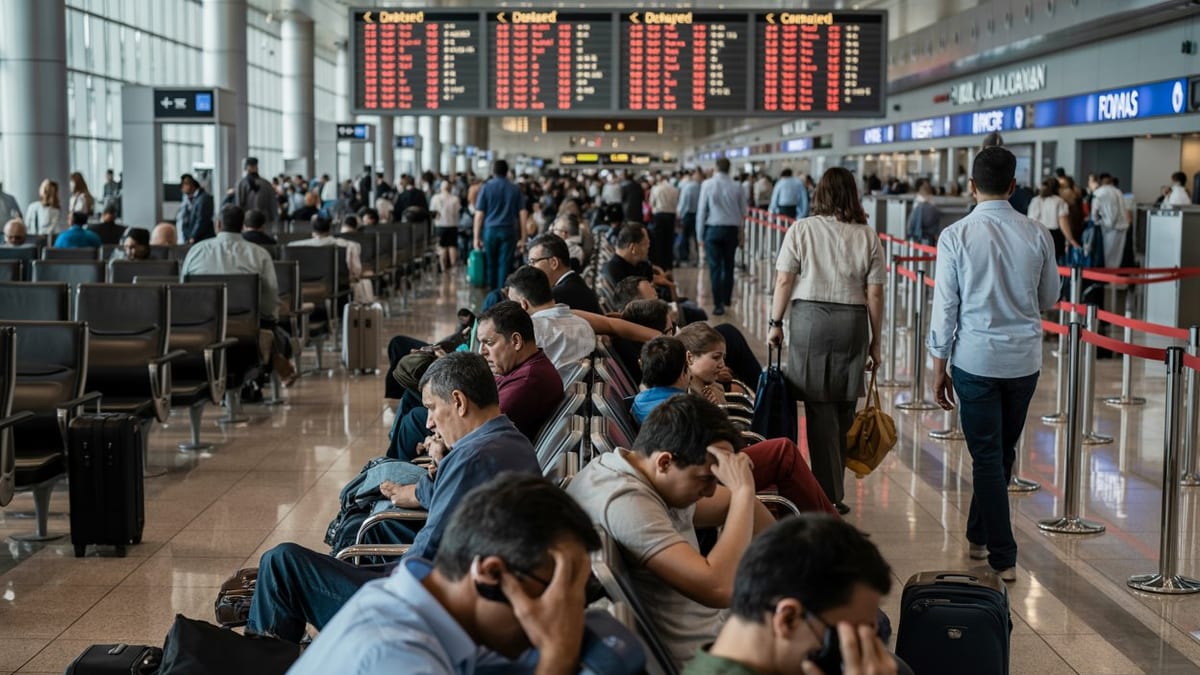
Hundreds of passengers were left stranded at Bogotá’s El Dorado and Cali’s Alfonso Bonilla Aragón airports after a wave of cancellations and long delays affected flights operated by Avianca, Air Canada, LATAM Colombia, Clic Air and several other carriers, according to real time tracking data and local media reports.
Get the latest news straight to your inbox!
Dozens of Cancellations and Delays Across Key Colombian Routes
Real time airport boards and independent flight tracking platforms showed an unusual cluster of disrupted services on routes linking Bogotá and Cali with domestic and international destinations, with multiple flights listed as cancelled, heavily delayed or rescheduled. The disruption appeared to build through the morning and afternoon peak on June 9, with knock on effects into evening departures.
Publicly available schedules between Bogotá and Cali, one of Colombia’s busiest air corridors, already indicate dense traffic shared by Avianca, LATAM Colombia and regional operators such as Clic Air. When several rotations on this trunk route are delayed or cancelled on the same day, it rapidly cascades into missed connections for onward services to other Colombian cities and international hubs in North and South America.
Monitoring tools that aggregate departure and arrival status at El Dorado and Alfonso Bonilla Aragón show a pattern of pushed back departure times, rolling delays and occasional last minute cancellations affecting a mix of domestic shuttles and long haul connections. Air Canada codeshare services operated by partner airlines on routes such as Bogotá to Santiago and other regional gateways were also reported as disrupted, compounding the difficulties for through passengers.
While the total number of affected flights fluctuated through the day, data snapshots from airport dashboards pointed to more than a dozen cancellations and numerous delays touching multiple carriers, leaving large groups of travellers waiting in terminal areas for rebooking or updated information.
Operational Strain and Aircraft Availability Under Scrutiny
Although airlines and airport authorities did not immediately issue a single, unified explanation for the spike in disruption, available information suggests a combination of operational and fleet related pressures. Airlines serving Colombia, including Avianca and LATAM, rely heavily on narrow body Airbus aircraft for short and medium haul routes, and recent industry wide maintenance campaigns have tightened spare aircraft availability.
Earlier industry coverage highlighted how inspections and hardware updates on certain Airbus A320 family jets forced operators across Latin America to rotate aircraft out of service for unscheduled checks. Publicly accessible discussions among passengers and aviation observers in recent months have repeatedly linked those fleet constraints to higher rates of schedule changes, particularly on busy regional routes where aircraft are turned quickly between flights.
When aircraft and crew are tightly scheduled, even modest technical issues, weather holds or air traffic flow restrictions can trigger chains of late departures and missed connections. Once the morning wave of operations is disrupted on a hub and spoke network centered on Bogotá, subsequent rotations throughout the day become increasingly difficult to recover without spare capacity, which may help explain the concentration of delays now visible on Colombian routes.
Regional carriers such as Clic Air, which operate turboprop fleets from bases including Bogotá and Cali, can also be vulnerable to shortages of spare parts or maintenance slots, further limiting flexibility in the event of technical snags or crew availability problems.
Passengers Face Long Lines, Missed Connections and Uncertain Rebooking
Images and descriptions from travellers on social platforms pointed to long queues at check in counters and customer service desks in both Bogotá and Cali as passengers sought rerouting, hotel vouchers and information about their itineraries. Some described families waiting several hours to receive clarity about replacement flights after their original departures showed as cancelled or extensively delayed on airport displays.
Reports from recent months already documented frustration with customer service response times at certain airlines serving Colombia, particularly when passengers attempt to change or cancel tickets through call centers or digital channels. The latest wave of cancellations and delays appears to have revived those complaints, with travellers saying that limited in person staffing and slow online assistance made it difficult to secure timely rebooking, especially for those with imminent international connections.
For foreign visitors connecting through Bogotá or Cali to destinations elsewhere in Latin America, missed onward flights raise additional concerns about visa rules, missed tours and non refundable hotel reservations. Travel blogs and consumer forums have repeatedly advised passengers in the region to build longer connection buffers when transiting through busy Colombian hubs because of the risk of operational disruptions similar to those seen this week.
Travel insurers and passenger rights advocates often recommend that affected travellers keep detailed records of boarding passes, delay notifications and receipts in order to support later claims for compensation or reimbursement where local regulations allow. However, the complex mix of domestic and international itineraries, codeshare flights and differing legal regimes can make redress challenging in practice.
Regulatory Context and Passenger Rights in Focus
The latest disruption is reigniting interest in how Colombian and international regulations protect air travellers when schedules break down. Public guidance from aviation regulators in the Americas typically outlines minimum standards for assistance in cases of extended delays, cancellations or involuntary rebooking, although the level of compensation can vary widely depending on whether the route is domestic or international and which country’s laws apply.
Colombian consumer protection rules set obligations for airlines to provide basic care such as refreshments, communication support and accommodation in certain circumstances, particularly when the cause of disruption lies within the carrier’s control. Legal and consumer advice sites note, however, that weather events, air traffic control restrictions and certain technical issues may be classified as extraordinary, limiting direct financial compensation in some cases.
For flights that involve carriers such as Air Canada, which operate to and from jurisdictions with their own passenger rights frameworks, the picture can become more complex. Publicly available information from regulators in Canada, the United States and the European Union describes separate regimes for compensation, alternative transport and refunds, all of which may intersect on multi segment trips that begin or end in Colombia.
Travel specialists often encourage passengers caught in widespread disruption to seek written confirmation of the reason for a cancellation or delay and to check both the operating carrier’s contract of carriage and any applicable national regulations before submitting formal complaints or claims.
Advice for Travellers Heading Through Bogotá and Cali
With airlines working to clear backlogs and reposition aircraft, schedules at Bogotá and Cali may remain unstable over the short term. Industry analysts note that once extensive delays take hold during a peak travel period, recovery can stretch over several days as crews reach duty time limits and aircraft are redistributed to cover the most critical routes.
Air travel experts commonly advise passengers with upcoming flights through these Colombian hubs to monitor their bookings closely using official airline apps and airport status boards, checking repeatedly in the 24 hours before departure. Where possible, travellers are encouraged to reconfirm transit connections and consider earlier departures to protect long haul links that may be harder to rebook at short notice.
For those already stranded in terminals, consumer advocates suggest remaining in the official rebooking queues and, at the same time, exploring additional options through airline call centers or online chat to secure alternatives more quickly. Travellers are also urged to verify any out of pocket expenses that might be reimbursable later, particularly for meals and overnight stays caused directly by cancellations or lengthy delays.
Although carriers including Avianca, Air Canada, LATAM Colombia, Clic Air and others are gradually restoring services, the events in Bogotá and Cali highlight the continuing fragility of airline operations in a period of tight fleet availability and strong demand. For many passengers left sleeping in airport chairs or scrambling to salvage holiday plans, the experience is likely to reinforce calls for clearer communication and more robust protection when flights do not depart as planned.