


More news on this day
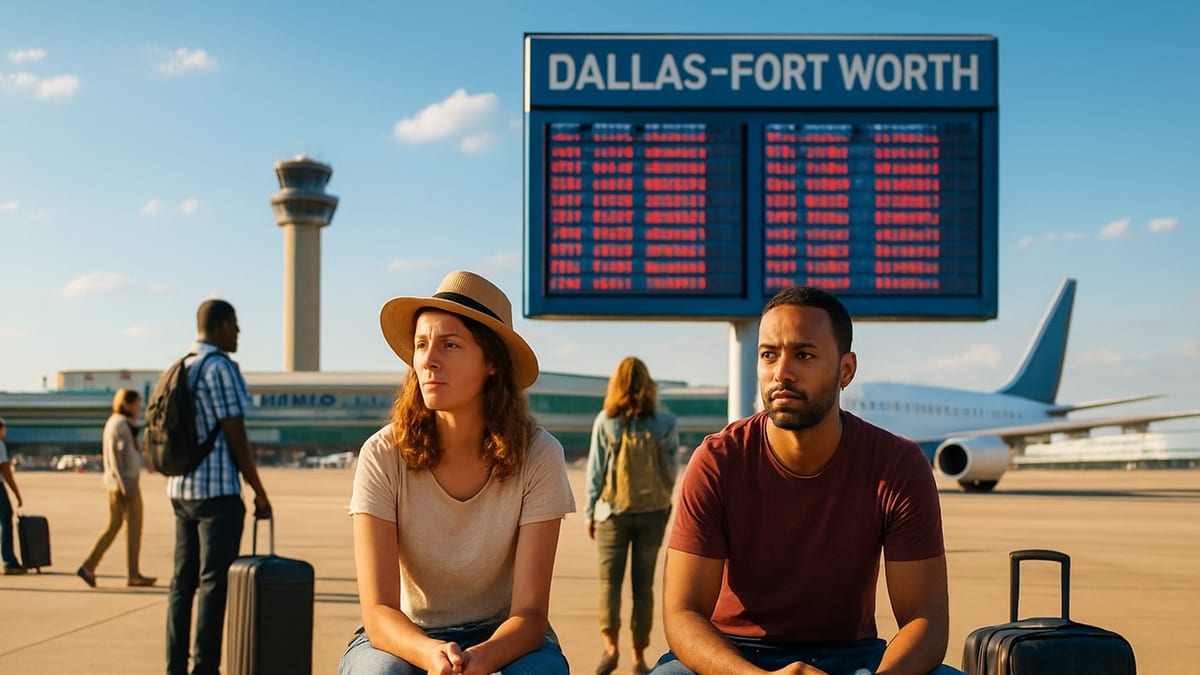
Severe weather, tight airline schedules and a heavily used hub network have combined to leave hundreds of passengers stranded at Dallas Fort Worth International Airport and Orlando International Airport in recent days, as cancellations ripple across the US system and frustrate spring travelers.
Get the latest news straight to your inbox!
Weather shocks expose vulnerable hubs
Recent winter and early spring storms have repeatedly disrupted some of the country’s busiest airports, with Dallas Fort Worth (DFW) and Orlando International (MCO) among the hardest hit. A major winter system in late January 2026 led to hundreds of cancellations at DFW in a single day, while a separate stormy pattern over Florida in early April produced a wave of disruptions at Orlando and other regional airports. Publicly available data from tracking services shows that severe weather remains the primary trigger for large scale cancellations, even outside the traditional peak of winter.
In North Texas, freezing rain and snow linked to a multiday winter storm forced airlines to thin their schedules in advance to avoid aircraft and crews becoming trapped out of position. Dallas Fort Worth, a fortress hub handling thousands of daily flights, saw a disproportionate share of cancellations that then cascaded across the national network as connections failed to materialize. Reports indicate that some long haul departures from DFW were scrubbed for multiple days in a row, leaving travelers searching for scarce seats on alternative routings.
Orlando has faced a different but equally disruptive pattern. Thunderstorms, heavy rain and strong winds have repeatedly slowed operations since March, compounding the pressure of spring break demand. Recent coverage of April operations describes nearly 200 delayed flights in a single day at MCO and a smaller but still significant number of outright cancellations, with knock on effects for flights to and from major hubs including Dallas. The combination of weather and congestion has stretched airport facilities, with long lines at rebooking counters and crowded gate areas.
Federal data on cancellations underscores how sensitive these big hubs are. Dallas Fort Worth has consistently ranked among the US airports with the highest number of flight cancellations in recent years, reflecting both its size and exposure to disruptive storms. Orlando, while not at the very top of the list, regularly appears in national delay and cancellation tallies during peak leisure periods and active storm cycles.
How cancellations strand hundreds in hours
At large hubs like DFW and Orlando, the sheer number of connecting passengers means a single burst of cancellations can quickly strand hundreds of travelers. Airlines design schedules around tight aircraft turns and complex connection patterns. When a cluster of flights is canceled because of weather, those carefully planned links break down, often with little redundancy left to absorb the disruption.
Passengers are particularly vulnerable on days when storms hit during peak travel periods. Morning cancellations at a hub reduce the pool of aircraft and crews available for later flights, making it harder for airlines to execute recovery plans. Publicly available flight tracking data from recent storms shows that once cancellations at DFW and Orlando reach triple digits, delays and additional cancellations frequently continue into the following day as airlines reposition aircraft and crews.
Another factor is aircraft and crew duty rules. When storms halt operations for hours, pilots and flight attendants may time out under safety regulations, even if weather later improves. That can leave an aircraft and passengers ready to go but without an available crew, forcing an additional cancellation. Recent social media accounts from travelers at DFW describe waiting many hours at the gate only to have flights canceled late in the day because relief crews could not be assembled in time.
For passengers, the result is often an involuntary overnight stay with limited hotel availability, long lines for assistance and uncertainty about when a new seat will open up. Because many spring flights into Orlando and through Dallas are already running near full, the next available confirmed booking can be one or two days away, especially for larger families or those heading to popular vacation destinations.
What stranded travelers can do immediately
Travel advocates and consumer advisers consistently point to one crucial step when cancellations begin to mount at hubs like DFW and Orlando: move quickly. As soon as a flight shows a significant delay or an airline issues an alert hinting at potential cancellations, travelers are urged to use airline apps, websites and call centers simultaneously, rather than waiting in a physical line at the airport. Seats on remaining departures are a limited resource and are often snapped up within minutes of a major schedule change.
Rebooking through alternate airports can also help. North Texas passengers, for example, may find faster options by accepting routings through nearby airports when airlines permit it, including flights from Dallas Love Field or other regional fields within driving distance. Travelers in central Florida sometimes gain better options by considering Tampa or smaller regional airports if ground transportation is feasible. Publicly available guidance from airlines and travel insurers emphasizes that flexibility on departure time, routing and even destination can significantly shorten a disruption.
Keeping documentation organized is essential. When cancellations are not weather related, some carriers may offer meal vouchers, hotel assistance or additional compensation. For weather driven cancellations, US rules do not require airlines to provide financial compensation, but many carriers still supply hotel discounts or limited vouchers depending on status, fare type and internal policies. Travelers who keep digital copies of receipts, boarding passes and airline communications are in a stronger position to request reimbursement or goodwill credits afterward.
Observers also note the value of preparing for a potential overnight stay even on short trips. Having basic toiletries, medications, a change of clothes and device chargers in carry on bags can make a long delay or forced overnight much more manageable. With airports like DFW and MCO prone to sudden storms at certain times of year, a minimal contingency kit has become a practical part of domestic US air travel.
Key rights and policies passengers should understand
US regulations give passengers fewer automatic rights during disruptions than some international regimes, but there are still important protections to understand when cancellations strand travelers at Dallas Fort Worth, Orlando and other hubs. For domestic itineraries, airlines are required to offer either a refund when a flight is canceled and the passenger chooses not to travel, or rebooking on the next available service operated by that airline. The precise definition of a significant schedule change can vary by carrier, so travelers are encouraged to check the specific contract of carriage for the airline involved.
Publicly available information from the US Department of Transportation highlights that compensation for weather related cancellations is generally not mandated. When the primary cause is severe weather or air traffic control restrictions linked to storms, airlines can classify the event as outside their control. In those cases, they often focus on rebooking rather than hotel and meal support, although some may still provide assistance on a case by case basis. Travelers should not assume entitlement to cash compensation for weather driven disruptions, even when they have been stranded for many hours.
When cancellations are due to mechanical problems or staffing issues, policies are often more favorable to passengers. Several major US carriers publish customer service commitments stating that they will provide hotel accommodation or meal vouchers when disruptions are within the airline’s control. These commitments differ by airline, and coverage from consumer groups stresses the importance of confirming whether a cancellation has been coded as weather related or operational, because that classification often determines what help is offered at DFW, Orlando and other airports.
Travel insurance and credit card protections can also fill crucial gaps. Policies that include trip interruption coverage may reimburse additional hotel nights, meals and ground transportation when flights are canceled, including for severe weather events. Some premium credit cards automatically include similar benefits when tickets are purchased with that card. However, these protections usually require prompt documentation and claims, making it important for stranded travelers to save receipts and keep a record of communications with their airline.
How to plan upcoming trips through DFW and Orlando
With severe weather and congestion repeatedly affecting Dallas Fort Worth and Orlando, many travelers with upcoming trips are reassessing their plans. Industry data and recent disruptions suggest a few strategies that can reduce risk, even if cancellations cannot be avoided entirely. Morning departures are often more resilient because aircraft and crews have typically overnighted at the origin airport, leaving them less exposed to knock on delays from earlier flights. Booking earlier flights out of DFW or MCO can therefore provide more backup options if a first attempt is canceled.
Choosing longer connection times is another practical step, particularly when itineraries involve a change of planes at major hubs already known for weather volatility. A buffer of two to three hours between flights at DFW or Orlando gives travelers more room to absorb delays without missing onward legs, and may open up same day alternatives if a first flight is canceled. Travel planning tools and airline booking engines now allow passengers to sort and filter by connection time, making it easier to avoid tight links that are vulnerable during storms.
Some travelers are increasingly willing to pay slightly more to avoid known bottlenecks during high risk months. For example, routing through a different hub instead of connecting at DFW in the heart of winter, or selecting a nonstop to a nearby airport rather than connecting through Orlando during peak thunderstorm season. Analysts note that while these choices may add time or cost up front, they can significantly reduce the chance of being stranded when the network comes under stress.
Ultimately, recent disruptions at Dallas Fort Worth and Orlando highlight how quickly the US air travel system can seize up when severe weather collides with tight schedules and crowded airports. Travelers who understand the patterns at these hubs, know their rights and prepare flexible backup options are better positioned to navigate the next round of cancellations that spring and summer may bring.