


More news on this day
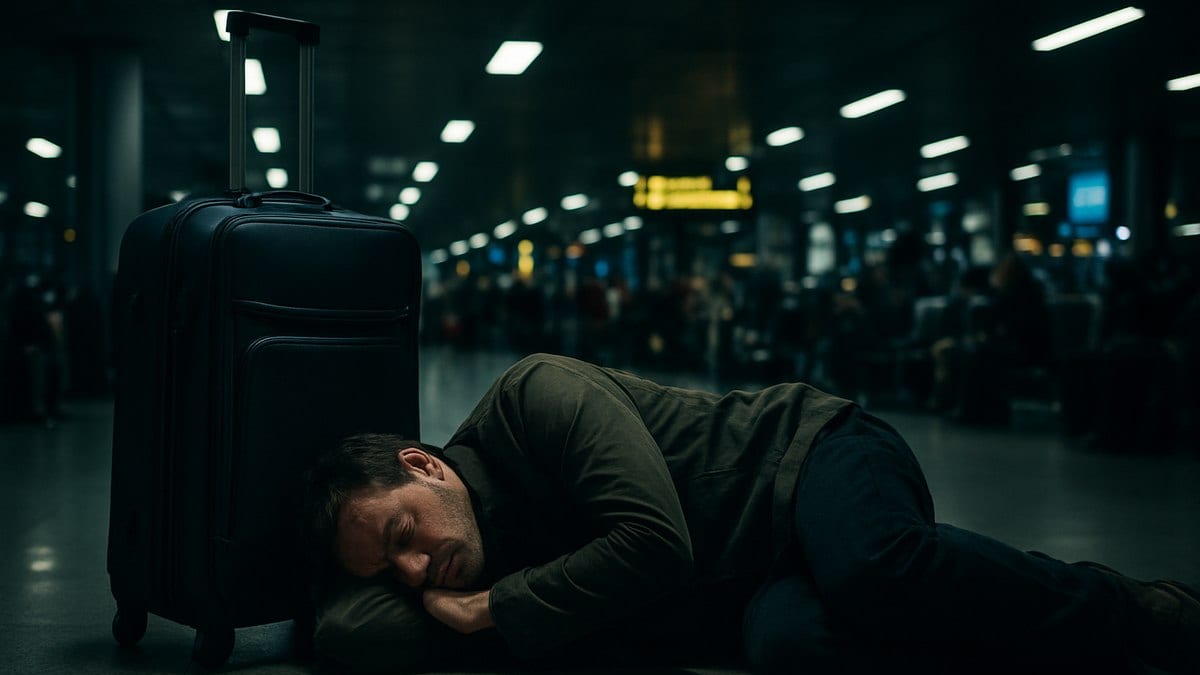
A wave of strike action at Lufthansa has left hundreds of Nigerian passengers stranded at major German airports, with many forced to sleep on terminal floors after long-haul flights to and from Nigeria were cancelled or severely delayed.
Get the latest news straight to your inbox!
Strike halts operations on key Nigeria routes
Published reports indicate that a recent wave of industrial action involving Lufthansa pilots and cabin crew brought operations at Frankfurt and Munich to a near standstill, disrupting a significant share of the airline’s long-haul schedule. Frankfurt and Munich serve as primary gateways for Nigerian travelers connecting between Europe and destinations such as Lagos and Abuja, meaning cancellations there quickly cascaded onto West African routes.
Coverage from aviation and Nigerian outlets describes a sharp cut in capacity, with hundreds of flights cancelled across the network on the peak strike days. At Frankfurt, where Lufthansa operates its largest hub, services to Lagos and Abuja were among those affected, leaving outbound passengers unable to depart and inbound travelers unable to complete onward journeys to Nigeria.
As aircraft and crew fell out of position, disruptions mounted for passengers who had already begun multi-leg trips. Connections from cities such as London, Paris and Amsterdam feeding into Lufthansa’s Nigeria services were hit by last-minute cancellations, creating bottlenecks around the German hubs and leaving many travelers with no immediate way to reach West Africa.
The knock-on effects extended to partner and codeshare flights as well. Publicly available schedules showed limited spare capacity on alternative carriers at short notice, especially for travelers holding economy-class tickets originating in Nigeria or connecting to secondary cities beyond Lagos and Abuja.
Passengers report overnight stays on airport floors
According to Nigerian media coverage, some travelers heading to Lagos from Frankfurt described scenes of crowded gate areas and departure halls as flights were scrubbed with little warning. With local hotels quickly booked and rebooking queues stretching for hours, many passengers reportedly resorted to sleeping on benches or the floor while awaiting updates on new itineraries.
Images shared via social media and referenced in local reports showed families resting on blankets and luggage carts pushed together into makeshift beds. Among those stranded were elderly travelers, students returning home and business passengers who had timed trips to coincide with meetings, weddings and other fixed events in Nigeria.
Publicly available accounts indicate that communication was a major source of frustration. Some travelers reported receiving cancellation notifications only after arriving at the airport, while others said they learned of the strike from announcements at the terminal rather than through airline messaging or their booking channels.
For passengers who did manage to secure hotel vouchers or meal coupons, long lines often meant further waits before they could leave the terminal. Those without immediate support, including some travelers connecting on separate tickets, were left to make their own arrangements for accommodation and food during the disruption.
Union dispute centers on pay and working conditions
Reports from European labor and aviation sources indicate that the strike action was driven by an ongoing dispute between Lufthansa management and unionized flight crews over pay scales, working hours and inflation-linked adjustments. Cabin crew and pilot groups have argued that rising living costs and strong post-pandemic demand justify higher wages, while the airline has cited pressure from fuel expenses and broader economic uncertainty.
The latest stoppage followed several earlier warning strikes at German airports, part of a pattern of labor unrest across Europe’s transport sector in recent years. Analysts note that walkouts at major hubs such as Frankfurt and Munich have an outsized impact on long-haul markets, particularly in regions like West Africa where alternative non-stop options are relatively limited.
Aviation commentators also point out that hub-and-spoke carriers are particularly vulnerable when disruptions occur at their primary bases. When a large share of flights is cancelled at a central node, aircraft rotations and crew schedules across the network are quickly affected, reducing the ability to protect connecting passengers such as those traveling between Nigeria and Europe.
Publicly available data on the strike suggests that negotiations between the airline and unions remain ongoing, and further action has not been ruled out. For Nigerian travelers who rely on the Germany–Nigeria corridor for business, education and family visits, the prospect of additional walkouts adds a layer of uncertainty to future trips.
Nigerian travelers face financial and logistical fallout
The disruption has carried financial consequences for many Nigerian passengers. Local coverage highlights missed business engagements, forfeited hotel bookings and additional visa or ticket costs for those forced to reroute at short notice. Travelers with tight travel budgets have been particularly exposed when alternative flights on short notice commanded significantly higher fares.
Passenger rights specialists note that European regulations provide for care and assistance when flights are cancelled, including meals, refreshments and accommodation where necessary. However, reports from Frankfurt and Munich suggest that in practice, accessing these entitlements proved challenging amidst the volume of affected passengers and limited staffing at service desks.
Some travelers have turned to travel insurance and their booking agents to recover costs, while others are expected to pursue compensation claims once they return home. Consumer advocates stress that Nigerian passengers starting or ending their journeys in the European Union are often entitled to the same protections as EU residents, but awareness of these rights remains uneven.
For travelers originating in Nigeria, downstream impacts included challenges rebooking domestic flights and ground transport once they eventually arrived. Missed connections to cities beyond Lagos and Abuja meant added nights in transit and extra spending on accommodation, food and local transfers that were not always covered by airline support.
What stranded passengers can do next time
Travel industry advisors suggest several steps that Nigerian passengers can take to reduce disruption during future labor disputes in Europe. Monitoring flight status closely in the days before departure, particularly on routes involving major German hubs, is widely recommended. Many strikes are announced in advance, giving travelers a limited window to adjust plans or request voluntary rebooking before schedules begin to unravel.
Booking on a single ticket for the entire journey, rather than separate segments, can also improve protection, as it makes the operating airline responsible for getting passengers to their final destination. In situations similar to the recent Lufthansa strike, that can translate into earlier access to rebooking on partner carriers or priority for remaining seats on operating flights.
Experts further advise that travelers retain receipts for any out-of-pocket expenses incurred during disruptions, such as meals, hotels and local transport. Detailed records can strengthen later claims with airlines, insurers or credit card providers. Passengers are also encouraged to familiarize themselves with basic passenger rights frameworks that apply on routes between Nigeria and Europe.
While such precautions cannot fully offset the impact of a large-scale strike, they can help Nigerian passengers navigate the kind of chaotic scenes recently witnessed at German airports, and may reduce the likelihood of another night spent sleeping in a departure hall far from home.