


More news on this day
Passengers on a Carnival cruise out of Galveston witnessed an unexpected nighttime drama this week when the ship diverted in the Gulf of Mexico to rescue a stranded sailor and his cat from a disabled sailboat.
Get the latest news straight to your inbox!
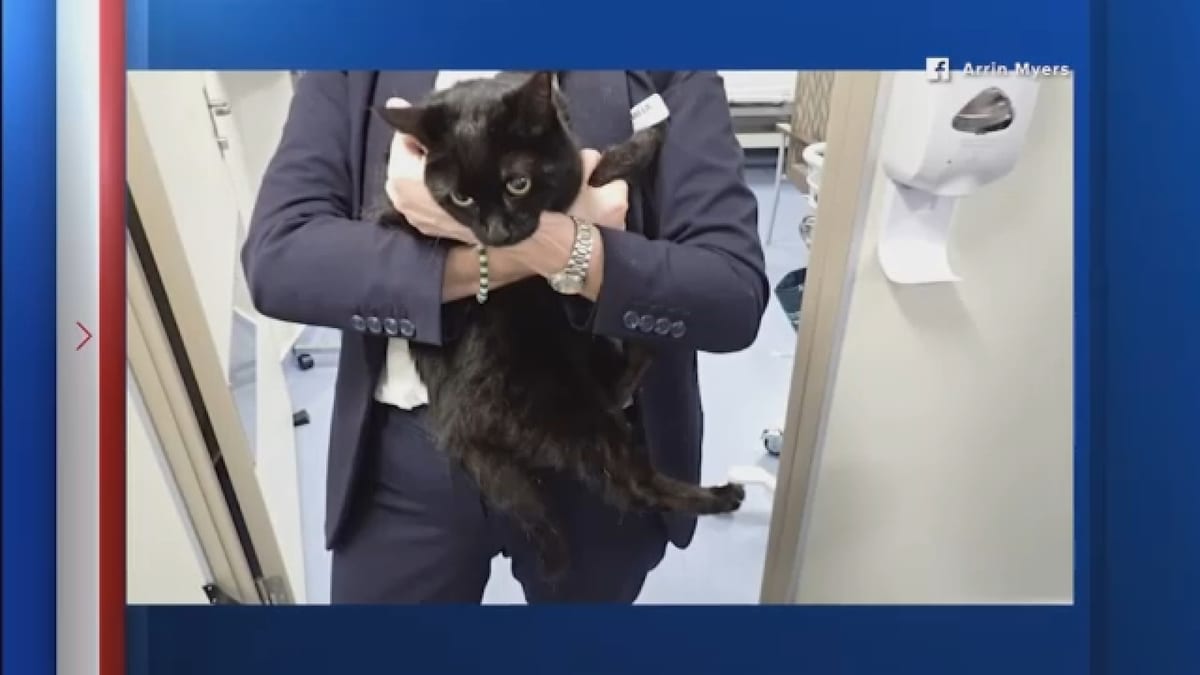
Nighttime Rescue on Route to Cozumel
Publicly available information indicates the incident occurred on Tuesday night, April 14, as the Carnival Legend sailed from Galveston, Texas, toward Cozumel on a 10 day Western Caribbean itinerary. The ship had departed Galveston on April 13, crossing the Gulf of Mexico on its first sea days when crew members noticed signs of distress from a small sailing vessel.
Reports describe the sailboat as adrift in choppy waters in the Gulf, off the coast of Mexico, with limited power and lighting. The sailor on board had been relying on emergency flares and visual signals in an effort to attract passing traffic. As the cruise ship drew closer, crew on the bridge and on deck were able to identify the source of the flares and prepare for a rescue operation.
Cruise industry coverage notes that the Carnival Legend slowed and altered course to close the distance to the smaller craft before launching one of its rescue boats. Passengers watching from exterior decks and cabin balconies filmed the maneuver, capturing the glow of searchlights sweeping the water as the tender moved toward the disabled sailboat.
Video shared on social media shows the rescue boat approaching the yacht in the dark as waves broke against the hulls of both vessels. After several minutes alongside, the tender returned to the cruise ship with two visible figures on board: the sailor and his black and white cat, later identified in coverage as Dahlia.
Four Days Adrift for Sailor and Cat
Accounts compiled from local and national outlets indicate the sailor had been drifting for approximately four days before the Carnival ship spotted his emergency flares. The sailboat reportedly suffered an engine failure that left it without propulsion in a busy shipping area of the Gulf. With limited options, the sailor relied on emergency signaling equipment and patience, waiting for a vessel close enough and capable of rendering assistance.
During that period, the man and his cat are reported to have remained on board the sailboat as it drifted in changing sea and weather conditions. While details of their onboard supplies have not been fully outlined in public reporting, descriptions emphasize the vulnerability of a single small craft in open water compared with the scale and resources of a modern cruise ship.
Observers note that the successful outcome underscores how quickly a routine Gulf crossing can turn into a survival situation for recreational sailors when propulsion or navigation equipment fails. For travelers familiar with the well trafficked route between Galveston and Cozumel, the incident has served as a reminder of both the popularity of the corridor and the isolation that can set in when a boat is disabled far from shore.
Coverage of the rescue highlights the presence of the cat as a striking detail. Images shared by passengers show crew members carrying the animal in their arms once it arrived on board the Carnival Legend, with some posts describing the cat as appearing calm in the bright lights of the ship after days at sea.
Crew Training and Maritime Obligations in Focus
Industry reports on the incident frame the operation as an example of standard maritime practice. Commercial vessels, including cruise ships, are expected to assist any mariner in distress when they are in a position to help, provided it does not endanger the ship or its passengers. The Carnival Legend’s diversion to the drifting sailboat aligns with those long standing obligations for seafarers.
Commentary from cruise focused outlets points to the role of regular safety drills and training in preparing crew for such scenarios. Launching a rescue boat at night in open water requires coordination between bridge officers, deck teams, and medical staff, as well as careful maneuvering to maintain safe distance between a large cruise ship and a much smaller vessel.
Recent coverage of other rescues in the region, including previous operations by ships sailing out of Galveston, suggests that such responses are not isolated events but part of a broader safety culture at sea. In this case, the sailor and his cat were brought aboard the Carnival ship for evaluation and care, with reports indicating they were later transferred at the ship’s next scheduled port so local services could take over.
Analysts note that these episodes also serve as live demonstrations of safety messaging that passengers typically encounter only in muster drills and informational videos. For those on board, the rescue provided a real world example of how a cruise ship can pivot from leisure operations to emergency response in a matter of minutes.
Passenger Reactions and Viral Footage
Accounts compiled from social media posts and travel blogs show that many passengers on the Galveston based cruise gathered along the open decks once word of the rescue spread through the ship. Videos posted from balcony railings and promenade areas capture cheers and applause as the rescue boat returned alongside with the sailor and his pet.
Descriptions shared publicly refer to the scene as tense and emotional, particularly during the period when the rescue boat was operating in the dark at some distance from the ship. The combination of floodlights, engine noise, and rolling seas created what many onlookers described as an unexpectedly dramatic interlude in the middle of a scheduled vacation.
Clips and still images circulated widely in the days following the rescue, picked up by regional news outlets and cruise industry publications. In several of the widely viewed videos, passengers can be heard reacting as the rescued cat is lifted onto the cruise ship’s deck, turning the pair into an unlikely focal point for the story.
Travel commentators note that such passenger documented moments increasingly shape public understanding of maritime events. With nearly all guests carrying smartphones, significant incidents at sea now tend to be chronicled from multiple angles and shared quickly, adding human detail and immediacy to official accounts.
Galveston’s Role in Gulf Rescue Stories
The Carnival Legend rescue adds to a growing list of maritime assistance operations involving cruise ships homeported in Galveston. In recent years, ships sailing from the Texas port have been involved in several high profile responses to small vessels in distress while en route to Caribbean destinations such as Cozumel.
Maritime analysts point out that Galveston’s position at the edge of the Gulf, combined with the density of cruise and cargo traffic on established routes to Mexico and beyond, increases the likelihood that large vessels in the area will encounter recreational or migrant craft in difficulty. The April operation involving the stranded sailor and cat is one of the most recent examples of cruise ships stepping in to provide aid when smaller boats run into trouble.
As Galveston continues to expand its role as a major Gulf cruise hub, with multiple lines basing ships there seasonally or year round, observers expect that the port’s vessels will remain regular participants in maritime safety narratives. For travelers embarking from the island city, the latest rescue illustrates both the scenic appeal of a Gulf sailing and the enduring realities of life at sea.
For the rescued sailor and his cat, the Carnival Legend’s timely intervention turned a four day ordeal into a safe arrival on a much larger ship, concluding an episode that has quickly become one of the spring season’s most talked about cruise stories out of Galveston.