


More news on this day
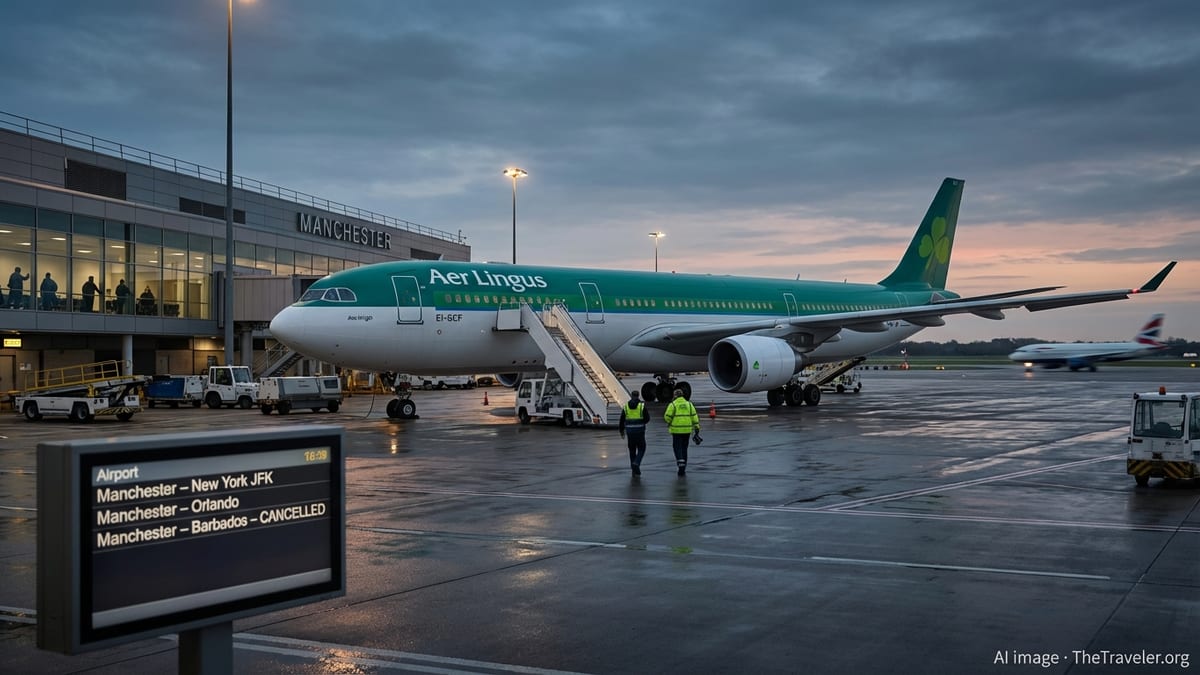
Manchester Airport experienced a scattered but noticeable pattern of flight delays on Wednesday 10 June 2026, as a mix of weather-related disruption, knock-on operational issues and a busy summer schedule affected services throughout the day.
Get the latest news straight to your inbox!
Morning departures feel the first ripple of disruption
Early services from Manchester on 10 June generally departed close to schedule, but disruption began to build as the morning peak progressed. Publicly available flight tracker data for the day indicate that short haul European routes were among the first to show signs of delay, with a cluster of departures leaving later than timetabled as conditions worsened and traffic intensified.
Information from real time tracking platforms shows that some mid-morning departures to major European hubs operated with modest hold ups, typically in the range of 15 to 40 minutes. While individually limited, these delays began to create pressure on turnaround times for aircraft scheduled to operate multiple rotations, raising the risk of further slippage as the day went on.
Capacity planning documents for the summer 2026 season show that Manchester operates with tightly timed departure waves in the early and late morning. That structure supports a high volume of traffic but leaves limited margin when even a small number of flights suffer operational or air traffic control disruption.
Weather and airspace issues add to midday delays
By late morning and into the early afternoon, reports indicate that weather in parts of northern England and busy surrounding airspace contributed to longer delays on selected departures from Manchester. Several services to continental Europe operated notably behind schedule as aircraft awaited slots or completed additional ground checks before leaving the gate.
Flight specific data for the day point to examples where departures that were scheduled around lunchtime left significantly later than planned. On some leisure routes into mainland Europe, departure times shifted by around an hour, compressing ground handling windows at destination airports and tightening the turnaround for the return legs back to Manchester.
Network performance reports for the wider European system in 2026 highlight that average departure delays at major airports can quickly escalate when weather or airspace constraints coincide with peak traffic. Manchester’s role as a key northern hub places it squarely within those wider flows, so even incidents occurring elsewhere in the region can translate into late running flights locally.
Afternoon flights see the heaviest single delays
The heaviest individual delays at Manchester on Wednesday 10 June were concentrated in the mid to late afternoon. Publicly accessible flight histories show that at least one leisure service from Manchester to the Adriatic region departed more than an hour behind schedule, following earlier indications of disruption on the same route on previous days.
On another route from Manchester to northern Italy, records show that an early afternoon departure pushed back around 75 minutes later than its scheduled time, after which the aircraft made up a small portion of the delay while en route. Although the flight ultimately arrived only slightly behind schedule, passengers at Manchester faced an extended wait at the gate and in the departure lounge.
These longer delays illustrate how even isolated operational issues can create visible disruption for travellers. When aircraft arrive late from previous sectors or crews reach the limits of duty time, airlines may need to adjust flight plans or substitute equipment, steps that tend to show up most clearly in the afternoon and early evening waves.
Knock-on effects from wider network events
The pattern of delays at Manchester on 10 June did not occur in isolation. Reports from the same week describe several weather and technical incidents elsewhere in UK and European airspace, including storms near Manchester the previous day and a separate long haul emergency diversion over northern England. These events can constrain available routings and departure slots, affecting aircraft that pass through the region or are scheduled to operate into or out of Manchester later in the day.
Although Manchester itself avoided large scale cancellations on 10 June, the combination of earlier disruption in the network and high utilisation of aircraft meant that airlines had limited flexibility. When aircraft and crews are tightly rostered, a relatively minor delay on a morning sector can propagate through subsequent rotations, especially on longer continental and holiday flights.
Industry data for recent seasons show that such knock-on effects are an increasingly common feature of busy travel days in Europe. Airports with strong leisure and low cost carrier traffic, such as Manchester, are particularly exposed because many routes operate only once daily, leaving few immediate alternatives for rebooking when schedules start to slip.
What passengers experienced on the ground
For passengers travelling from Manchester Airport on Wednesday 10 June, the delays translated into longer than expected waits at departure gates, tighter connections at onward hubs and, in some cases, late evening arrivals at resort destinations. Social media posts and community travel reports from the day highlight a mix of frustration and pragmatism among travellers who found themselves sitting on aircraft during extended waits for departure slots or lingering in terminal seating areas while revised boarding times were announced.
Published guidance from consumer and passenger rights organisations continues to stress the importance of building in additional time when travelling during busy summer periods. Checking airline apps frequently, enabling push notifications, and monitoring live departure boards can provide early warning of developing delays and allow travellers to adjust ground transport, parking and accommodation plans accordingly.
For now, Wednesday 10 June 2026 at Manchester appears as a day of scattered but noticeable disruption rather than a full-scale operational breakdown. However, the sequence of delays across the schedule serves as a reminder of how closely interconnected Europe’s aviation network has become and how quickly routine operations can be affected when several small factors align.