


More news on this day
Air travelers across the United States are facing another day of cascading delays as the first workday after the July 4 holiday period collides with storms, airport bottlenecks and record passenger volumes, straining airline schedules from coast to coast.
Get the latest news straight to your inbox!
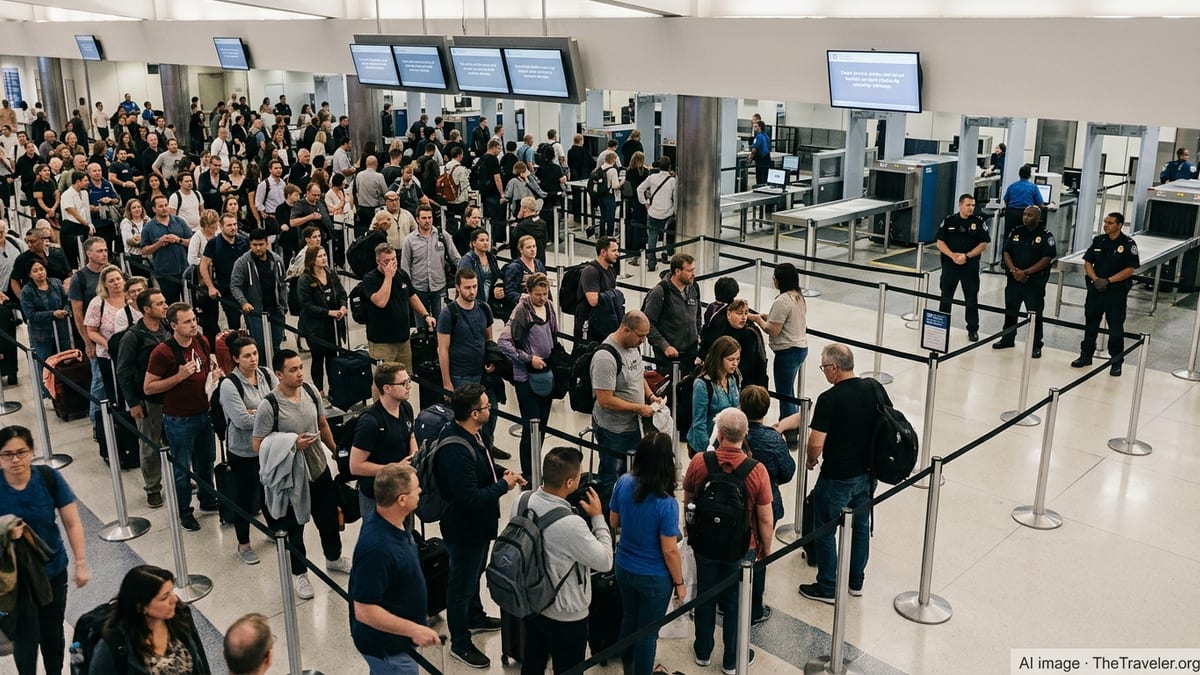
Nationwide disruptions cap record Independence Day travel
Publicly available tracking data for Tuesday, July 7, indicates that more than a thousand flights in the United States have been canceled and several thousand more delayed, placing the post-holiday travel day among the most disrupted of the summer so far. Reports point to a combination of severe thunderstorms, lingering operational hangovers from the long weekend and infrastructure issues at key hubs.
The post–Independence Day period was already expected to be intense. Travel organizations projected one of the busiest July 4 travel windows in more than a decade, with tens of millions of people on the move and millions booked on domestic flights. The surge has left airlines and airports with little recovery time when weather or technical issues arise.
Flight-status dashboards show that the burden is not confined to any single carrier. Large network airlines and their regional partners, along with several low-cost operators, are all reporting elevated disruption levels as they work through backlogs created over the holiday weekend.
For many passengers returning to work after extended breaks, the result has been longer-than-expected airport stays, missed connections and, in some cases, overnight delays as crews and aircraft fall out of position.
Storm systems and airspace constraints slow key East Coast hubs
The most acute pressure is being felt along the Northeast corridor, where a series of storm systems over the past 48 hours has slowed operations at some of the country’s busiest airports. Published coverage describes federal air traffic managers rolling out ground delay programs around New York City, limiting the flow of arrivals into major hubs including John F. Kennedy, LaGuardia and Newark.
Those metering programs, combined with lightning and heavy rain, have produced average delays of close to an hour or more at times, with ripple effects spreading through airline networks. When arrivals are spaced out and departure slots are limited, flights that do leave often do so behind schedule, creating knock-on delays at downline airports across the Midwest and South.
Philadelphia, Washington and Charlotte have also experienced slower operations as the same weather system has passed through, further compressing East Coast capacity on a day when demand is already high. With many long-haul and connecting itineraries built around these hubs, disruptions there can cascade into long waits for travelers far from the original storms.
Travel industry analysts note that these weather-driven slowdowns are colliding with leaner airline staffing and tighter schedules than in past years, reducing the flexibility carriers have to absorb shocks without significant delays.
Operational problems add to chaos at Boston, San Francisco and Seattle
Weather is not the only factor behind today’s disjointed operations. In Boston, a fueling system complication at Logan International Airport late Sunday and into Monday prompted a ground stop that left aircraft waiting for access to fuel and available gates. According to published reports, the outage forced cancellations and rolling delays that have spilled into the new week as airlines work to reposition aircraft and crews.
On the West Coast, a separate set of constraints has weighed on traffic into San Francisco International Airport. Ground delay programs there around the July 4 period, tied to airspace management and new landing restrictions, left hundreds of flights delayed on Monday. Recent analyses of airport performance data show average delay times at San Francisco have increased significantly this season compared with last year, magnifying the impact of any holiday surge.
Farther north, low clouds over the Seattle region earlier in the holiday period led air traffic controllers to increase spacing between arrivals at Seattle-Tacoma International Airport. That change contributed to dozens of delayed flights and set back aircraft rotation plans just as outbound holiday crowds were swelling. The lingering knock-on effects are still being felt in some schedules as airlines attempt to return to normal cadence.
These operational challenges illustrate how quickly even localized issues can ripple through national networks when travel volumes are near seasonal peaks. With many fleets running at or near full utilization, a disruption in one city can echo across multiple time zones for days.
Major carriers stretch resources as waivers and recovery efforts expand
Airlines have responded by issuing travel waivers on select routes and hubs, allowing some passengers to rebook without standard change penalties. Publicly available information from several major carriers shows waivers in effect for parts of the Northeast and Mid-Atlantic regions, reflecting the concentration of storms and airspace restrictions there in recent days.
Data compiled by travel news outlets suggests that certain carriers with a strong presence in the Northeast are bearing an outsized share of today’s cancellations, while large network airlines are reporting high delay counts across their hub-and-spoke systems. Regional affiliates have also been heavily affected, particularly on short-haul routes that depend on tight turnaround times and precise aircraft routing.
Industry observers point out that airlines entered the holiday period with high load factors and limited spare aircraft, a strategy that improves efficiency in normal conditions but leaves less margin for disruption. When flights go out full, rebooking stranded travelers becomes more difficult, and even modest schedule changes can result in passengers waiting hours for an open seat.
Recovery efforts are likely to extend into the midweek period as carriers reposition crews, clear maintenance backlogs and cycle delayed aircraft back into regular rotations. The pace of that recovery will depend heavily on whether fresh storms or new operational hurdles emerge in the coming days.
What travelers can expect as the week progresses
For travelers, today’s conditions underline how vulnerable post-holiday flights can be to compounding problems. With airports crowded and schedules tightly packed, minor delays early in the day can grow into major disruptions by evening when connection banks peak and aircraft are due to complete multiple legs.
Consumer advocates emphasize that passengers whose flights are canceled are generally entitled to refunds if they choose not to travel, although compensation for delays varies by airline and circumstance. Many carriers encourage customers to use mobile apps for real-time rebooking and gate updates, particularly on days when call centers and airport service desks are under heavy strain.
Travel planners note that some of the pressure may ease later in the week as holiday travelers return home and peak volumes subside, but warn that backlogs at maintenance facilities and crew bases can prolong irregular operations even after the skies clear. Larger hub airports that depend on tightly timed international arrivals and departures may need several days to fully untangle the effects of today’s disruptions.
As the summer peak continues, analysts expect airlines and airports to face repeated stress tests on busy Mondays and Fridays, especially around holiday periods. For now, the crowded scenes and packed departure boards on this post-July 4 Tuesday offer a reminder that even in a season of robust demand, smooth travel is far from guaranteed.