


More news on this day
Passengers using Kisumu International Airport on August 30 faced lengthy waits and missed connections after a series of delays hit morning and mid-day departures on the busy Kisumu–Nairobi corridor.
Get the latest news straight to your inbox!
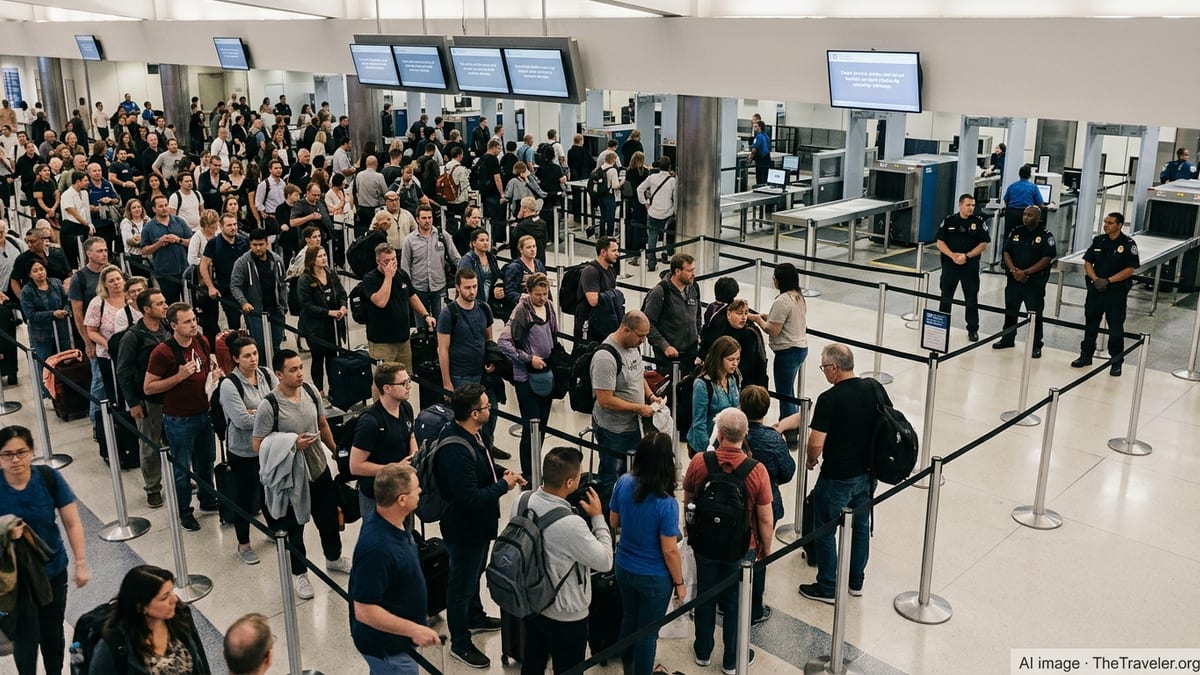
Delays ripple across Kisumu–Nairobi shuttle flights
Publicly available flight-tracking data for August 30 shows significant disruption on services linking Kisumu with Nairobi, a route that normally operates dozens of frequencies each week on carriers such as Jambojet and Kenya Airways. One Jambojet service coded JM8653, marketed jointly with Kenya Airways, departed Kisumu nearly two and a half hours behind schedule in the late morning before arriving at Nairobi’s Jomo Kenyatta International Airport early in the afternoon.
The affected flight, scheduled to leave Kisumu at 09:50 and land in Nairobi at 10:50 East Africa Time, is recorded as departing at 12:17 and arriving at 13:28. The extended delay meant passengers remained at Kisumu’s terminal through much of the morning, with a shortened window for onward domestic or regional connections once they eventually reached the capital.
Despite the disruption, tracking platforms list the flight as having completed its journey, indicating that operations at Kisumu and Nairobi remained open but under strain from schedule changes. Other recent services on the Kisumu–Nairobi route, including Jambojet’s evening JM8678 and additional frequencies catalogued by routing databases, underline how central this corridor has become for western Kenya’s air connectivity.
The delays at Kisumu follow a pattern of busy traffic on the route. Network compendiums published in late August indicate more than 50 weekly flights between the lakeside city and Nairobi, shared between carriers such as Jambojet, Kenya Airways and other domestic operators. This high frequency means even a small cluster of delayed departures can quickly cascade into crowded departure halls and longer queues at check-in and security.
National advisory highlights broader disruption across Kenyan airports
The issues at Kisumu are unfolding against a wider backdrop of operational challenges at airports around the country. On August 30, the Kenya Airports Authority (KAA) issued a public advisory noting that some departing flights from Kenyan airports were experiencing delays and urging travelers to check the latest status with their airlines before heading to the terminal.
According to published coverage of the advisory, the agency cited ongoing efforts to minimize disruption and keep passenger flows moving, while stopping short of attributing the delays to a single cause. The broad wording suggests a mix of operational factors that can commonly affect domestic schedules, including aircraft rotation, ground handling, weather variability, or congestion at key hubs.
In Nairobi, Jomo Kenyatta International Airport is currently undergoing a multi-year upgrade program, and travel guidance sites that track the project have noted that changes to terminals and access routes remain a standing consideration for passengers. While recent checks indicate that JKIA itself is open and operating on a normal schedule, infrastructure works can contribute indirectly to bottlenecks during peak periods.
Kenya’s aviation network has also contended with weather and infrastructural stress earlier in the year. Heavy rains and flooding in March affected transport in several counties, including Kisumu, while at one point leading to flight disruptions at JKIA. Those earlier events underscore the sensitivity of domestic air operations to both local and national-level shocks, even when airports remain physically open.
Kisumu’s growing role as a domestic hub magnifies the impact
Kisumu International Airport has steadily grown into a critical gateway for western Kenya, serving both domestic and limited international traffic. Government and airport-planning documents highlight the region around Kisumu and Eldoret as an area of strong demand growth, with expectations of rising passenger numbers and expanded frequencies over the next two decades.
For travelers, that expansion has translated into more daily options linking Kisumu to Nairobi, both on full-service operators and low-cost carriers. Schedules compiled by route analysis platforms in August show four airlines offering nonstop services between Kisumu and Nairobi, with over 50 weekly flights in each direction. This density positions Kisumu as a shuttle-style market, where reliability and tight turnarounds are central to passenger expectations.
When delays occur in such a high-frequency environment, the immediate effect is often felt most acutely by passengers with time-sensitive commitments in Nairobi, from same-day business meetings to onward flights on regional and long-haul networks. Missed or compressed connections at JKIA can lead to additional costs for rebooking and accommodation, particularly where tickets are not issued on a single itinerary.
Travel-rights platforms that monitor punctuality and compensation rules note that domestic delays within Kenya are usually governed by airline policies and contractual conditions, rather than the European-style statutory compensation frameworks that apply on certain international routes. As a result, travelers affected by the latest disruptions from Kisumu often rely on their individual carrier’s rebooking and support arrangements.
Recent safety alert and operational pressures add to passenger concern
The latest wave of delays comes only weeks after a separate incident involving a Jambojet service on the Nairobi–Kisumu route. In late July, local media in Kenya reported that a Jambojet flight from Nairobi to Kisumu aborted its takeoff after a system caution alert was detected, with passengers disembarking before the aircraft returned safely to the gate.
While that safety-related event concluded without injuries and involved a different sector of the corridor, its proximity in time to the current disruptions has kept attention on how Kenya’s domestic carriers manage both punctuality and safety margins as they serve increasingly busy routes. Jambojet is a wholly owned subsidiary of Kenya Airways and operates as a low-cost carrier, concentrating much of its network on the domestic market.
At the same time, the national aviation system has recently seen industrial-relations strains. Earlier this year, union activity in the sector prompted warnings of possible industrial action affecting key aviation organizations, including Jambojet, Kenya Airways and the Kenya Airports Authority. While the current delays at Kisumu have not been explicitly linked in public reporting to labor issues, such dynamics can contribute to a relatively fragile operating environment.
Passengers in Kisumu on August 30 therefore found themselves navigating an airport that is both central to Kenya’s domestic connectivity and exposed to a mix of operational, infrastructural and labor-related pressures. Extended waits in the terminal, uncertainty over departure times and concerns about missed onward flights combined to create a challenging travel day along the country’s most important western air corridor.
What stranded passengers can do when flights are heavily delayed
With delays affecting multiple departures from Kisumu, travelers face immediate practical questions: when they are likely to depart, how missed connections will be handled, and what support they are entitled to from airlines. Consumer-rights organizations that specialize in air travel advise passengers first to monitor live flight trackers and airline channels, where schedule changes are usually reflected earliest.
On domestic routes within Kenya, rebooking options typically depend on seat availability on later flights to Nairobi or alternative carriers operating the same corridor. The high frequency of Kisumu–Nairobi services under normal conditions can provide some flexibility, although peak loads and knock-on delays may limit the number of immediately available seats.
Passenger-rights guides also emphasize the importance of keeping records of boarding passes, booking references and any written notifications of delay, particularly where travel insurance may cover consequential losses such as hotel stays or missed tours. For those on multi-leg international itineraries, coordination with the onward carrier or booking agent is often necessary to secure new connections once arrival times into JKIA become clear.
As of the afternoon of August 30, publicly available data showed that delayed flights from Kisumu were eventually reaching Nairobi, suggesting that the disruption was characterized more by extended waiting times than outright cancellations at this western hub. Even so, the experience served as a reminder of how quickly a combination of national advisories, operational pressures and route-specific delays can leave large numbers of passengers temporarily stranded in Kenya’s regional terminals.
FlightStats – JM*8653 Kisumu to Nairobi status
FlightConnections – Kisumu to Nairobi route overview