


On Istanbul’s Asian shore, Üsküdar is where everyday city life meets some of the Bosphorus’s most evocative views. Ferries glide in and out, locals linger in waterfront tea gardens and smoke curling from simit ovens mixes with sea air. For travelers, this is one of the best districts to taste the city in a slower, more local way. From long Turkish breakfasts in Kuzguncuk to simple tea in Çengelköy and sunset fish dinners with a bridge view, this guide breaks down where and how to eat in Üsküdar without falling into the usual tourist traps.
Get the latest updates straight to your inbox!
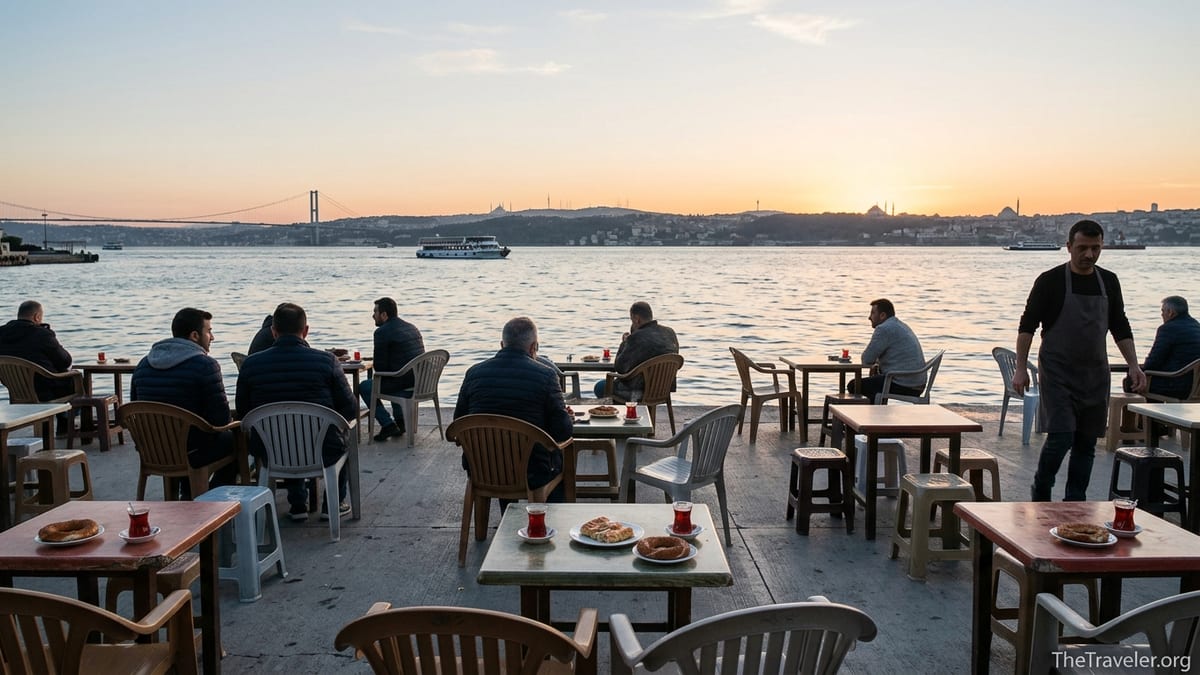
Understanding Üsküdar’s Food Scene
Üsküdar’s food culture is shaped by its role as a lived-in, residential district first and a sightseeing stop second. You will not find the dense clusters of English-language menus and touts that dominate Sultanahmet. Instead, you get family bakeries on side streets, neighborhood tea gardens on the promenade and pocket-sized lunch places hidden between mosques and apartment blocks. Expect less polished service than in the historic peninsula, but generally better value and more honest cooking.
The district stretches along the Bosphorus from the busy ferry square up to quiet neighborhoods like Kuzguncuk, Beylerbeyi and Çengelköy, each with its own flavor. Around Üsküdar Square you are in commuter country, with inexpensive pide houses, döner shops and dessert counters that serve people who actually work here. Walk 20 to 30 minutes north along the shoreline and the pace slows. In Kuzguncuk you find leafy streets with design-focused cafés, while Beylerbeyi and Çengelköy are classic waterside villages with historic mansions and low-key fish and breakfast spots.
Prices rise the closer you sit to the water. A tea on a bench-side stall a few streets back might be the equivalent of 0.50 to 0.70 euros, while the same glass in a waterfront garden can run two to three times that. Compared with Bosphorus venues on the European side, though, Üsküdar is still moderate. You are paying for the view and the atmosphere as much as the food, especially at sunset when the Maiden’s Tower, ferries and skyline all line up in one frame.
Most places in Üsküdar are built for locals, so you should not expect elaborate English explanations or laminated “tourist menus.” This is actually an advantage. If you learn a few basic words like kahvaltı for breakfast, çay for tea, balık for fish and hesap for the bill, you will have little trouble navigating menus and can more easily avoid venues that seem unusually eager to pull you in from the street.
Breakfast with a Bosphorus Breeze
Breakfast is when Üsküdar shines. On sunny weekends, families claim tables along the water for hours-long kahvaltı spreads. One of the most popular stretches is between Üsküdar and Kuzguncuk, where cafés like Katibim Cafe & Restaurant are known for serving Turkish breakfast on outdoor terraces with sea views rather than rushed hotel-style buffets. Expect a classic spread of white cheeses, olives, tomatoes, cucumbers, honey with clotted cream, menemen eggs and a basket of bread, typically priced per person. You may pay a bit more than in a backstreet lokanta, but you get the breeze and the skyline.
Kuzguncuk, a short bus or taxi ride from Üsküdar Square, has become a favorite breakfast destination for Istanbul residents. Spots such as Kuzgun Kahvesi offer extensive serpme kahvaltı platters in their garden and sidewalk seating, surrounded by brightly painted wooden houses. Reviews mention prices in the mid-range for Istanbul, on the order of what many visitors would consider a casual brunch in a European city, but portions are generous and the atmosphere is that of a lived-in neighborhood rather than a tourist zone.
Look for small gardens like Gule Kafe in the quieter side of Kuzguncuk if you prefer a slower, more intimate setting. Travelers report that owners often work the floor themselves, and breakfasts lean toward simple, mostly organic products: boiled eggs, village cheeses, olives, tahini with grape molasses and fresh herbs. These places are particularly appealing on weekdays when crowds thin, and you can linger over multiple glasses of tea without pressure to vacate your table.
If you want something lighter, bakeries and börek shops around Üsküdar center open early. A slice of su böreği and a glass of tea from a basic shop along the side streets behind the main square can easily cost less than a single pastry in a touristy European cafe. Grab it to go and eat on the waterfront promenade, where locals sit on low stools or the sea wall and watch morning ferries come and go.
Tea Gardens on the Waterfront
Üsküdar’s shoreline between the main square and Kuzguncuk is lined with tea gardens and municipal cafes where you pay modest prices for Bosphorus-front seating. Many of these spaces operate like open-air living rooms: plastic tables and chairs, a basic menu of tea, Turkish coffee, soft drinks and simple snacks such as french fries, grilled sucuk sausage or tost sandwiches. The point is to sit, chat and watch the bridges light up, not to work through a gourmet tasting menu.
In Kuzguncuk itself, Kuzguncuk Çınaraltı Cafe is a classic example. It sits practically on the water next to the ferry landing, shaded by its namesake plane trees. On weekend afternoons it can be packed with families and groups of friends ordering continuous rounds of tea, soda and simple breakfast plates. Travelers describe it as affordable considering the prime location, with many people spending a couple of hours for little more than the cost of a few drinks and maybe a plate of fries or simit.
A short stroll away, Kuzguncuk İskele Vapur Cafe occupies a restored ferry building right on the water. It is known as a calm, breezy spot where people bring books, sketch pads or laptops and stay for a while at tables overlooking the boats. Reviews emphasize that prices are intentionally kept reasonable by local standards so that residents, not just visitors, can enjoy the space. It is a good choice if you want the view without an upscale restaurant bill.
Further up and down the shore, you will find municipal or semi-municipal cafes with straightforward names and simple signage. These usually list prices clearly at the counter and often have no alcohol service. They are dependable places to cool off with iced tea in summer or warm up with sahlep in winter. If in doubt, glance at what people on neighboring tables are ordering. If most are drinking tea, do the same and treat the venue as a scenic break in your day rather than the main meal.
Kuzguncuk’s Cafés, Bakeries and Bookish Corners
Kuzguncuk has evolved into one of Üsküdar’s most atmospheric neighborhoods, known for its colorful wooden houses and a mosque, church and synagogue within a few minutes of each other. Its cafés reflect that same sense of coexistence and creativity. You will find everything from third wave coffee bars to bookshop cafés in repurposed Ottoman-era buildings, as well as a few spots that get busy after appearing in television series or on social media.
Name Kuzguncuk Cafe is one of the better known espresso-focused spots in the area, with a warm wooden interior and specialty coffee drinks. Rather than an elaborate kitchen, it concentrates on coffee and light snacks, making it a good stop mid-morning or after exploring the steep lanes leading up to Nakkaştepe Park. A similar audience finds its way to smaller places like Glow Coffee, which locals mention as a quiet work-friendly address for those with laptops and long reading lists.
For a more traditional, literary atmosphere, Nail Kitabevi Cafe occupies an elegant historic building in Kuzguncuk and combines a bookshop, cafe and cultural space. It hosts occasional talks and signings and serves simple drinks and cakes to a mix of students, writers and neighborhood residents. It is not a flashy “concept cafe,” and that is exactly its charm. You can browse shelves of Turkish and some foreign language titles, order tea in a glass and claim a seat by the window for an hour or two of people watching.
Even with growing popularity, Kuzguncuk still offers small, under-the-radar spots like Limonluk Kahvesi and Gule Kafe, tucked into side streets or gardens. These are places where you might share a courtyard with cats and neighbors rather than camera-toting day-trippers. As Kuzguncuk trends on social media at weekends, consider coming early in the day or on weekday afternoons to experience more of its local rhythm and to find a table without waiting.
Fish Restaurants and Bosphorus-View Dining
Eating fish by the Bosphorus is a classic Istanbul ritual, and Üsküdar offers some of the better ways to do it without paying the highest premiums found on the European shore. Many local diners caution that any restaurant directly on the water can be expensive, so treat Bosphorus dinners as special occasions and keep your expectations realistic. In Üsküdar neighborhoods like Kuzguncuk, Beylerbeyi and Çengelköy you will find a mix of mid-range and more upscale options.
In Kuzguncuk, İsmet Baba Fish Restaurant has long been associated with waterfront dining beneath the bridge, combining meze, grilled fish and a direct view of passing ferries. While by no means a budget choice, it is often cited by Istanbul residents as a more local-feeling alternative to certain tourist-heavy venues further up the European shore. Expect to pay considerably more than you would for grilled fish at a backstreet lokanta, especially if you order raki and multiple meze plates, but you are also paying for a piece of Bosphorus atmosphere that locals genuinely use.
North of Üsküdar Square, Beylerbeyi and Çengelköy have their own clusters of seafood and mixed-menu restaurants alongside tea gardens and breakfast spots. These areas attract Istanbul families who book tables for birthdays or weekend lunches. Menus may not always be in English, so it can help to know a few common fish names and to ask for what is fresh that day rather than defaulting to the most expensive options on the first page. If prices are not posted, it is reasonable to ask staff politely about the approximate cost of the fish of the day per kilogram before committing.
If you prefer to keep costs predictable, consider enjoying the view from a tea garden or municipal cafe and eating your main fish meal at a simpler place a few streets inland. Many local diners recommend avoiding heavily touristed European-side seafood strips outside the main season, both for price and quality reasons. Üsküdar’s fish restaurants, while not uniformly inexpensive, tend to serve a customer base that is more local and therefore slightly more price-sensitive.
Street Snacks, Simit and Everyday Eats
Some of Üsküdar’s best food experiences cost only a few coins and come from carts or small storefronts. Around Üsküdar ferry pier you will see simit sellers from early morning until late at night. A warm simit with sesame seeds from one of these carts, paired with a takeaway tea from a nearby counter, is a classic on-the-go breakfast for commuters and an easy snack for travelers between mosque visits and ferry rides.
Börek shops in and around the main square turn out trays of layered pastry filled with cheese, minced meat or potatoes. You usually order by weight or piece, and many locals grab a portion to go and eat it on the benches facing the water. Prices are typically much lower than sit-down breakfast cafés, and you have the bonus of watching daily life at the transport hub unfold. If you want to sit down, most börek places will have a few small tables inside or on the sidewalk, and no one will rush you as long as there are seats.
As you walk the streets behind the shore, look for basic lokantas serving home-style food at lunchtime. These are visible by their steam-table displays of stews, beans, vegetable dishes and rice. You can point at what you want, making them easy for visitors with limited Turkish. A plate of kuru fasulye and rice, maybe with an extra salad, still ranks among the most satisfying and budget-friendly meals in the district, and you will eat alongside teachers, shop workers and bus drivers on their breaks.
In the evenings, street-level grills and dürüm shops take over. Simple dürüm wraps with chicken or meat, or a portion of lahmacun, are standard choices. While not unique to Üsküdar, eating them here, then carrying your wrap down to the promenade to finish by the water, is about as local as it gets. Watch what queues form and follow them; a short line of residents often signals better value and taste than neon-lit places trying to pull in ferry passengers with bright signage in multiple languages.
Tourist Traps and How to Avoid Them
Üsküdar is less aggressive than some parts of the historic peninsula, but it is still worth learning how to spot the few venues aimed mainly at visitors. A common pattern is a waterfront restaurant with no printed prices at the table, a staff member in front trying hard to usher you in and an English-language menu presented only after you sit down. These signals do not always mean a scam, but they should prompt you to ask clear questions about pricing before ordering fish, meze or alcohol.
Be especially careful with fresh fish sold by weight. In reputable restaurants, the waiter will bring a tray of whole fish and explain which species are in season and their price per kilogram. If this information is delivered vaguely or only after insistence, or if the waiter steers you to the largest specimen without mentioning cost, consider ordering something else or leaving. Locals note that some Bosphorus-view seafood places on the European side can produce surprisingly high bills for unwary guests, so it pays to be cautious even in generally calmer Üsküdar.
Another small trap is the “extras” that appear without being requested: large water bottles, multiple varieties of bread and a spread of meze placed on the table with no explanation. Before tucking in, politely ask which items are complimentary and which will be charged. In many traditional restaurants bread and a small salad may indeed be free, but it is better to clarify. In tea gardens, confirm whether there is a minimum spend for front-row tables right on the sea, especially at sunset when demand is highest.
The simplest safeguard is to favor places that clearly post their menu and prices, whether on a board outside or a printed card. Municipal and long-established neighborhood venues often do this as a matter of course. If the majority of guests appear to be local families, students or older couples and you see people studying the same menu you were given, the risk of inflated tourist-only pricing is low. Listening for Turkish at surrounding tables can tell you as much about a restaurant as any online review.
The Takeaway
Üsküdar rewards travelers who slow down. Its appeal is less about chasing the single “best” restaurant and more about layering small experiences: a quick börek by the ferry, tea in a municipal garden, a lingering breakfast in Kuzguncuk and, if your budget allows, a fish dinner as the Bosphorus glows after sunset. The district’s food scene is anchored in local life, which keeps most prices reasonable and most menus free of gimmicks.
If you stay alert to a few basic red flags around pricing and resist the urge to judge venues solely by how close they are to the water, you will find that Üsküdar offers some of the most atmospheric and authentic eating in Istanbul. Use the waterfront for its tea gardens, explore Kuzguncuk for its cafés and bookish corners, and treat Bosphorus-view seafood as a considered splurge rather than a default. The result is a day, or several, of eating that connects you more directly to the city residents who call this side of the water home.
FAQ
Q1. Is Üsküdar more affordable for eating out than central tourist areas?
Generally yes. Everyday meals, simit, börek and tea gardens in Üsküdar are usually cheaper than similar options around Sultanahmet or Galata, while Bosphorus-view fish restaurants are mid to high priced but still often less inflated than some European-side equivalents.
Q2. Where is the best place in Üsküdar for a classic Turkish breakfast?
For a traditional spread with a neighborhood feel, look at cafes in Kuzguncuk such as Kuzgun Kahvesi or smaller garden venues like Gule Kafe, as well as waterfront spots along the Üsküdar to Kuzguncuk shoreline that offer serpme kahvaltı with sea views.
Q3. Can I find vegetarian-friendly food in Üsküdar?
Yes. Turkish breakfast plates are naturally heavy on cheeses, olives and vegetables, and lokantas serve bean stews, lentil soups and vegetable dishes. Many Kuzguncuk cafés also offer salads, egg dishes and international-style vegetarian options alongside coffee and pastries.
Q4. Are the Bosphorus fish restaurants in Üsküdar worth the price?
They can be, if you treat them as a special-occasion experience. Places like İsmet Baba and other waterfront venues offer memorable settings and fresh fish, but you should ask about prices per kilogram and avoid ordering more than you really want.
Q5. Do cafés and tea gardens in Üsküdar accept credit cards?
Most sit-down cafes and restaurants accept cards, especially in Kuzguncuk and along the main shoreline, but small börek shops, simit carts and some basic tea gardens may be cash only, so it is wise to carry some Turkish lira for small purchases.
Q6. Is it necessary to reserve tables at popular places?
For weekend breakfasts in Kuzguncuk and for waterfront fish restaurants at sunset, reservations are strongly recommended. For simpler cafés, bakeries and tea gardens, you can normally just walk in, though you may wait a bit during peak hours.
Q7. What time of day is best for Bosphorus-view dining in Üsküdar?
Sunset is the most atmospheric, especially when the Maiden’s Tower lights up and ferries crisscross the water, but late lunches offer similar views at slightly lower demand and sometimes slightly quieter service.
Q8. How late do cafés and restaurants stay open?
Many neighborhood cafés close by late evening, while waterfront restaurants and some larger venues like Katibim tend to stay open later into the night, particularly on weekends. Street food and simit sellers around the ferry square often operate until the last boats finish.
Q9. Are there good places to work remotely from a laptop?
Kuzguncuk has several laptop-friendly cafés, including specialty coffee bars and bookish spaces like Nail Kitabevi Cafe, where people commonly read or work for a few hours, especially on weekdays when they are quieter.
Q10. How can I reach Kuzguncuk and other Üsküdar neighborhoods from the city center?
From central Istanbul on the European side, take a ferry to Üsküdar, then use local buses, minibuses or a taxi to reach Kuzguncuk, Beylerbeyi or Çengelköy along the Bosphorus shore, all within a relatively short ride from the main square.