


More news on this day
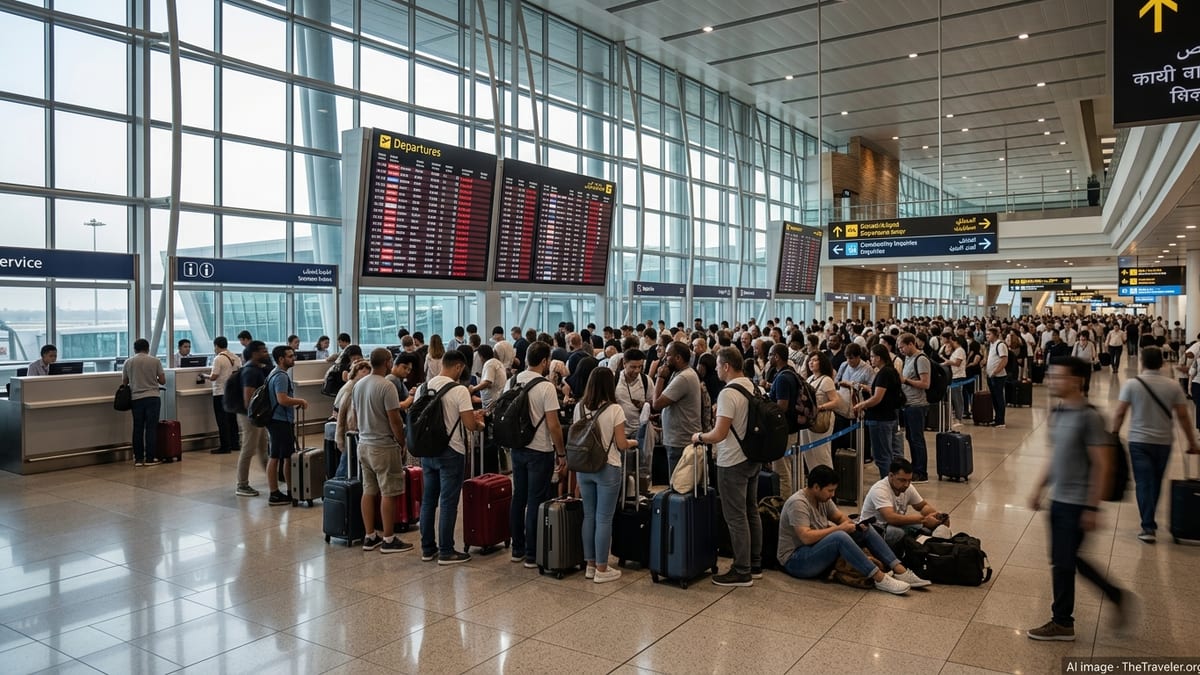
Hundreds of air passengers across Europe and Mexico faced severe disruption on June 8 and June 9 as major carriers including KLM, Volaris, easyJet, British Airways, Air France, Norwegian Air Sweden and Austrian Airlines canceled dozens of flights and delayed hundreds more, according to live operational data and industry tracking services.
Get the latest news straight to your inbox!
Widespread Cancellations and Delays Hit Key Hubs
Operational data compiled from flight tracking platforms for June 8 and June 9 indicates that at least 66 flights operated or marketed by KLM, Volaris, easyJet, British Airways, Air France, Norwegian Air Sweden and Austrian Airlines were canceled, while more than 560 departures and arrivals were delayed across multiple regions. The disruption has been most visible at major European hubs, but knock on effects have been reported as far afield as Mexico and secondary airports in the United Kingdom and Austria.
Amsterdam Schiphol, one of KLM’s main hubs, recorded more than 250 delays and around 20 cancellations on June 7, with fresh disruption carrying into June 8 and June 9 as aircraft and crews remained out of position. Publicly available airport statistics and passenger accounts show that delays there affected services to London, Paris, Frankfurt, Zurich and long haul destinations, leaving connecting passengers particularly exposed to missed onward flights and forced overnight stays.
In France, published coverage of operations at Paris Charles de Gaulle and Orly points to rolling delays for Air France and partner airlines, contributing to a wider European pattern of irregular operations in early June. Similar pressures have been observed in Austria, where Vienna Airport has seen elevated levels of late running flights, affecting Austrian Airlines and other carriers using the hub as a transfer point toward Central and Eastern Europe.
In the United Kingdom, data from airport and flight monitoring dashboards for London Heathrow, Gatwick and other regional airports shows that easyJet and British Airways have faced a significant number of delayed rotations, particularly on European short haul routes. These delays, in some cases running beyond two or three hours, have compounded congestion as aircraft arrive late, turn around more slowly and fall further behind schedule through the day.
Mexico and Nordic Routes Also Affected
While the heaviest concentration of disruption has occurred in Europe, impact has also been felt in Mexico and on Nordic services. Volaris, a major low cost operator in Mexico, has experienced cancellations and extended delays on domestic and cross border routes, according to flight status records for Mexico City and other key airports. These irregularities have left passengers in Mexico facing missed connections to the United States and Europe as schedules tightened.
Norwegian Air Sweden, which operates a mix of intra European and Scandinavian routes, has also featured in the list of carriers with canceled or heavily delayed flights in recent days. Public operational data suggests that affected services include departures linking Sweden and Norway with wider Europe, adding to the strain on already busy Nordic summer traffic flows.
Travel analysts note that disruptions at one or two hub airports can quickly cascade across a wider region when airlines are running tight schedules. With many carriers already maximizing daily aircraft utilization at the start of the summer travel season, schedule recovery options are limited when a wave of delays or cancellations takes hold, as appears to have been the case across parts of Europe and Mexico in early June.
As a result, passengers on seemingly unrelated routes may experience knock on delays even when their departure airports are not directly affected by the initial operational problems. This pattern has been visible on some transatlantic and leisure routes linking European hubs to Mexico and holiday destinations in the Mediterranean, where aircraft arriving late from disrupted networks have struggled to depart on time.
Operational Pressures Behind the Latest Wave
Published industry analysis attributes the current wave of disruption to a combination of factors, including high seasonal demand, tight staffing levels across airlines and ground handling providers, and airspace or weather related constraints at key bottlenecks. Reports indicate that a number of European airports have been operating close to capacity in early June, with even minor operational issues turning into significant network wide challenges.
Network data from European aviation monitoring bodies for recent weeks has highlighted sustained growth in daily flight movements compared with the previous year, leaving little slack in the system. When events such as local thunderstorms, temporary air traffic control restrictions or technical issues affect a hub, delayed departure slots quickly accumulate and aircraft rotations fall out of sync, which can explain the large gap between the number of delays and the smaller absolute number of outright cancellations.
Airlines involved in the latest disruption, including KLM, Air France, British Airways, easyJet and Austrian Airlines, have previously outlined in public communications that maintaining schedule reliability during peak demand periods is challenging when crew and fleet resources are stretched. Although specific causes vary by carrier and day, the pattern seen on June 8 and June 9 reflects a familiar dynamic in the post pandemic recovery period, with strong demand meeting infrastructure and staffing limitations.
In Mexico, observers point to similar pressures at busy airports such as Mexico City and Cancun, where rapid traffic growth and infrastructure constraints have occasionally translated into delays and cancellations for carriers including Volaris. Combined with European schedule pressures, this has created a complex environment for travelers attempting to connect between regions.
Passenger Impact and Rights Across Jurisdictions
For travelers caught up in the latest wave of disruption, immediate impacts have included overnight airport stays, missed holidays, business appointments and onward connections. Passenger accounts from airports in the Netherlands, United Kingdom, France and Austria describe long queues at customer service desks and difficulty securing alternative flights, especially where services were already close to fully booked due to the busy early summer period.
In the European Union, many of the affected routes fall under EU passenger protection rules that can provide rerouting, refunds and, in some cases, fixed sum compensation when disruptions are not caused by extraordinary circumstances such as severe weather or airspace closures. Similar protections apply under United Kingdom regulations for flights departing from UK airports or operated by UK carriers, affecting passengers on disrupted British Airways and easyJet services in particular.
Consumer advocates frequently advise travelers facing cancellations or long delays on European carriers to retain boarding passes, booking confirmations and receipts for meals or accommodation in case they need to file claims later. They also emphasize the importance of distinguishing between disruptions attributed to operational or staffing issues, which may trigger compensation in some jurisdictions, and those clearly linked to factors outside an airline’s control, which typically do not.
In Mexico, passenger rights are governed by national aviation regulations, which set out obligations on airlines regarding assistance, refunds or rebooking after cancellations or extended delays. Publicly available guidance suggests that affected Volaris customers may be eligible for various forms of support depending on the specific cause and duration of the disruption, though processes and entitlements differ from European frameworks.
What Travelers Can Do During Continuing Disruption
With irregular operations still being reported at several airports, travel experts recommend that passengers due to fly with KLM, Volaris, easyJet, British Airways, Air France, Norwegian Air Sweden or Austrian Airlines in the coming days monitor flight status closely. Airline apps, airport information pages and independent flight tracking tools can offer early indication of delays or aircraft swaps, allowing some travelers to adjust plans before arriving at the airport.
Where possible, travelers holding connections through heavily affected hubs such as Amsterdam, Paris, London or Vienna may wish to allow longer layover times or consider alternative routings. Published advice from passenger rights organizations notes that self connecting on separate tickets during periods of disruption can be particularly risky, as protections for missed onward segments are more limited when itineraries are not on a single booking.
Industry observers also highlight the value of preparing contingency plans, such as knowing alternative flights on the same day, nearby airports that could offer replacement options, or ground transport alternatives for shorter regional journeys. Having this information in advance can speed up discussions at airline service desks or online rebooking platforms when delays and cancellations occur.
Although the current wave of disruption has left hundreds of passengers stranded across the Netherlands, Mexico, the United Kingdom, France, Austria and other destinations, aviation data suggests that most flights in the wider network continue to operate. For travelers, the challenge is to navigate an environment where a relatively small share of canceled services and a larger share of delayed departures can nonetheless translate into significant personal inconvenience when journeys depend on tight connections.