


More news on this day
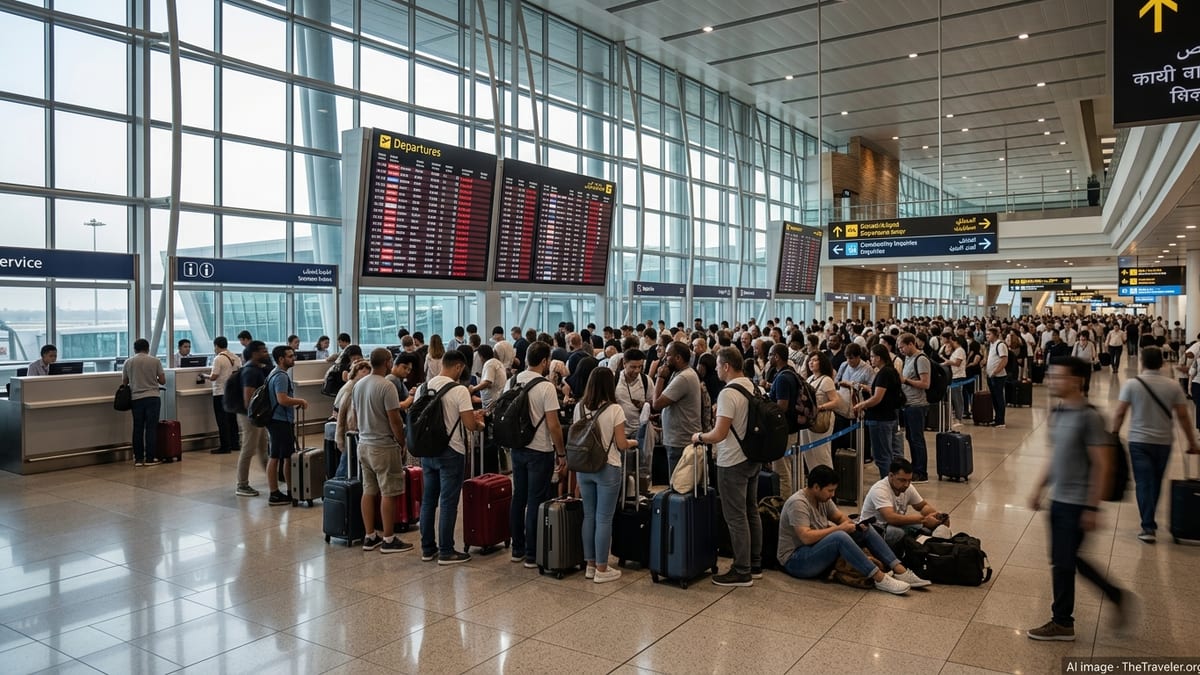
Hundreds of travelers across Canada have been left in limbo after a fresh wave of flight delays and cancellations rippled through major hubs and regional airports, disrupting at least 143 departures and arrivals and canceling 24 more across carriers including Jazz, Air Canada, Air Inuit, PAL Airlines and several partner operators.
Get the latest news straight to your inbox!
Major Hubs See Cascading Delays
Publicly available flight-tracking data and passenger reports indicate that Montreal and Toronto once again sit at the center of Canada’s latest aviation disruption. Dozens of services touching Montréal–Trudeau International Airport and Toronto Pearson International Airport have been affected, with late-running aircraft on key trunk routes to Halifax, Quebec City and Western Canada creating knock-on delays throughout the day’s schedule.
The disruption has not been confined to a single airline. Regional operator Jazz Aviation, flying as Air Canada Express on many domestic routes, has faced widespread knockbacks in departure times, particularly on short-haul sectors into and out of Montreal and Toronto. Partner flights under the Air Canada banner show repeated late departures, suggesting that aircraft and crew rotations are struggling to recover from earlier interruptions.
According to data compiled from multiple flight-status platforms, at least 143 services across the network have departed late or arrived significantly behind schedule. In many cases, delays have stretched beyond an hour, leaving passengers facing missed connections and extended waits in crowded terminals.
Air Canada’s mainline operation has been similarly exposed, with published coverage over recent days highlighting a pattern of rolling delays across its busiest domestic corridors. Earlier disruption on routes linking Toronto, Vancouver, Montreal, Calgary and Ottawa has reduced operational resilience, meaning that a single late inbound aircraft can quickly cascade into multiple delayed departures.
Regional Airports and Remote Communities Hit Hard
While Canada’s largest hubs have garnered much of the attention, regional airports and remote communities have also been heavily affected. Departures data for Sept-Îles in Quebec, a key gateway for northern routes, shows multiple services operated by PAL Airlines and Air Inuit running late or being removed from schedules entirely. These flights provide essential links to small communities along the North Shore and in Nunavik, where alternative transport options are limited.
In Quebec City and smaller Atlantic airports, PAL Airlines flights operating on behalf of Air Canada have faced schedule pressures, amplifying the impact on travelers trying to connect through Montreal or Halifax. For residents of remote towns, even a single cancellation can mean waiting an extra day or more for the next available seat, effectively isolating communities for extended periods.
According to recent disruption analyses focused on Canada’s air network, northern and coastal routes serviced by regional carriers are often among the most vulnerable whenever large-scale delays emerge. Limited spare aircraft, sparse frequencies and challenging weather patterns can combine to turn a short disruption into a prolonged break in connectivity for affected passengers.
Reports also indicate that some routes into remote airports in northern Quebec and Labrador have seen a mix of lengthy delays and outright cancellations, affecting travel for medical appointments, essential workers and residents returning home from southern cities.
Halifax and Eastern Canada Feel the Strain
Halifax Stanfield International Airport, an important hub for Atlantic Canada, has recorded its own share of irregular operations. Recent departure boards show a patchwork of delayed services operated by Air Canada, Jazz and PAL Airlines, including flights linking Halifax with Montreal, Toronto and smaller regional destinations.
Published coverage of earlier disruption events this year noted that rerouting through Halifax sometimes provided a workaround when other hubs were under pressure. The latest pattern of delays suggests that this buffer is weakening as the strain spreads into Eastern Canada, reducing the number of reliable alternatives for travelers seeking last-minute rebookings.
For passengers in the Maritimes who rely on a combination of mainline and regional services to connect onward to Western Canada or international destinations, even short delays can quickly snowball into missed long-haul flights. Social media posts and passenger forums over the weekend detailed instances of travelers spending unplanned nights in Halifax hotels after missed connections from delayed inbound services.
PAL Airlines’ dual role as both an independent regional carrier and an operator of flights on behalf of larger airlines has further complicated the picture. Disruptions in its scheduled operations can reverberate across codeshare flights, blurring the lines of responsibility in the eyes of passengers trying to determine which company is accountable for assistance and potential refunds.
Multiple Airlines, Shared Disruption
Across the country, the latest wave of irregular operations has affected a cross-section of domestic and regional brands. Jazz, operating under the Air Canada Express banner, has seen repeated references in disruption reports over the past months, following a series of incidents and operational challenges. At the same time, mainline Air Canada flights have continued to experience elevated levels of delay and cancellation, particularly during peak travel periods.
Analyses by passenger-rights groups and travel-industry observers point to a mix of factors behind the recurring problems, including aircraft availability, crew scheduling constraints, tight turnarounds and residual effects from earlier storms and infrastructure issues. Regional carriers such as Air Inuit and PAL Airlines operate in especially demanding environments, where harsh weather and limited ground resources increase the risk of knock-on disruption when things go wrong.
Recent tallies from disruption-monitoring services show that, collectively, airlines operating in Canada have canceled at least two dozen flights and delayed more than 140 across a relatively short window. These totals align with a broader pattern seen since late 2025, in which clusters of cancellations and delays repeatedly emerge across different days and airports, often involving the same set of carriers.
Travelers attempting to track the status of their journeys face an additional layer of complexity when codeshares are involved. A single disrupted service may be sold under multiple flight numbers for different airlines, making it harder for passengers to quickly identify which company is operating the aircraft and which set of customer-service channels they should use to seek help.
Growing Scrutiny of Passenger Rights
The most recent disruptions are likely to renew attention on Canada’s Air Passenger Protection Regulations, which set out minimum standards of treatment in situations involving long delays, cancellations and denied boarding. Legal and consumer-advocacy analyses published in recent months have emphasized that obligations differ depending on whether a problem is deemed within an airline’s control, within its control but required for safety, or outside its control.
Passenger forums and compensation platforms have documented a rise in complaints from travelers who believe they were wrongly denied compensation after long waits in airports across Canada. Several posts refer to discrepancies between what customers were told at the gate and what they later learned about the technical or operational reasons for their delay.
Consumer-information sites advise passengers caught up in large-scale disruptions to keep detailed records of boarding passes, written communications and receipts for extra expenses such as meals and accommodation. They also recommend cross-checking airline statements with publicly available flight-tracking data to better understand how a specific delay unfolded and whether comparable flights from other airlines operated on the same route.
With hundreds of travelers once again reporting that they are stranded or facing sharply extended trips, scrutiny of how airlines apply the regulations is likely to intensify. For now, passengers across Montreal, Toronto, Sept-Îles, Quebec City, Halifax and other affected airports continue to navigate a patchwork of delays and cancellations as carriers work to realign their schedules.