


More news on this day
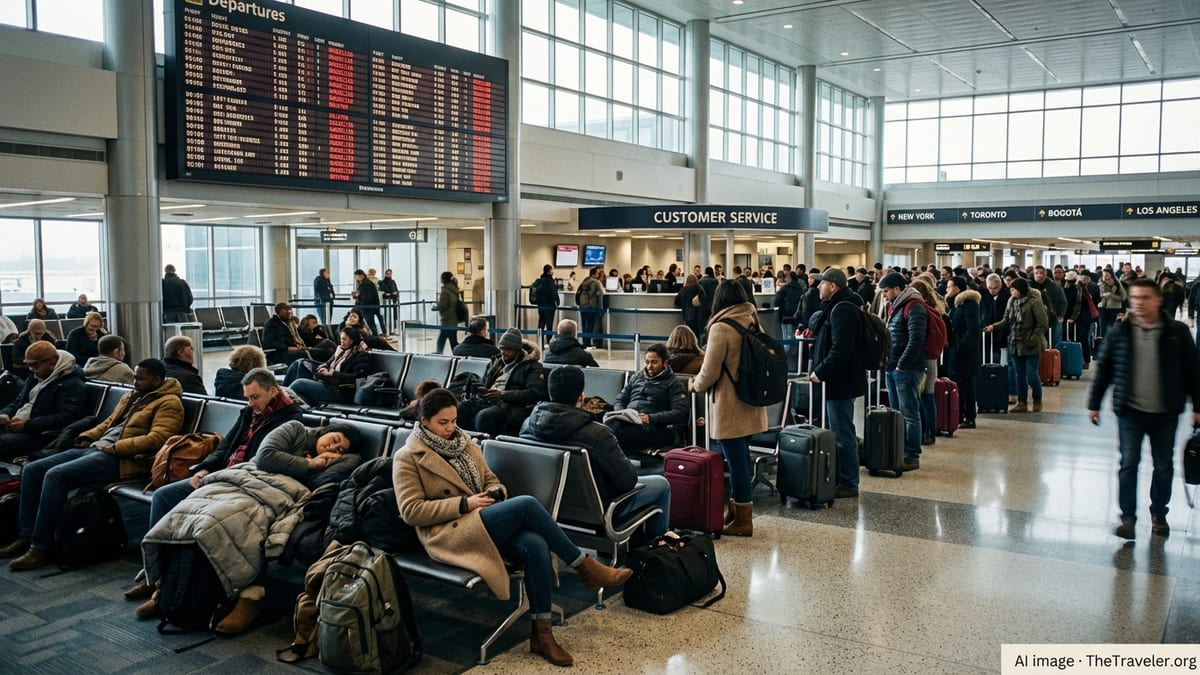
Hundreds of passengers traveling through Portugal on June 9, 2026, faced significant disruption as at least 328 flights were delayed and 16 canceled across Lisbon, Porto, Madeira, Ponta Delgada, and Terceira airports, affecting both European and long-haul connections.
Get the latest news straight to your inbox!
Knock-On Delays Ripple Through the National Network
Publicly available flight-tracking and airport operations data for June 9 indicate a heavily disrupted day for air travel in Portugal, with delays concentrated at Lisbon and Porto but extending to key island gateways in Madeira and the Azores. Lisbon Humberto Delgado Airport, the country’s main hub, saw a high volume of late-running departures and arrivals, contributing to missed connections on European and transatlantic routes.
The tally of at least 328 delayed flights and 16 cancellations across the five airports reflects a combination of adverse weather, congested airspace, and tight scheduling at a time of strong seasonal demand. While most delays remained under two hours, a substantial number of services registered longer disruptions, leading to rebookings and overnight stays for some passengers.
Lisbon, which already has a reputation for operational strain during busy periods, again emerged as a bottleneck. The airport serves as the primary hub for TAP Air Portugal and as a key base for low-cost carriers Ryanair and easyJet, meaning that disruptions quickly cascaded across the wider route network, particularly for travelers relying on short connection windows.
Porto’s Francisco Sá Carneiro Airport, a major base for both low-cost and full-service airlines, also experienced a wave of delayed departures and arrivals. Schedules on popular intra-European links to cities such as London, Paris, and German hubs were notably affected, contributing to knock-on disruption at onward destinations.
Strong Winds Batter Madeira and the Azores
Weather-related disruption played a central role, particularly at Madeira International Airport, where strong winds continued to affect operations for a second consecutive day. Local reports and airport information on June 9 describe repeated difficulties for aircraft attempting to land at Funchal, one of Europe’s more meteorologically challenging airports.
As gusts intensified, several arrivals from mainland Portugal and European cities were unable to complete approaches, leading to diversions and cancellations. Flights from Porto, Lisbon, Terceira, Basel, Lyon, and London were among those affected, compounding the wider national total of disrupted services.
In the Azores, operations at Ponta Delgada and Terceira were also influenced by unstable weather patterns and the broader knock-on impact of delays on the mainland. Traffic between the islands and Lisbon, as well as inter-island services operated by regional carriers, faced schedule changes that left some travelers stranded or forced to adjust plans at short notice.
These conditions underline the vulnerability of Portugal’s island airports to rapid weather changes, particularly during the shoulder seasons and early summer, when wind patterns can shift quickly and limit landing opportunities on short, coastal runways.
Major Carriers Feel the Strain Across European and Long-Haul Routes
The disruption affected a wide range of airlines, including national carrier TAP Air Portugal and leading low-cost operators Ryanair and easyJet, alongside major European network airlines such as Lufthansa. Star Alliance and codeshare partners were also indirectly impacted where their flights relied on TAP-operated services for feeder traffic.
From Lisbon and Porto, TAP’s dense network of European and intercontinental flights meant that even moderate delays on early services risked cascading into the rest of the day’s schedule. Data from recent operational performance on key domestic segments, such as Lisbon to Funchal, show historically elevated delay rates, illustrating the underlying sensitivity of the network to congestion and weather-related constraints.
Ryanair and easyJet, both significant players in the Portuguese market, experienced delays on high-frequency short-haul routes that link Portuguese cities with major European capitals and holiday destinations. With aircraft often scheduled for multiple sectors per day, knock-on effects from a single delayed rotation contributed to the accumulating total of late flights.
Lufthansa and other legacy carriers with services into Lisbon, Porto, and island airports faced a separate but related challenge as delays threatened connections at their home hubs. Passengers arriving late from Portugal risked missing onward long-haul flights, prompting rebookings and added pressure on already busy summer schedules.
Passenger Impact and Compensation Questions
For travelers, the immediate consequences included missed connections, extended time in terminals, and changes to holiday and business plans. Families heading to island resorts, business passengers connecting to long-haul services, and tourists on multi-stop European itineraries all reported disrupted journeys as schedules slipped and departure boards filled with revised times.
Under European passenger rights regulations, compensation eligibility depends on factors such as the length of delay, distance of the flight, and the underlying cause. Weather events like the strong winds in Madeira are typically classified as extraordinary circumstances, which can limit or exclude compensation, even when the impact on travel is significant.
Operational delays linked to congestion, handling issues, or aircraft rotation may be treated differently, and specialized claims firms routinely review large disruption events in Portugal to identify cases where passengers might seek reimbursement or fixed-sum payments. With hundreds of flights delayed on June 9, many travelers are expected to examine their rights once they complete their journeys.
Publicly available historic data for Portugal show that Lisbon has struggled with punctuality compared with other national airports, and previous analyses have highlighted the scale of potential compensation owed to passengers in years of heavy disruption. The latest wave of delays and cancellations adds further pressure on airlines and airport operators to manage traffic flows more resiliently during peak periods.
Outlook for the Coming Days
Forecasts suggest that weather conditions in Madeira and parts of the Atlantic approaches may remain changeable in the near term, leaving the possibility of further disruption if winds strengthen again. Airlines serving Funchal and the Azores are likely to maintain flexible operational plans, including holding patterns, diversions to nearby airports, and last-minute schedule adjustments.
On the mainland, operational pressure at Lisbon and Porto is expected to remain high as the summer travel season gathers pace. Airlines have limited slack in their schedules, which can make recovering from a day of widespread delays challenging, even if the initial trigger was weather-related rather than structural.
Travel industry observers recommend that passengers flying to or from Portuguese airports in the coming days monitor flight status closely, allow extra time for connections, and remain prepared for last-minute changes, particularly on routes involving Madeira, the Azores, or late-evening departures that depend on tight aircraft turnarounds.
As Portugal continues to attract strong international demand for both city and resort travel, the events of June 9 highlight the fragile balance between capacity, weather resilience, and punctuality across the country’s interconnected network of mainland and island airports.