


More news on this day
Guangzhou Baiyun International Airport has been thrust into severe operational turmoil this week as more than 500 flight delays and a wave of strategic cancellations disrupt schedules across southern China’s busiest air corridor.
Get the latest news straight to your inbox!
Hundreds of Flights Disrupted in Key Southern Hub
Publicly available flight data and industry tracking platforms indicate that Guangzhou Baiyun has recorded more than 500 delayed departures and arrivals over recent days, with at least several dozen flights cancelled outright. One recent data snapshot for June 16 pointed to Guangzhou logging among the highest disruption levels nationwide, with roughly 480 delays and more than 30 cancellations in a single day. When combined with disruption tallies from surrounding days, the total number of affected flights associated with the hub now exceeds 530.
Regional aviation coverage highlights Guangzhou Baiyun as the most heavily impacted of China’s southern airports during the latest bout of instability, outpacing other major hubs in both absolute delays and knock-on schedule changes. The airport, which serves as the primary base for China Southern Airlines and a critical transfer point for Air China, China Eastern, Hainan Airlines and a range of private and low-cost carriers, has seen ripple effects spread across both domestic and international routes.
The disruption comes at a time of heightened demand and tighter scheduling following rapid capacity growth in early 2026. Official statistics previously reported for May showed a renewed uptick in passenger throughput at Guangzhou Baiyun, underscoring how even modest operational shocks can quickly cascade through an already busy network.
Travel intelligence platforms tracking on-time performance in the region show that southern China’s air traffic has been particularly vulnerable to rolling waves of delay this year. Guangzhou’s central role in connecting secondary cities with major international gateways means that each delayed or cancelled leg can immediately affect multiple onward journeys.
Weather, Infrastructure Works and Network Strain Converge
Recent aviation and financial-industry reporting links the latest disruption cycle with bouts of torrential rain affecting southern China, including the Pearl River Delta, as well as broader operational strains on key national carriers. Heavy rainfall in mid-June triggered hundreds of delays across multiple airports in the region, with Guangzhou repeatedly cited as one of the hardest hit facilities.
At the same time, Guangzhou Baiyun is undergoing one of the most intensive infrastructure and terminal reconfiguration phases in its history. Terminal 3, which recently launched full international operations, has taken on a growing share of long-haul and regional routes. Separately, Terminal 1 has been temporarily closed for upgrades, prompting the relocation of airlines and requiring passengers and staff to navigate new layouts and transport connections.
These structural changes, while aimed at expanding capacity and improving long-term efficiency, are adding complexity to day-to-day operations in the near term. Public information about metro and intercity rail services shows that some airport-adjacent stations have been temporarily closed or converted to non-stopping status to accommodate the Terminal 1 works, narrowing ground access options for certain travelers.
Aviation analysts note that such overlapping pressures can compound quickly. When severe weather disrupts an already stretched hub that is juggling terminal upgrades, even a short period of runway or apron congestion can lead to rapid schedule knock-on effects across an airline’s entire network.
Strategic Cancellations Deploy as Pressure Valve
While many passengers experience the disruption as last-minute delays at the gate, schedule data and operational commentary suggest that airlines are increasingly turning to targeted, pre-planned cancellations at Guangzhou to stabilize their broader timetables. By proactively trimming selected frequencies, carriers seek to free up aircraft and crews, allowing them to protect long-haul and high-priority routes and to recover rotations that have drifted badly off schedule.
Recent national disruption tallies for China’s largest airlines recorded several thousand delays and a few hundred cancellations across key mega-hubs including Beijing, Shanghai, Chengdu, Chongqing and Guangzhou. In that context, strategic cancellations in Guangzhou appear designed less as isolated route withdrawals and more as part of a coordinated network reset meant to contain wider chaos.
Industry observers point out that this approach can result in sharp, localized pain. A relatively small number of outright cancellations concentrated at one airport can significantly ease system-wide congestion but will leave affected travellers facing rebooking queues, overnight stays and missed connections. For Guangzhou Baiyun, which functions as a central transfer point for flights radiating across Southeast Asia, Central Asia and Europe, a single cancelled feeder flight can render onward itineraries unworkable.
Despite the disruption, schedule listings show that most core Guangzhou connections remain operational, albeit running late. Mainland trunk routes to Beijing, Shanghai and Chengdu, as well as high-demand regional links to hubs such as Bangkok and other Southeast Asian cities, continue to operate with adjusted departure times and periodic equipment changes.
Passenger Experience: Long Queues and Tight Connections
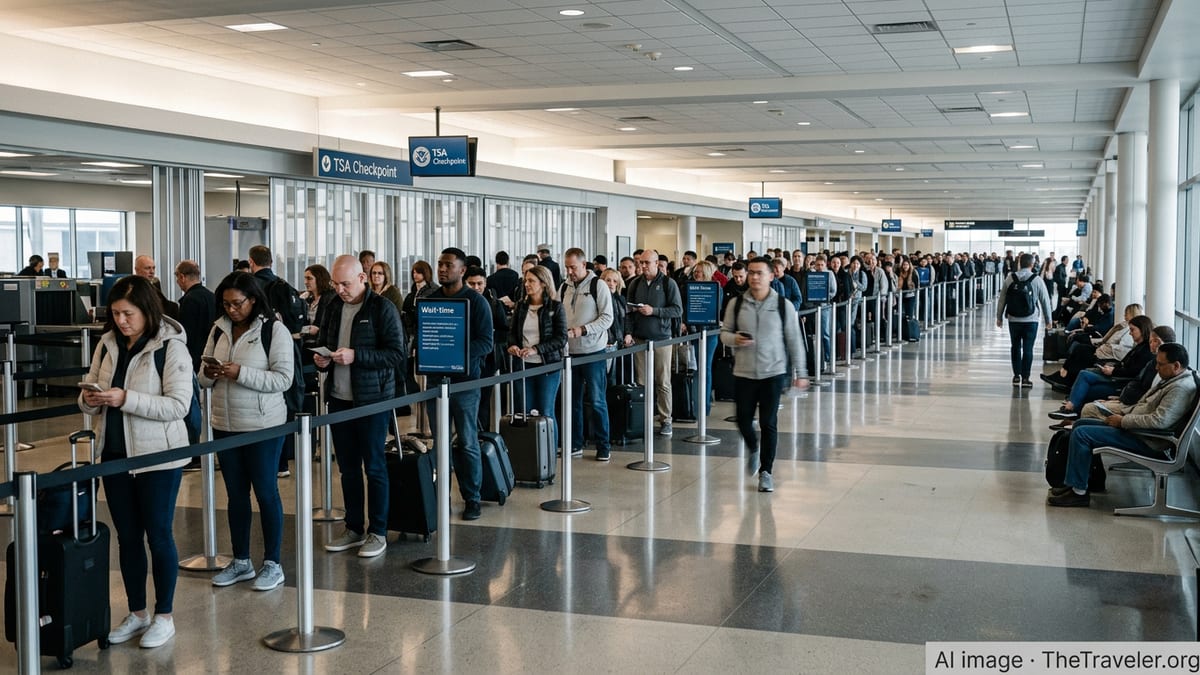
Reports from travellers and publicly shared accounts across social platforms describe long queues at check-in and transfer counters, congested security lanes and crowded airside waiting areas at Guangzhou Baiyun as the wave of delays has unfolded. With some flights pushed back by several hours, passengers on tight self-transfer itineraries have found themselves stranded in Guangzhou overnight, forced to rebook at short notice.
Customer anecdotes also emphasize the particular strain on those connecting between domestic and international legs, especially where minimum connection times were already tight. Missed links to long-haul flights can trigger costly reissue fees and extended layovers, particularly for passengers without flexible tickets or comprehensive travel insurance.
Travel forums continue to highlight Guangzhou Baiyun as an airport where conservative planning is advisable when booking connections, especially during the summer storm season. A growing number of posts advise allowing more than the minimum published connection times and, where possible, routing itineraries that include sufficient buffer for immigration, security re-screening and terminal transfers.
In some cases, passengers report being provided with hotel accommodation and meal vouchers by major carriers when overnight delays or missed onward flights occur, though the level of support appears to vary based on ticket type, routing and airline policy. Others recount navigating packed transfer desks and long customer-service lines as staff work through backlogs created by successive waves of delayed arrivals.
What Travelers Should Do Now
Travel experts and publicly available advisories recommend that anyone scheduled to pass through Guangzhou Baiyun in the coming days monitor their flight status closely and build additional flexibility into their plans. Checking airline notifications frequently, keeping contact details updated in booking profiles and using carrier or airport apps to track gate changes can help reduce the risk of being caught off-guard by rolling delays.
Passengers originating in Guangzhou are being encouraged to arrive at the airport well ahead of standard check-in cutoffs, particularly during peak morning and evening banks when disruption can compound quickly. Those with tight international connections are also advised to consider same-carrier or single-ticket itineraries where possible, as these generally offer clearer protection and rebooking options when one segment fails.
As southern China heads further into a period of unsettled summer weather while major infrastructure work continues at Guangzhou Baiyun, aviation analysts expect intermittent turbulence in the region’s flight schedules to persist. For now, the combination of heavy rain, terminal reshuffling and high demand has left one of Asia’s busiest hubs grappling with more than 500 disrupted flights, underscoring how quickly travel across an entire region can be thrown into disarray.