


More news on this day
More than 200 Amtrak passengers were stranded for upwards of 20 hours in north Florida this week after advancing wildfires forced their train to halt on the line, underscoring how climate-driven fires are increasingly disrupting long-distance rail travel.
Get the latest news straight to your inbox!
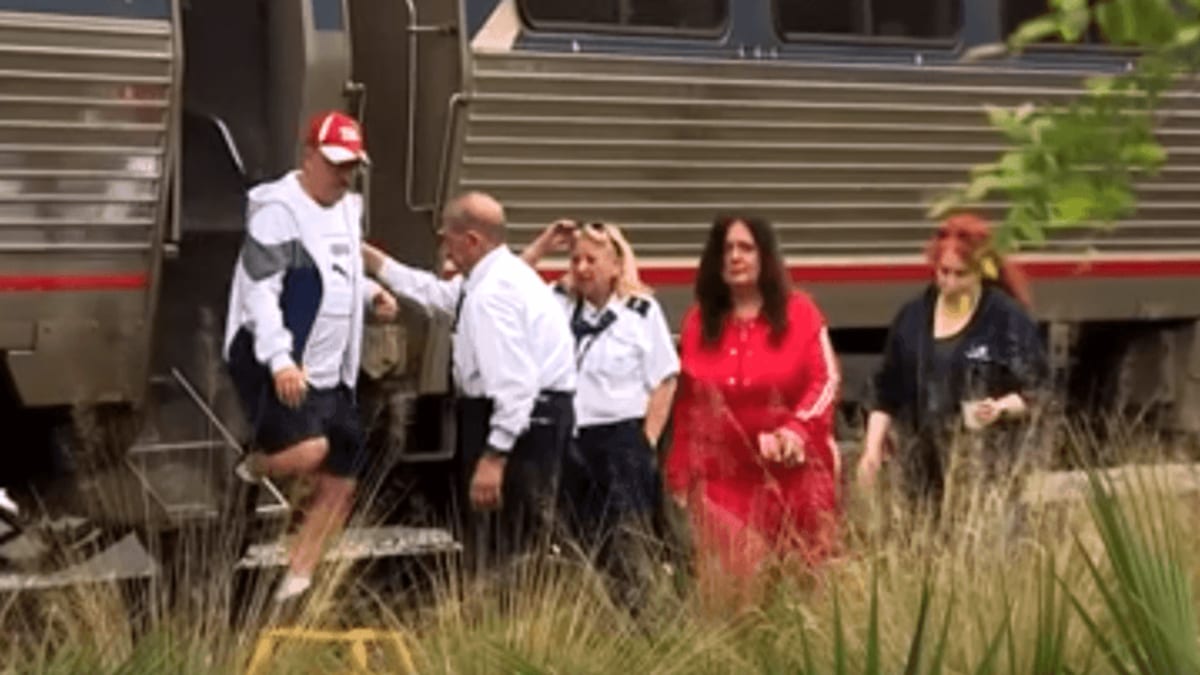
Wildfire halts intercity train in north Florida
The disruption unfolded on April 20 along a key rail corridor in north Florida, where a complex of wildfires near the border of Putnam and Clay counties pushed smoke and flames close to the tracks. Publicly available information indicates that the fires grew across several thousand acres, creating conditions that made it unsafe for passenger trains to continue through the area.
According to published coverage, one Amtrak service heading north was brought to a stop near DeLand and held in place for many hours as crews monitored the fires and rail operators assessed the risk. Reports indicate that roughly 230 passengers were on board, aligning with typical capacity for the Silver Service route that links Miami with New York.
Rail traffic into and out of Florida was already under strain as fire conditions intensified across north and central parts of the state. State wildfire briefings show that much of north Florida has been experiencing severe drought, which has dried vegetation and increased the likelihood that embers or sparks near transportation corridors can ignite brush.
As the situation evolved, operators prioritized keeping trains away from active fire fronts and heavy smoke, leading to extended holds along the line and, in some cases, full cancellations of services into Florida.
Passengers face long delays, dwindling supplies on board
For the passengers trapped aboard the halted train, the wildfire disruption quickly turned into a prolonged ordeal. Accounts shared on social platforms and referenced in news reports describe a delay that stretched past 20 hours, with travelers confined to their cars while the train remained stopped on the tracks.
Several passengers reported that the extended delay strained on-board supplies. According to these accounts, water became scarce and toilets began to malfunction after many hours without movement or access to station facilities. The lack of clear information about when the train would move again added to frustration and anxiety for families, older travelers and those with medical needs.
Publicly available posts suggest some riders considered leaving the train on foot as the delay lengthened, highlighting the tension between safety rules that restrict disembarking along an active rail corridor and the discomfort of remaining on board during a lengthy stoppage. Transportation commentators note that railroads typically keep passengers on trains away from incident scenes to avoid the hazards of walking near live tracks or through smoke.
The experience on this Florida service mirrors past incidents in other parts of the United States where trains have been immobilized by extreme weather for many hours, raising questions about how operators can better maintain basic services and communications when journeys are unexpectedly prolonged.
Amtrak adjusts Florida routes amid growing fire risk
The stranded train was part of a broader pattern of wildfire-related disruption across Florida’s passenger rail network in recent days. Amtrak service advisories and regional media reports show that multiple long-distance routes were adjusted or curtailed as fires burned in north Florida.
On the same day the passengers were stranded, Amtrak canceled at least one Silver Meteor trip and suspended portions of its Auto Train service between Sanford, near Orlando, and Lorton, Virginia. Public information from the company indicates that some trains were turned back before reaching central Florida, while others originated or terminated unusually far north, including in Jacksonville and Savannah, to avoid the affected corridor.
To keep people moving, rail operators arranged alternative transportation for some passengers, including bus links to bridge gaps where tracks were blocked or service was curtailed. However, the limited road access near certain wildfire zones and the speed at which fire and smoke conditions changed made it difficult to deploy ground transport quickly for everyone on stopped trains.
Travel analysts observing the disruption note that Florida’s long-distance rail connections depend heavily on a small number of north-south lines. When one of these corridors is affected by wildfire, options for rerouting passenger trains are constrained, increasing the likelihood of extended delays or cancellations that ripple across the network.
Wildfire season and climate pressures on rail travel
The incident comes during what state officials have described as an unusually active start to Florida’s 2026 wildfire season. Drought assessments show that parts of north Florida entered peak fire months already in severe and exceptional drought categories, creating the conditions for fast-moving blazes that can threaten communities and infrastructure alike.
Transportation and climate researchers have increasingly warned that as wildfire seasons grow longer and more intense in many regions, railways will face more frequent interruptions. Tracks can be closed not only by fire and heat but also by smoke that limits visibility, embers that threaten wooden infrastructure and the need to keep emergency access routes clear for firefighting crews.
For passenger rail, these risks translate into operational challenges that go beyond detours and cancellations. Extended stoppages, like the one that stranded more than 200 travelers in Florida, expose gaps in contingency planning for food, water, ventilation and medical support when journeys extend far beyond scheduled travel times.
Industry observers point out that better integration of wildfire forecasts into rail scheduling, along with expanded pre-positioning of emergency supplies and buses, could help reduce the impact of future incidents. Investments in real-time communication tools for passengers may also ease some of the stress that accompanies sudden, lengthy delays.
What travelers can learn for future Florida rail trips
The Florida wildfire disruption offers several lessons for travelers planning long-distance rail journeys through regions prone to seasonal hazards. Publicly available guidance from emergency management agencies recommends that passengers carry extra water, snacks and essential medications whenever travel involves remote stretches where access to services may be limited.
Travel planners suggest building additional buffer time into itineraries that cross wildfire-prone areas during peak season, particularly in states like Florida where dry spring conditions are becoming more common. This can help accommodate unexpected delays and reduce the risk of missed connections to flights, cruises or onward trains.
The episode has also focused attention on the importance of flexible ticket policies and clear information from carriers when natural hazards disrupt operations. Reports indicate that affected passengers on the stranded Florida train were eligible for refunds and travel credits, which can ease some of the financial burden created by last-minute changes.
As Florida’s 2026 wildfire season continues, the experience of the more than 200 passengers stalled on an Amtrak train underscores how climate pressures are reshaping expectations for rail travel. For now, travelers heading into or out of the state are being encouraged by public coverage to monitor service alerts closely and to prepare for journeys that may not go entirely to plan.