


More news on this day
Passengers flying out of the United Arab Emirates today are being urged to plan extra time, track their flights closely and expect occasional last minute changes, as airports work through a heavy summer rush and ongoing regional airspace complications.
Get the latest news straight to your inbox!
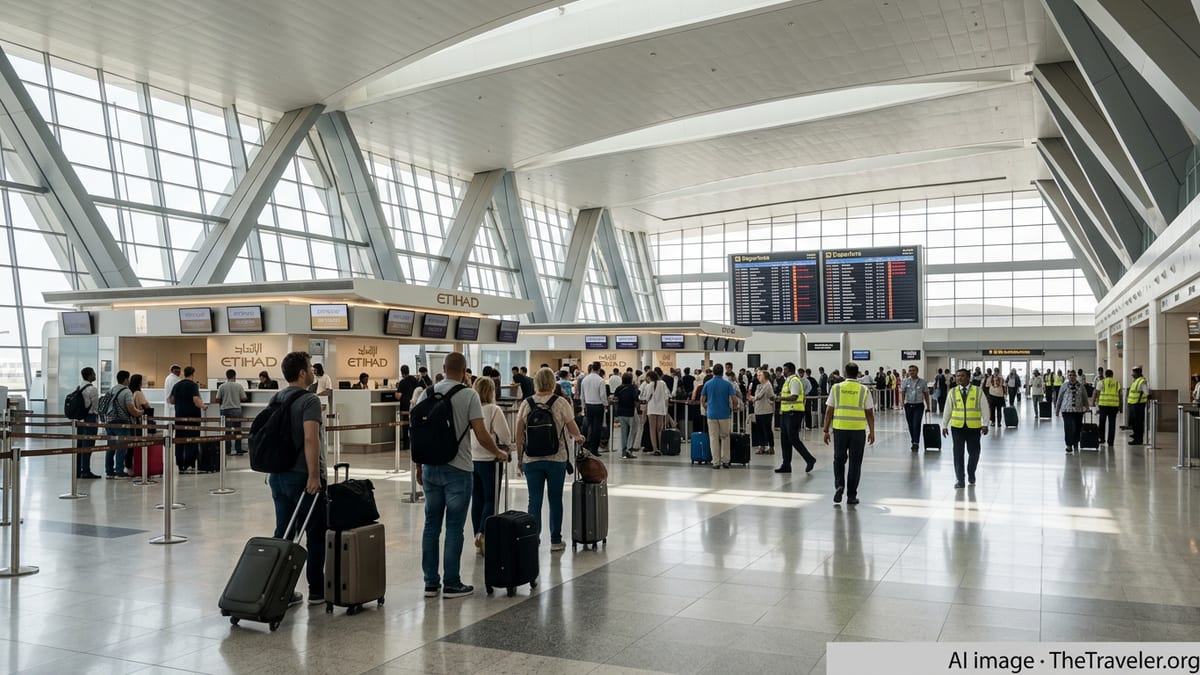
Summer surge at UAE airports keeps pressure on schedules
Dubai, Abu Dhabi and Sharjah are all in the middle of one of the busiest travel weeks of the summer, with carriers reporting strong demand across regional and long haul routes. Publicly available information from Sharjah Airport indicates that around 3 million passengers and roughly 19,000 flight movements are expected over July and August, highlighting how tight airport capacity will remain through the season.
Sharjah’s flight-tracking pages and independent trackers show a full departures and arrivals board this week, with most flights operating but some services subject to minor delays linked to congestion and high temperatures. Weather briefings point to typical mid-July heat and haze rather than significant storm systems, meaning operational strain is coming more from volume than from local conditions.
In Dubai and Abu Dhabi, published coverage describes terminals as busy but functioning, with the major UAE carriers largely maintaining their core schedules after earlier disruptions in the year. However, with passenger numbers well above last summer and ground operations stretched, carriers continue to warn that boarding and security queues may take longer than usual at peak times.
Travellers are being advised through airline and airport channels to arrive earlier than they might in quieter months, particularly for morning bank departures and late evening long haul flights, which remain the busiest waves across the UAE hubs.
Regional airspace tensions still shaping routings and delays
Beyond the airport terminals, the wider regional backdrop continues to influence how and where aircraft can fly. Analyses of the 2026 Iran war and subsequent airspace measures describe airlines across the Middle East diverting around conflict zones, with closures and restrictions periodically affecting corridors that many UAE flights would normally use.
Earlier in the year, airspace closures and security incidents temporarily shut or sharply reduced activity at several Gulf airports, including Dubai and Abu Dhabi, leading to large-scale cancellations and diversions. While those blanket suspensions have eased, rerouted tracks and capacity limits in certain airways are still being reported, adding flight time on some routes and leaving less margin in daily schedules.
Traveller forums and regional aviation commentators note that some carriers are avoiding sections of the Persian Gulf and neighbouring airspace, instead routing via Saudi Arabia or other alternatives. This can lead to longer block times, tight connections for transit passengers and occasional missed slots when traffic backs up into peak waves.
For passengers flying today, this means that a flight can appear normal at departure but still arrive late if flow restrictions or re-routings are imposed while airborne. Airlines are encouraging travellers to keep notifications switched on and to be prepared for revised arrival times, especially on routes intersecting the broader conflict region.
How Emirates, Etihad, flydubai and Air Arabia are adjusting
The UAE’s major carriers continue to tweak networks and aircraft deployments as they balance robust demand against regional constraints. Emirates recently highlighted that it has restored around 96 percent of its pre-disruption global network, but specialist schedule analyses show that the airline has trimmed or reshaped certain services, including reducing or suspending Airbus A380 operations on a handful of European and Asian routes during June and into early summer.
Operational updates from Emirates stress that passengers should monitor the carrier’s travel updates page and individual booking management tools for any changes, particularly on flights that previously routed through now-constrained airspace. The airline has also referenced longer transit times on some journeys as a result of detours and congestion.
Flydubai is issuing regular operational bulletins advising customers to check flight status close to departure and to use the airline’s app for gate and timing notifications. Guidance also reiterates that UAE government requirements on travel document validity remain in force, something that can catch out passengers arriving at the airport with less than six months remaining on passports.
Etihad Airways and Air Arabia, including Air Arabia’s Sharjah and Abu Dhabi operations, continue to run dense summer schedules but are operating within the same regional constraints. Network data and public commentary indicate that these carriers, like Emirates and flydubai, have re-routed select services to avoid higher risk zones, which can translate into schedule padding, aircraft swaps or last minute retiming when slots become scarce.
Where cancellations and last minute changes are most likely
At present, large-scale blanket cancellations across UAE airports are not being reported, but the pattern of the past several months shows that short notice disruption remains a risk when regional tensions spike or when weather and capacity pressures coincide. Historical notices from March and April documented periods when Dubai operations were temporarily suspended, with only limited flights running and tight restrictions on who could transit through the hub.
More recent accounts from travellers suggest that isolated cancellations and significant delays have tended to cluster on services crossing affected parts of the Middle East and on some Europe bound routes that rely on contested corridors. In addition, when an incident forces temporary closure of airspace or a key airport, carriers often respond by cancelling later rotations using the same aircraft to rebalance fleets, which can affect flights even many hours after the original trigger.
Another area of vulnerability is tight connection banks for transit passengers. With many UAE flights operating longer routings than originally scheduled, missed connections are more common. Airlines may offer rebooking at no additional fare in some disruption scenarios, but policies depend on the cause and timing of the change, and seats on alternative flights can be scarce at short notice during peak summer.
Passengers who booked through third party agents have reported additional complexity when schedules change, because reissue and refund processes can be slower than booking directly with the airline. In today’s environment of rolling adjustments, direct channels and up to date contact details in the booking record can significantly speed up any necessary changes.
Practical steps for travellers flying out of UAE today
For those heading to the airport in the UAE today, aviation analysts and airport guidance converge on a few consistent recommendations. The first is to check flight status repeatedly from 24 hours before departure, and again before leaving home, using the airline’s own website or app as the primary reference. Airport departure boards and third party trackers can give a snapshot, but they may lag behind airline systems during fast-moving disruption.
Arriving earlier than usual is the second theme, especially for flights from Dubai and Abu Dhabi during the evening and overnight peaks. Longer queues at check in, immigration and security are likely when aircraft are departing full and when some passengers need manual assistance with rebookings or disrupted itineraries.
Passengers on connecting itineraries through UAE hubs are being encouraged to build in extra buffer wherever possible. Choosing slightly longer connection times can reduce the risk of missed onward flights when inbound services are delayed due to re-routings or flow restrictions. Where only short connections are available, it is particularly important to monitor both legs of the journey and to be ready to approach transfer desks promptly if delays mount.
Finally, travellers are urged to keep all notifications active and to monitor email and SMS closely on the day of travel, as re-timings, aircraft changes and gate moves are still occurring closer to departure than would be typical in calmer periods. With high demand for seats and a complex regional backdrop, flexibility and real-time information remain key for anyone flying from the UAE today.