


More news on this day
Flight operations at Auckland Airport are returning to normal after heavy morning fog led to widespread low-visibility restrictions, disrupting travel plans for hundreds of passengers across New Zealand.
Get the latest news straight to your inbox!
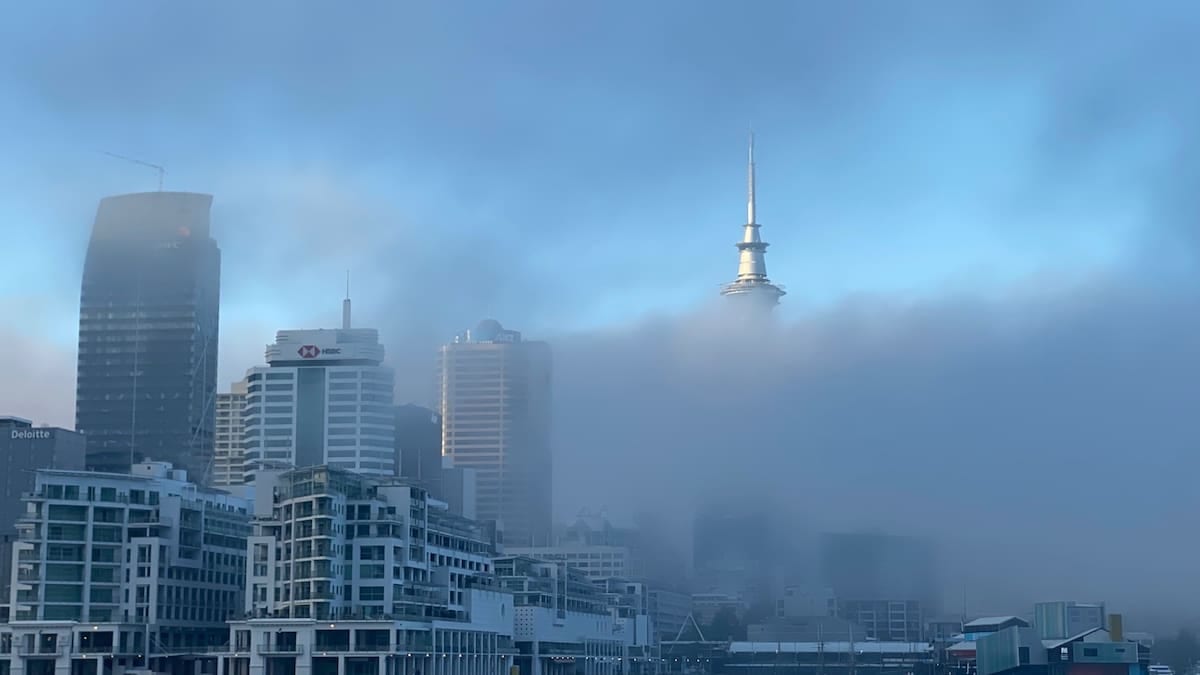
Low visibility triggers delays and cancellations
Thick fog settled over Auckland on Saturday morning local time, sharply reducing visibility on and around the airfield. Publicly available flight-tracking data and local reports indicate that multiple early-morning departures and arrivals were either delayed, cancelled or held at their origin airports while conditions remained below required safety thresholds.
Domestic services using smaller aircraft appeared to be most affected, with several regional routes paused as airport operations shifted into low-visibility procedures. Larger jets capable of operating in more demanding conditions continued on a limited basis, although many still experienced extended taxi and holding times.
Passengers heading to and from other major New Zealand centers, including Wellington and Christchurch, reported schedule changes and diversions as airlines adjusted their networks around the disruption in Auckland. The backlog built quickly during the peak early-morning departure window, when a high volume of flights is typically scheduled in and out of the country’s busiest airport.
By mid-morning, as the fog lingered over the Manukau Harbour and surrounding suburbs, departure boards showed a growing mix of delayed and cancelled services, alongside a smaller number of flights operating close to schedule.
Restrictions ease as conditions improve
As temperatures rose and visibility improved late in the morning, low-visibility restrictions at Auckland Airport were progressively lifted and standard operating conditions resumed on the main runway. Aircraft that had been held on the ground began to depart, and services inbound to Auckland that had been slowed or placed in holding patterns were cleared to land.
Live flight information showed a gradual but clear shift from “delayed” to “boarding” and “departed” statuses for both domestic and international services once the fog started to thin. Some aircraft that had earlier diverted or slowed their approach were able to complete their journeys, while others required rebooking for later departures.
According to published coverage and public updates from airlines, carriers have started to re-time flights through the middle of the day to accommodate disrupted passengers, prioritising connections to major domestic hubs and long-haul international services. Although the worst of the weather-related delays appears to have passed, scattered knock-on disruptions are expected to continue into the afternoon.
Airport operational information indicates that runway visibility has returned to levels compatible with normal instrument approaches, allowing air traffic to increase toward a more typical weekend pattern.
Impact felt across domestic and regional networks
The fog at Auckland had a significant ripple effect across New Zealand’s tightly connected domestic network. When early-morning departures are grounded at the country’s main gateway, aircraft and crew are left out of position for later services, leading to a cascade of delays on routes that may be far from the original weather event.
Regional centres that rely on smaller turboprop aircraft from Auckland were among those experiencing extended waits. Publicly available timetables and tracking data show services to cities such as Napier, New Plymouth and Tauranga facing late departures or cancellations as airlines reset their schedules. For passengers in those locations, even a short-lived weather event in Auckland can translate into a full day of altered travel plans.
International traffic was also affected, particularly for travellers with onward connections. While most long-haul flights can tolerate modest schedule changes, missed domestic links and tightened minimum connection times placed additional pressure on airline rebooking desks and customer service channels during the morning peak.
Travel industry observers note that disruptions at Auckland have an outsized impact on New Zealand’s wider aviation system, given the airport’s role as the country’s largest international gateway and main domestic hub.
Advice for passengers as schedules stabilise
With restrictions now lifted and flights resuming, aviation updates recommend that passengers continue to monitor their flight status closely for the rest of the day. Even after weather conditions improve, aircraft and crews may remain out of position for several hours, and airlines often need time to fully reset their schedules.
Public information from carriers indicates that many affected travellers are being moved onto later same-day services where seats are available. Those with separate onward bookings, including international connections, are being encouraged in public advisories to allow additional buffer time at the airport or to explore alternative itineraries if they face tight connections.
Passengers already at Auckland Airport are likely to encounter busier-than-usual check-in areas and security queues as multiple delayed flights converge on similar departure windows. Travel experts commonly recommend arriving earlier than usual, remaining attentive to terminal display boards and making use of airline apps for real-time notifications.
For travellers yet to depart for the airport, publicly available guidance suggests confirming the latest departure time before leaving home and being prepared for gate changes as airlines work through the morning’s backlog.
Weather-related disruptions a recurring challenge
Fog-related interruptions are not new for Auckland Airport, which sits close to the coast and can experience rapid shifts in visibility, particularly during cooler months and calm early-morning conditions. Historical operational data and community discussions highlight that low cloud and fog have periodically forced similar slowdowns in recent years.
In response, infrastructure investments and air traffic procedures have been aimed at improving resilience, but aviation analysts note that certain conditions will always require more conservative operations. Even with advanced navigation aids and instrument landing systems, strict visibility minima remain a key component of flight safety, especially for smaller aircraft.
As air travel through Auckland continues to grow, industry watchers say that each disruption serves as a reminder of the importance of flexible scheduling, robust contingency planning and clear public communication. For passengers, today’s events underscore the value of checking forecasts, building extra time into itineraries and staying informed via multiple channels when travelling during seasons prone to fog.
With the morning’s restrictions now eased, Auckland Airport’s runways are again handling a steady flow of departures and arrivals, and airlines are focused on returning operations to a stable rhythm by the end of the day.