


More news on this day
Morning fog restrictions at Auckland Airport have lifted after disrupting the domestic network, with publicly available flight data indicating 42 services were cancelled or delayed before visibility improved.
Get the latest news straight to your inbox!
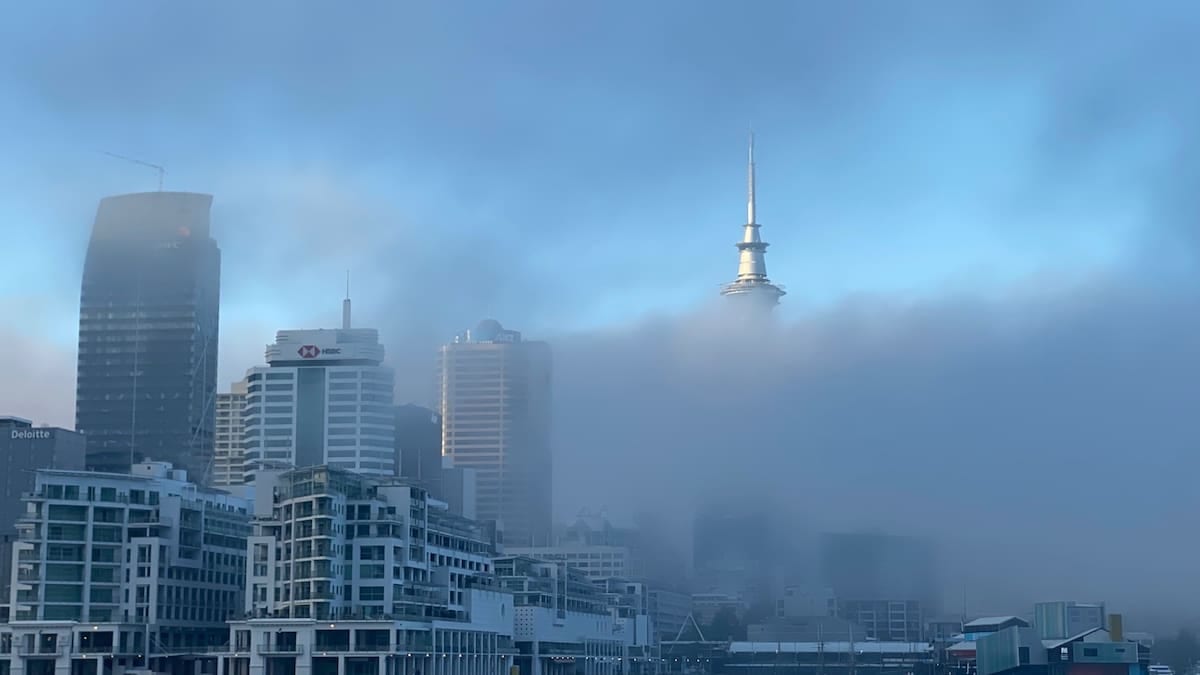
Fog Clears After Morning of Disruption
Published flight-status boards and local media reports for Wednesday, 26 August 2026, show that dense fog around Auckland Airport sharply reduced visibility during the early peak, triggering low-visibility operating procedures and cutting runway capacity. As conditions deteriorated, airlines consolidated their schedules, leading to a rising tally of disrupted services.
Across the morning period, data compiled from airline and airport tracking services indicates that 42 flights linked to Auckland were either cancelled outright or departed and arrived significantly behind schedule. Most of the affected services were domestic, particularly short regional hops that are more exposed to low cloud and fog constraints.
By late morning, visibility had improved sufficiently for normal approach and departure patterns to resume. Live departure and arrival boards showed mainline trunk routes stabilising first, followed by a gradual recovery across regional links as aircraft and crews returned to position.
Regional Routes Bear the Brunt
The greatest impact fell on regional connections into and out of Auckland, where turboprop services on shorter sectors have less flexibility to absorb extended holding patterns or divert to alternative airports. Flight-tracking listings for services between Palmerston North and Auckland, for example, show flight NZ5966 on 26 August 2026 marked as cancelled, reflecting how marginal morning conditions can unravel tightly timed regional schedules.
Comparable disruption patterns were visible on other domestic corridors, with published coverage noting multiple cancellations and rolling delays for early services serving secondary centres. Earlier this winter, similar fog events at Auckland generated several dozen affected flights in a single morning, underlining how quickly weather can cascade through the network when aircraft and crews are scheduled for multiple short sectors in one day.
Passengers on regional services typically face fewer rerouting options than those on major trunk routes, and today’s event again highlighted the dependence of smaller communities on reliable access through Auckland. Replacement flights were progressively slotted into the schedule as conditions improved, but many travellers were forced to wait for later departures or rebook for another day.
Main Trunk and International Services Recover Faster
Publicly available information from airline and airport boards indicates that Auckland’s main domestic trunk routes and most international flights experienced fewer cancellations but still faced pockets of delay as the fog lingered. Larger jets operating between Auckland, Wellington and Christchurch, as well as trans Tasman and long haul services, typically use more sophisticated landing and navigation technology, which can help maintain movements once minimum visibility thresholds are met.
Even so, the morning’s restrictions created knock on effects on departure slots, with some services leaving later than planned while air traffic controllers sequenced movements to match the reduced capacity. International flights that did depart or arrive near their scheduled times were often operating within tighter margins as ground handling teams and border processes adjusted to compressed turnaround windows.
By early afternoon, publicly accessible tracking sites showed most long haul and trans Tasman services running close to schedule, suggesting airlines and the airport had largely absorbed the earlier disruption. Domestic recovery for regional routes continued into the day as aircraft rotation patterns normalised.
Operational Resilience Under the Microscope
The latest fog related disruption comes as Auckland Airport continues multi year investment in airfield and terminal infrastructure, detailed in recent financial and regulatory disclosures. Those documents describe major spending on runway surfaces, lighting and airfield systems intended to improve reliability and support operations during adverse weather.
Industry analysis frequently highlights Auckland’s role as New Zealand’s primary international gateway, supporting tens of thousands of jobs and significant tourism and trade flows. Short term weather related shocks, such as today’s fog event, can temporarily constrain those flows, but they also spotlight the importance of resilient systems and clear passenger communication.
Recent technology upgrades by airlines across New Zealand, including improved disruption management tools and self service rebooking options, are designed to speed up recovery when events like fog or strong winds strike. Observed patterns from today’s schedule suggest that, while dozens of services were affected, the network was able to return to near normal operations relatively quickly once restrictions lifted.
Advice for Travellers During Fog Season
Public guidance from Auckland Airport, airlines and consumer advocates consistently recommends that travellers treat winter and early spring mornings as higher risk periods for fog related disruption. Forecasts for low cloud and reduced visibility are typically issued in advance, but the precise timing and severity of fog can be hard to predict, leading to late operational decisions.
Passengers are encouraged, through airline and airport websites, to monitor live flight status before leaving for the airport and to allow extra time for check in and security when adverse conditions are expected. Travellers connecting from regional services to international flights are often advised to plan longer layovers during the fog prone months to reduce the risk of missed onward connections.
Today’s event, with 42 flights cancelled or delayed before normal operations resumed, illustrates the continuing sensitivity of domestic air travel to local weather around major hubs. While visibility has now improved and restrictions at Auckland Airport have lifted, the disruption provides another reminder that flexibility and up to date information remain essential tools for travellers flying in and out of New Zealand’s busiest gateway.
https://www.airportia.com/flights/nz5966/palmerston-north/auckland/
https://www.flightaware.com/resources/airport/NZAA/weather
https://www.thetraveler.org/morning-fog-disrupts-auckland-airport-with-36-flights-affected/