


More news on this day
Thick morning fog around Auckland Airport has disrupted the start of the travel day, with reports indicating 36 domestic services were cancelled or delayed as low visibility narrowed runway operations and slowed the regional network.
Get the latest news straight to your inbox!
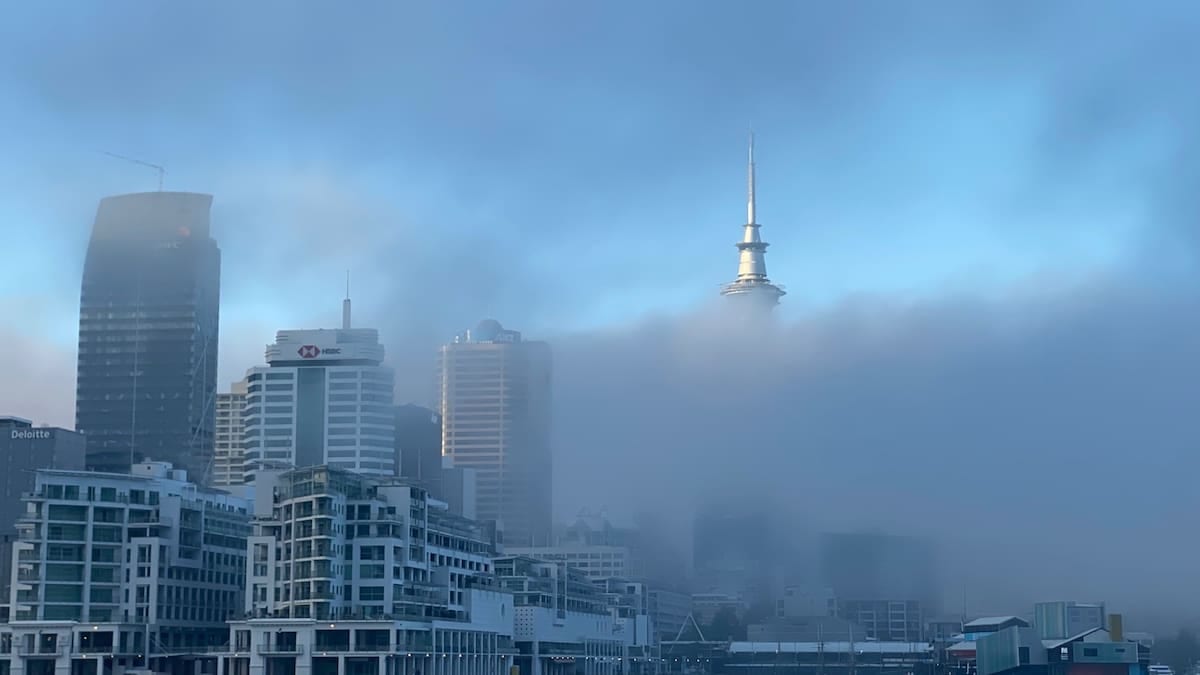
Low Visibility Triggers Cancellations and Delays
Publicly available flight-status data and local coverage point to a concentrated band of disruption in the early hours, as visibility at Auckland Airport dropped to levels that limited aircraft movements. While larger jets on main trunk routes typically operate with more robust landing systems, shorter regional services using turboprop aircraft are more sensitive to low cloud and fog, resulting in a higher share of cancellations and delays in this group.
Among the affected services were multiple early domestic arrivals and departures that either left significantly behind schedule or did not operate at all. Tracking platforms show a pattern of regional flights marked as cancelled or heavily delayed in the first part of the morning, before conditions gradually improved and more flights were able to depart closer to schedule later in the day.
The total of 36 disrupted flights includes a mix of outright cancellations and delays that stretched beyond usual turnaround buffers. This combination created pressure on gate availability and aircraft rotations, making it harder for airlines to restore normal operations quickly once the fog began to lift.
Regional Routes Bear the Brunt
The majority of the operational impact has fallen on regional links feeding into Auckland, where airlines rely on tight scheduling to connect passengers to onward services. Publicly accessible logs for recent days show regional flights between Auckland and smaller centres such as Palmerston North and Blenheim among those most vulnerable to weather-related disruption, including cancellations and significant departure delays when visibility deteriorates.
When early morning turboprop flights are grounded, aircraft and crews that would normally cycle through several sectors during the day can be left out of position. Historical flight-tracking data for New Zealand operations indicates that this kind of disruption often leads to a cascade of late departures and occasional further cancellations as the schedule attempts to absorb the shock of lost early rotations.
By contrast, long-haul and main domestic trunk services are less likely to be cancelled outright in fog events, instead tending to depart late once conditions meet operational minima. However, these late departures can still create missed connections for regional passengers, especially when minimum connection times are tight.
Knock-on Effects Across the Network
Today’s disruption adds to a run of winter-weather and capacity-related challenges for New Zealand aviation. Transport performance reports for recent seasons highlight fog and low cloud at Auckland as recurring contributors to domestic delay statistics, with peaks often recorded during the cooler months when temperature inversions make morning fog more persistent.
When a cluster of flights is cancelled or held on the ground, the effects ripple well beyond the immediate time window. Aircraft and crews may not reach their next departure point in time, linking the morning fog bank in Auckland to schedule changes later in the day at airports around the country. Recent months have already seen airlines working to reduce reactionary delay minutes, with new technology and rebooking tools introduced to speed up disruption recovery across domestic and international networks.
Passengers whose flights operate but depart late can also encounter difficulties at their destinations, such as missed connections to ferries, intercity buses or regional commuter services. In previous weather events affecting Auckland, local transport alerts have recorded minor delays to ferry and other services when visibility across the harbour has been reduced by fog.
What Affected Travellers Can Do
Publicly available guidance from Auckland Airport, airlines and consumer organisations consistently recommends that travellers check the live status of their flight before leaving for the airport, particularly on winter mornings when fog is forecast. Airline websites, mobile apps and text notifications are typically the fastest way to see whether a service is expected to depart on time, has been delayed, or has been cancelled and rebooked.
New Zealand consumer advice also stresses the importance of understanding the difference between disruptions that are within an airline’s control and those that are considered weather-related. Under the Civil Aviation Act and international frameworks, compensation rules can differ depending on the cause, although airlines may still provide options such as free rebooking or credits when weather stops flights from operating safely.
Travel insurance policies vary widely, but many offer some cover for additional accommodation, meals or alternative transport when severe delays or cancellations occur. Travel advocates encourage passengers to retain boarding passes, airline notifications and receipts for any extra expenses, in case these are needed later to support an insurance or cost-recovery claim.
Travel Outlook as Conditions Improve
Forecast information for the Auckland area indicates that the thickest fog is expected to clear as daytime temperatures rise, with flight operations likely to stabilise through the afternoon. However, the morning disruption means some services may remain off-schedule, and a small number of later flights could still be subject to retiming while airlines work to realign aircraft and crews.
Travelers due to depart Auckland later in the day are advised, through publicly available airport and airline advisories, to continue monitoring their booking channels for any last-minute changes. Those connecting from regional centres into Auckland should pay particular attention to minimum connection times, as even moderate knock-on delays could tighten margins for onward international departures.
While the current episode centres on a single fog event, recent performance data and historical climate summaries for New Zealand show that similar conditions can recur several times over a winter. For passengers planning trips in the coming weeks, building extra time into itineraries, especially for early-morning departures or tight regional connections through Auckland, remains a pragmatic way to reduce the risk that a patch of low cloud will disrupt broader travel plans.
Auckland Airport weather and METAR data
NIWA New Zealand 2022 Annual Climate Summary