


More news on this day
Dense fog has reportedly brought tender operations to an abrupt halt during a Holland America Line port call, stranding guests ashore and triggering fresh scrutiny of how cruise lines plan for weather-sensitive transfers between ship and shore.
Get the latest news straight to your inbox!
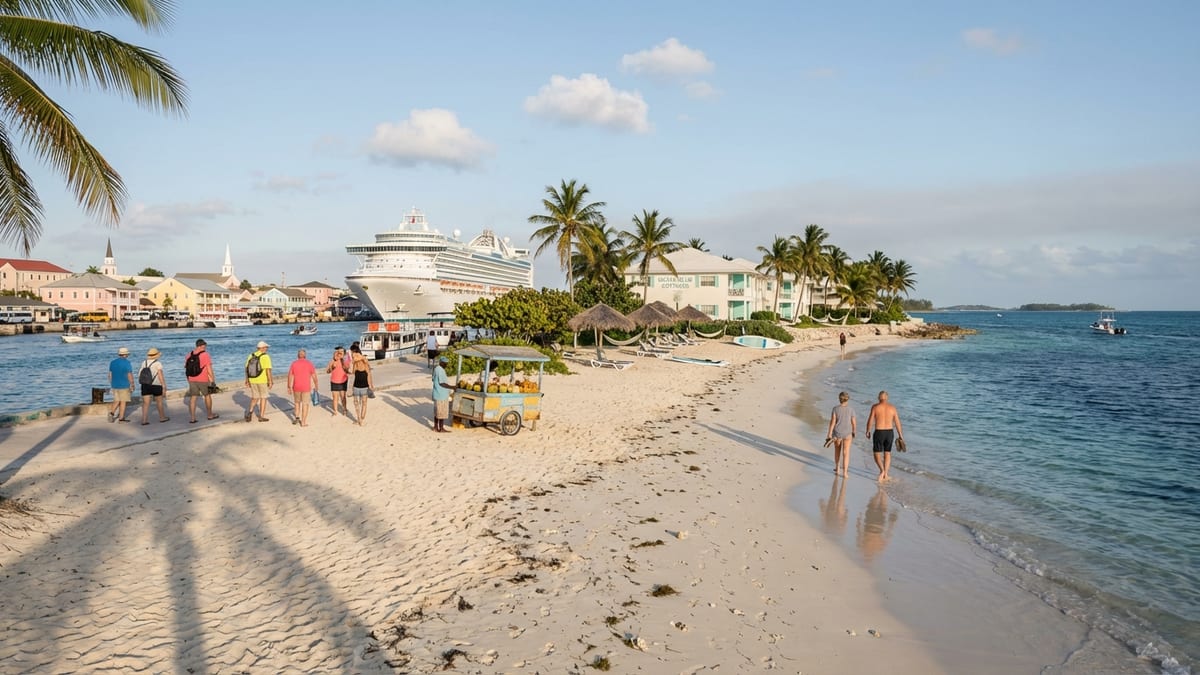
Fog Disrupts Ship-to-Shore Transfers
Reports from passengers and cruise-tracking data indicate that a Holland America Line vessel was anchored off a port when deteriorating visibility led to the suspension of tender service, the small boats that shuttle guests between the ship and the pier. With the ship unable to safely dock and tenders paused in low visibility, hundreds of guests remained ashore as conditions worsened.
Publicly available accounts describe heavy fog, rain and wind combining to create challenging conditions for the small craft. In tender ports, where the cruise ship cannot use a pier, these boats are the only means for passengers to go ashore and return to the vessel. When visibility drops, operators typically slow or halt service until they judge that it is safe to resume.
Guest accounts shared on cruise-focused forums and social media suggest that while some passengers managed to return to the ship before tender service was curtailed, others were left waiting on land with limited information on when transfers would restart. For many, the incident cut into already short days in port and raised questions about how weather contingencies are communicated.
Safety Concerns Around Tender Operations
Tendering is a routine part of many cruise itineraries, but it is also one of the most weather-dependent phases of a voyage. Cruise lines generally emphasize that operations can be delayed or canceled if wind, swell or visibility reach levels that make boarding or maneuvering unsafe. Historical incidents, including past accidents involving tenders in rough seas, have kept attention on safety practices during these transfers.
Available industry guidance underscores that fog and sea state can force rapid changes, with captains and shoreside teams weighing navigational risks against schedule commitments. When tenders are running, crew members oversee embarkation at the ship and shore, and boarding can become especially difficult for guests with mobility limitations if conditions are less than calm.
In the latest disruption, passenger reports describe tenders moving slowly in limited visibility before operations were halted altogether. While guests typically accept that safety considerations may outweigh the day’s plans, frustrations often grow when changing conditions are combined with crowding, long waits and unclear timelines for resuming service.
Guest Experience and Communication Challenges
Accounts from recent Holland America sailings highlight how critical clear communication can be when tender operations are affected. On online forums, travelers have described waiting in long lines for tender tickets, spending extended periods in staging areas and learning of delays only after arriving at the pier. Some reports reference port days where early-morning operations ran relatively smoothly, only for congestion and confusion to build as more passengers tried to move between ship and shore.
In the fog-affected call, travelers ashore reportedly faced uncertainty about when or whether tenders would restart, with some noting that excursions were disrupted and independent sightseeing time was cut short. While weather-related delays are not unusual in cruising, guests frequently point to inconsistent updates or last-minute schedule shifts as the most stressful aspects of such events.
Observers note that tender-heavy itineraries can be especially vulnerable to these issues, as each transfer requires coordination among shipboard staff, local authorities and, in some cases, third-party operators. When conditions change quickly, ensuring that information reaches passengers in a timely and understandable way becomes a significant test of a line’s operational resilience.
Patterns at Tender-Only Ports
The latest reports come against a backdrop of other recent complaints about tender logistics at ports where Holland America ships cannot dock directly. On some Alaska itineraries, for example, guests have described a combination of weather, infrastructure constraints and high demand leading to long queues and missed time ashore. In several online accounts, passengers characterized tender days as the most stressful portions of otherwise well-regarded voyages.
Industry materials show that cruise lines maintain lists of ports where tendering is required and warn that disabled guests or those with limited mobility may face restrictions when sea conditions deteriorate. Even with specialized lift systems and trained crew, rolling seas, strong currents or poor visibility can prompt companies to limit or suspend access to protect passengers and staff.
The fog-related suspension underscores how quickly conditions at these ports can change. A day that begins with relatively smooth operations can shift within an hour if a weather system moves in, leaving guests ashore while the ship remains safely at anchor just offshore.
Calls for Better Planning and Transparency
The incident has renewed discussion among frequent cruisers about how lines plan for and communicate around tender-related risks. Travelers commenting on recent disruptions have urged companies to provide more detailed pre-cruise information about which ports are tender-only and how weather could affect access, as well as clearer same-day updates when conditions change.
Some seasoned passengers advocate booking ship-organized excursions on tender days, arguing that cruise lines are more likely to adjust departure times or hold tenders for guests on their own tours. Others recommend building in extra flexibility, avoiding tight independent schedules ashore and preparing for the possibility that a port call could be shortened or skipped if weather or safety thresholds are exceeded.
While the full operational details of the latest fog disruption remain limited to guest reports and publicly visible ship-tracking data, the episode highlights an enduring reality of cruising at anchor: when visibility drops and tenders stop, safety decisions made in a matter of minutes can reshape an entire port day for hundreds of travelers.