


More news on this day
A residential “forever cruise” ship that abruptly left more than 200 passengers stranded in Cambodia after its operator ran out of money has been seized in Singapore, deepening uncertainty over refunds, future sailings and the fate of an ambitious live‑aboard project that promised years of continuous global travel.
Get the latest news straight to your inbox!
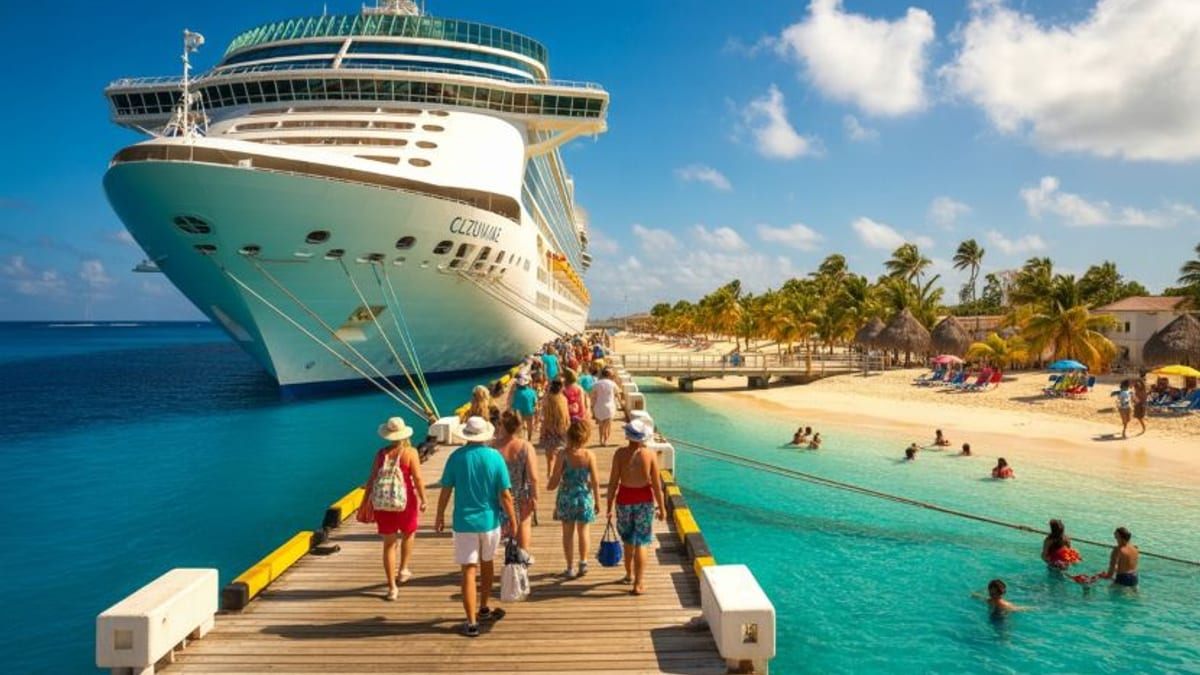
From retirement dream to abrupt disembarkation in Cambodia
The MV Odyssey, marketed by US-based company Villa Vie Residences as a residential “cruise for life” concept, set out in October 2024 on what was billed as a multi-year, continuously circling voyage. Prospective residents paid hundreds of thousands of dollars for long-term or lifetime leases on cabins, with the promise of turning the ship into a floating community that would visit hundreds of ports around the world.
Publicly available information indicates that the project had struggled for months with financing and fuel costs before its sudden halt. Internal messages and media coverage describe residents being asked to contribute additional funds to cover operating expenses, including a reported US$400,000 transfer from one passenger’s personal bank account to pay a fuel supplier earlier in the voyage.
The journey came to an abrupt end in late October 2026, when the ship arrived in Sihanoukville, Cambodia. Reports from passengers and local officials indicate that residents were given only hours to pack their belongings and leave the vessel after Villa Vie suspended operations, citing surging fuel prices and an inability to continue the itinerary. More than 200 people who had planned to live at sea found themselves suddenly searching for hotels and flights from a provincial port city.
Coverage from regional outlets describes a hurried disembarkation at Sihanoukville Autonomous Port and a departure shortly afterward with only crew remaining on board. While some residents quickly arranged onward travel, others remained in Cambodia weighing their options, facing unplanned accommodation costs and uncertainty over whether substantial upfront payments for cabins would be returned.
Ship arrested in Singapore over alleged unpaid fuel bills
After leaving Cambodia without passengers, the Odyssey sailed to Singapore, Southeast Asia’s main maritime hub. According to coverage of court filings and statements from the Maritime and Port Authority of Singapore, the vessel was placed under arrest shortly after its arrival, following claims linked to unpaid fuel and other financial obligations.
In maritime law, a ship arrest is a civil enforcement measure that allows creditors to detain a vessel while courts examine claims such as unpaid bunker fuel, services or financing. The Odyssey is now being held in Singapore under a court order, with media reports citing a dispute over significant fuel-related debts incurred while the ship was operating its residential cruise program.
Regional news outlets report that the order prevents the vessel from leaving port while proceedings continue. Industry analysts quoted across several reports say that such arrests can lead to auction of a ship if creditors and owners do not reach a settlement, although no final outcome has been announced in this case.
Singapore routinely handles ship arrests for bunkering and financing disputes, and the Odyssey’s detention places it within a well-established legal framework. For now, the ship is moored in one of the region’s busiest harbors, while the people who once called it home remain scattered across hotels, rented apartments and onward transit routes.
Stranded residents seek refunds and legal clarity
The sudden collapse of the voyage has left many former residents facing complex questions over contracts, refunds and ongoing housing costs. Media interviews and public posts by passengers describe cabin purchases of US$300,000 or more, in some cases representing retirement savings or proceeds from the sale of homes on land.
Publicly available information shows that Villa Vie has cited unaffordable fuel prices and operational costs as the reason for suspending the cruise, but detailed refund policies and timelines have not been fully clarified. Some passengers have turned to lawyers in their home countries to examine contract terms and potential claims against the company or associated entities.
Because the Odyssey is flagged and managed through multiple jurisdictions, any legal recourse may involve courts in more than one country, including the flag state, Singapore as the arresting jurisdiction, and nations where passengers signed their contracts. Maritime and consumer law specialists quoted in news reports note that such cross-border disputes can take months or years to resolve.
For now, former residents are focusing on immediate concerns: recovering belongings left on board, securing documentation of their payments, and arranging stable accommodation after what was intended to be a long-term move to sea. Passengers have set up online groups to share information on legal options, insurance responses and any communications from the operator or its creditors.
What the Odyssey case signals for “live at sea” cruising
The seizure of the Odyssey has drawn attention to the fast-evolving niche of residential and “world cruise” products that invite travelers to live aboard for months or years at a time. While traditional world cruises are typically sold as fixed-duration itineraries by large cruise brands, residential concepts promise a semi-permanent lifestyle, often marketed as an alternative to retirement communities on land.
Analysts following the sector point out that such projects require substantial and stable long-term financing, along with realistic forecasting of fuel, maintenance and staffing costs. Public reports about the Odyssey indicate repeated calls for additional passenger funding and last-minute payments to suppliers, which specialists say can be warning signs that a business model is under pressure.
The situation is also prompting questions about consumer protections for passengers committing large upfront sums to multi-year or lifetime products. In many cruise markets, regulators require trust accounts, bonding or insurance to protect advance payments for conventional itineraries. It is not yet clear from public reporting what safeguards were in place for residents of the Odyssey, or how those mechanisms will operate now that the ship is under court control.
Prospective buyers of similar residential offerings are being encouraged, in commentary across financial and travel media, to review contract language carefully, ask detailed questions about ship ownership and debt, and seek independent legal or financial advice before committing large sums. The Odyssey’s arrest in Singapore has quickly become a reference point in those discussions.
Ongoing uncertainty for Cambodia and Singapore as key backdrops
The ports of Sihanoukville and Singapore have become central to the story of the Odyssey’s downfall. Cambodian officials have described the disembarkation as an emergency measure after the operator indicated it could no longer afford to sail, leaving local authorities and tourism providers to help hundreds of unexpected visitors find short-term accommodation and transport.
Singapore, in turn, now hosts the empty residential vessel at the heart of a growing legal and financial tangle. The city-state’s courts will play a decisive role in determining how creditor claims are handled and whether the Odyssey is eventually released, sold or repurposed under new ownership.
As of November 10, 2026, publicly available reports do not indicate a confirmed long-term solution for the ship, nor a comprehensive settlement plan for passengers’ investments. For travelers and would-be sea residents watching from afar, the case offers a stark illustration of how quickly an ambitious travel concept can unravel when funding runs dry, and how the legal mechanisms of global shipping step in once a cruise becomes a financial casualty.