


More news on this day
Travellers heading to and within Spain this week are being warned to expect the most severe nationwide transport disruption in more than a decade, as a 24 hour general strike and overlapping rail walkouts hit flights, long distance trains and urban networks across the country.
Get the latest news straight to your inbox!
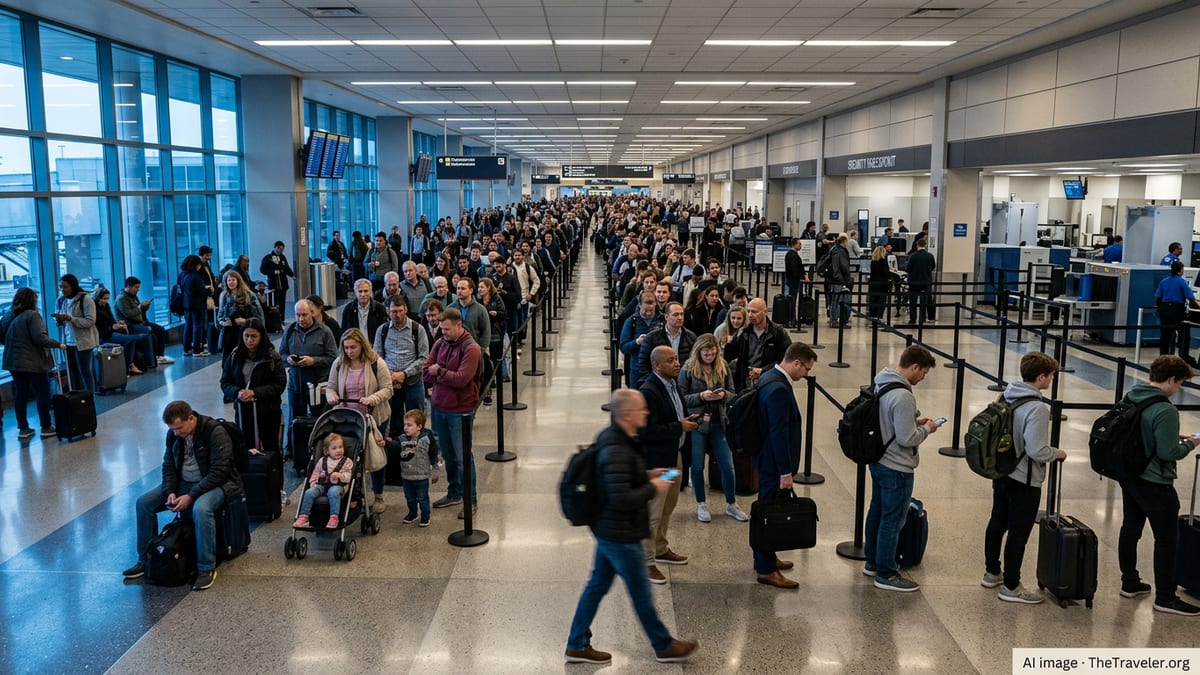
General strike set to paralyse key transport links
Spain’s main trade union federations CCOO and UGT have called a 24 hour general strike for Wednesday 11 November, the first such nationwide action they have backed in 14 years. Publicly available information indicates the walkout is focused on pay, housing affordability and the rising cost of living, but its most immediate impact will be felt by travellers relying on air and rail connections.
Reports in Spanish and international media describe the strike as part of a broader wave of social unrest, but note that it stands out for its scale and coordination across sectors. Transport, schools, health care and parts of the civil service are all expected to be affected. For visitors, the most visible problems are likely to be at airports, on high speed lines linking major cities and on commuter services in metropolitan areas.
The general strike falls in the middle of a week already marked by targeted stoppages by Renfe train drivers and other rail unions. As a result, disruption is expected to extend beyond the 24 hour window of the national action, with cancellations and reduced frequencies on 10, 11 and 12 November, and the prospect of further rail strikes later in the month.
Flights to and from Spain facing cancellations and delays
Air travel will be hit by a combination of strike participation among ground staff and air traffic workers, as well as knock on effects from reduced public transport links to airports. Business travel advisories and airline notices highlight Madrid Barajas and Barcelona El Prat as particular pinch points, alongside busy leisure gateways such as Malaga, Palma de Mallorca and Alicante.
According to published coverage of the minimum service orders, Spain’s transport ministry has authorised between roughly one fifth and more than four fifths of scheduled flights to operate on 11 November, depending on the route category. Domestic routes where rail is a viable alternative are seeing some of the deepest cuts, while a higher proportion of international and island services are being protected.
Major carriers serving Spain, including the Iberia group and several low cost airlines, have released strike specific rebooking policies. Publicly available information shows that affected passengers are being offered options such as free date changes, credit vouchers or rerouting at no extra cost when flights are cancelled due to the strike. Travellers are being urged to check their airline’s app or online status page repeatedly in the 24 hours before departure, as same day cancellations remain possible.
Airport operators have warned of potential queues at security and check in even for flights that are running, particularly at peak morning and evening periods. Travellers who would normally rely on commuter rail or metro services to reach the airport are being advised to allow extra time and consider taxis or airport buses instead, given the reduced train frequencies.
Rail strikes compound pressure on Spain’s network
Spain’s rail system entered a period of rolling disruption on Tuesday 10 November, when a 24 hour strike by Renfe drivers led to widespread cancellations on commuter lines in Madrid, Rodalies services around Barcelona and several regional routes. Local reporting from major cities describes dozens of early morning trains that failed to depart, leaving platforms crowded and forcing passengers to seek last minute alternatives.
The drivers’ action is being staged by the Semaf union and overlaps directly with the general strike on 11 November. Renfe has published minimum service timetables for the day of the general walkout, after the Ministry of Transport set legally mandated thresholds for essential services. These documents indicate that around seven in ten high speed and long distance trains are scheduled to run, but commuter and regional services will see much deeper cuts, particularly outside peak hours.
Information made public by Renfe and Spain’s consumer authorities in recent months also highlights the rights of rail passengers when services are cancelled or heavily delayed for reasons such as strikes. Depending on the ticket type and length of delay, travellers may be entitled to a full refund, rerouting at the earliest opportunity, meals, accommodation where necessary and, in some cases, additional financial compensation. Passengers are being encouraged to keep boarding passes, delay confirmations and any receipts for extra costs.
Further ahead, sector publications point to the risk of renewed disruption later in November, with a broader rail sector strike already announced for 17 November. That action would potentially involve multiple operators, including Renfe and private high speed competitors, creating additional uncertainty for those planning rail based itineraries across Spain.
Urban and regional transport to run on skeleton services
The impact of the strike on everyday mobility within Spain will be most visible in its major cities. Minimum service decrees for local transport networks published by regional governments outline heavily reduced frequencies on metros, trams and buses. In Madrid and Barcelona, for example, official notices indicate reduced services during off peak hours, with somewhat higher minimum levels preserved during morning and evening rush periods.
For travellers, this means that getting between city centres, railway stations and airports may be significantly slower than usual. Reports from the first day of the rail drivers’ strike already show long waits on some suburban lines feeding into Madrid’s Atocha and Chamartín stations, as well as delays on Malaga’s C1 coastal commuter route that links the city with its airport and resort towns along the Costa del Sol.
Regional coach operators and long distance bus companies are expecting increased demand from passengers who find their trains cancelled. Some have announced additional services on key intercity corridors, although timetables remain constrained by driver availability and strike participation in their own workforces. Travellers who depend on buses to reach more rural destinations may face indirect impacts if connecting train services are disrupted.
Taxi and ride hail services in tourist centres are also likely to come under pressure, particularly around airports, cruise terminals and major conference venues. Organisers of large events, including international congresses scheduled in Spanish cities this week, have begun issuing advisories urging delegates to allow extra time for transfers and to consider walking between central venues where possible.
Advice for travellers with imminent plans
Travel organisations and consumer bodies are advising visitors who have bookings in Spain over the coming days to review their entire journey, not only flight or train tickets. This includes checking how to get from the airport or station to accommodation, confirming hotel check in flexibility and making sure that any time sensitive activities such as guided tours can be rearranged if arrivals are delayed.
Passengers are being urged to monitor official updates from airlines, rail operators and local transport companies rather than relying solely on third party booking sites or static timetables. Many operators now provide disruption specific pages where travellers can look up whether their train or flight is affected by the strike, and in some cases download certificates confirming delays or cancellations that may be required for insurance claims.
Given that this is Spain’s first nationwide general strike backed by its largest unions in 14 years, transport analysts quoted in recent coverage suggest that participation is likely to be high. While minimum service rules should prevent a complete shutdown, tourists should be prepared for crowded services, longer waiting times and the possibility that carefully planned multi segment journeys may need to be reconfigured at short notice.
Where possible, some travel planners are recommending that visitors with flexible schedules shift non essential journeys away from 10 to 12 November, or build in additional buffer days at the start or end of trips. For those who must travel during the strike period, packing light, carrying essential medication and valuables in hand luggage, and keeping digital copies of documents can all help reduce stress in the event of unexpected delays.