


More news on this day
Across major rail markets, operators are turning to new protective coatings, films and refurbishment programs that promise to shield trains from damage while enhancing how rolling stock looks to passengers and the wider public.
Get the latest news straight to your inbox!
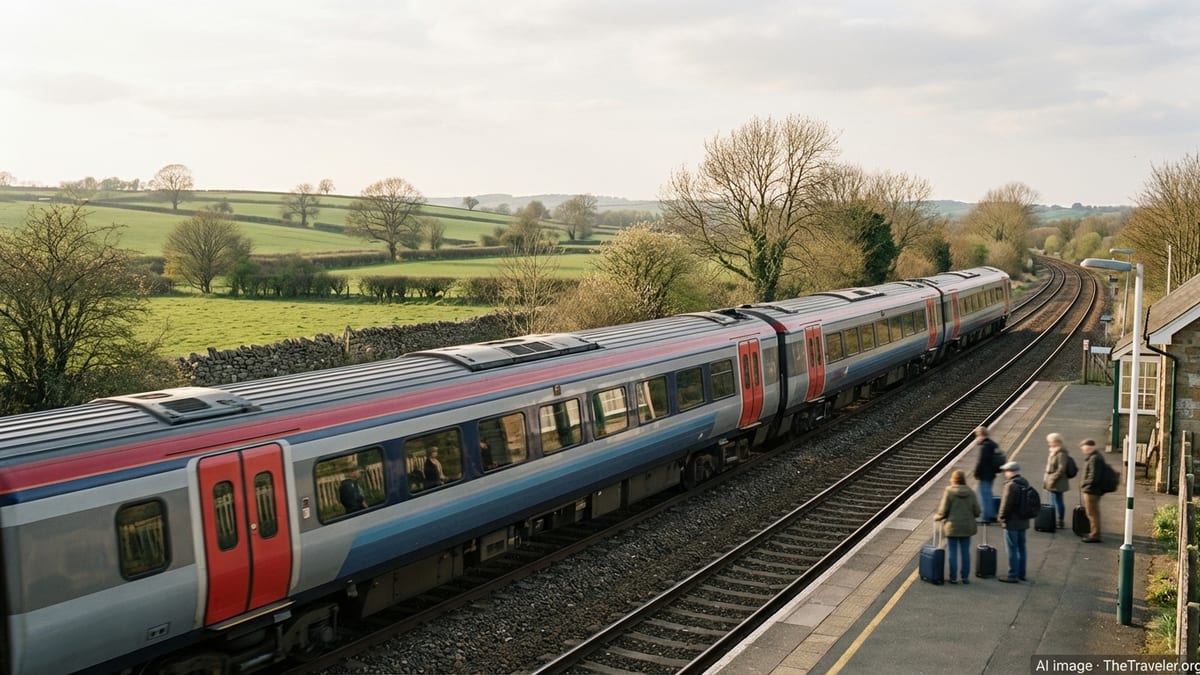
From Corrosion Barriers to High-Gloss Finishes
Rail fleets are exposed daily to rain, UV radiation, industrial pollution and de-icing chemicals, all of which can quickly degrade paintwork and metal surfaces. In response, manufacturers and suppliers have been expanding the range of specialist coatings that protect car bodies while delivering a cleaner, glossier finish that supports brand visibility.
Recent product launches highlighted in industry publications describe multi-layer coating systems that combine corrosion resistance with smooth, high-gloss topcoats designed specifically for rail environments. These systems aim to extend repainting cycles, cut down on unscheduled cosmetic repairs and keep liveries looking fresh for longer periods between heavy overhauls.
Suppliers active in this segment are positioning their technologies as a way for operators to balance long-term durability with appearance. Marketing material emphasizes that by investing in premium topcoats, train owners not only slow structural degradation but also project an image of reliability and care, especially on high-traffic commuter and regional routes where visual wear can accumulate quickly.
In parallel, thin-film surface treatments traditionally used in other mobility sectors are being adapted to certain rail components. Publicly available product information indicates that these hard, wear-resistant layers are intended to maintain color stability and uniform textures on exposed parts, helping trains retain a modern look under demanding operating conditions.
Anti-Graffiti Technologies Move Mainstream
Graffiti remains a persistent challenge for many networks, affecting both vehicle exteriors and interior fittings. Cleaning costs and downtime can be significant, prompting operators to look for solutions that make it easier to remove paint without repeated abrasive work or full resprays.
Coating manufacturers and powder-coat specialists have responded with certified anti-graffiti systems now in use on both interiors and exteriors, according to recent technical coverage. These products are formulated so that marker ink and spray paint sit on the surface and can be washed off with approved cleaning agents, reducing staining and limiting the need for sanding or repainting.
Trade publications also point to protective films specifically marketed to the rail sector. These transparent or printed films can be applied to side walls, doors and decorative panels, acting as sacrificial layers that are peeled away when heavily marked. By preserving the original substrate beneath, they help operators maintain a consistent appearance across fleets, even in locations where vandalism is frequent.
New upholstery fabrics and interior laminates promoted at major railway trade fairs are increasingly described as “anti-graffiti” or “easy-clean.” The surface chemistry and textures of these materials are engineered so that paints do not bond strongly, meaning seats, partitions and wall panels can be returned to service quickly after cleaning without visible shadowing.
Refurbishment Programs Focus on Visual Impact
Alongside new materials, many operators are investing in mid-life refurbishment projects that put visual impact at the center of their scope of work. Recent announcements in the United Kingdom and continental Europe describe multi-million‑currency refresh programs that combine mechanical overhauls with extensive interior and exterior cosmetic upgrades.
Typical elements include full exterior repainting or polishing, renewed branding, and deep cleaning to remove accumulated grime from car shells. Inside the vehicles, work often covers fresh wall panels, updated color schemes, new vinyls designed to deter graffiti, and renewed lighting that better showcases the refitted interiors.
Industry commentary notes that these projects are intended not only to extend asset life but also to signal reinvestment to passengers, particularly where fleets are expected to remain in service for another decade or more. By pairing protective coatings with updated designs, operators aim to create trains that feel modern even when the underlying vehicles are not brand new.
Some maintenance centers have been promoted as one‑stop facilities where refurbishment, repainting, rebranding and structural repairs are delivered under a single program. Publicly available case studies from these plants emphasize how coordinated work on both protection and aesthetics can shorten downtime while yielding a more coherent, higher-quality appearance across a class of trains.
Designing Protection into New-Build Trains
For new rolling stock, many of these protective strategies are being embedded from the design stage. Train builders and material suppliers showcasing at international rail exhibitions are highlighting body shells, cab fronts and interior components that integrate coatings, laminates and films as part of the original specification rather than as later add-ons.
Press material for upcoming trade fairs outlines innovations such as exterior films with built-in UV and graffiti resistance, body panels that can be wrapped with branded graphics while still meeting fire and safety standards, and front-end systems that combine impact protection with smoother aerodynamic lines. These solutions are promoted as contributing to both energy savings and a more refined visual profile over the train’s life.
In interiors, resin-based topcoats approved to rail fire standards are increasingly paired with color-stable pigments and textures designed to disguise minor scuffs and wear. This approach, highlighted in specialist coatings media, aims to keep high-touch areas like doorways, vestibules and seat shells looking tidy despite intensive daily use.
Material suppliers marketing advanced polymers for rail also stress the role of color-integrated plastics that do not require post-painting. By molding components in the final shade and finish, they seek to reduce chipping and peeling while simplifying repair, since replacement parts arrive with appearance and protection aligned.
Balancing Cost, Sustainability and Passenger Perception
Behind the technical developments, a broader debate is unfolding over how much operators should spend on appearance relative to other priorities such as punctuality and capacity. Passenger discussions captured in online forums show a mix of views: some travelers place high value on immaculate exteriors as a sign of investment, while others prioritize comfort, reliability and seat design over aesthetics.
Rail policy documents and industry white papers increasingly frame protective technologies in terms of lifecycle cost and sustainability. Longer-lasting coatings that minimize repeat applications, and films that enable selective replacement rather than full panel renewal, are positioned as ways to cut material use and reduce the environmental footprint associated with maintenance.
At the same time, operators in several countries face heightened expectations about cleanliness and safety after the pandemic years. The visual condition of trains, including whether graffiti and heavy staining are tolerated, is seen in some public commentary as an indicator of overall system care. Protective measures that help crews keep vehicles visibly clean therefore have a role in supporting passenger confidence.
As new products move from pilot projects into wider deployment, the rail sector appears to be converging on an approach in which protecting trains and improving their appearance are treated as two sides of the same objective. By specifying coatings, films and materials that are both robust and visually refined, operators aim to keep fleets in service longer while presenting a more attractive face to the communities they serve.