


More news on this day
Air travel across Europe is facing a fresh wave of disruption as tracking data and passenger-rights platforms point to 1,343 delayed flights and at least 20 outright cancellations affecting routes through Sweden, Germany, Portugal and other countries, with knock-on impacts for carriers such as easyJet, Finnair and KLM at major hubs including Madrid and Lisbon.
Get the latest news straight to your inbox!
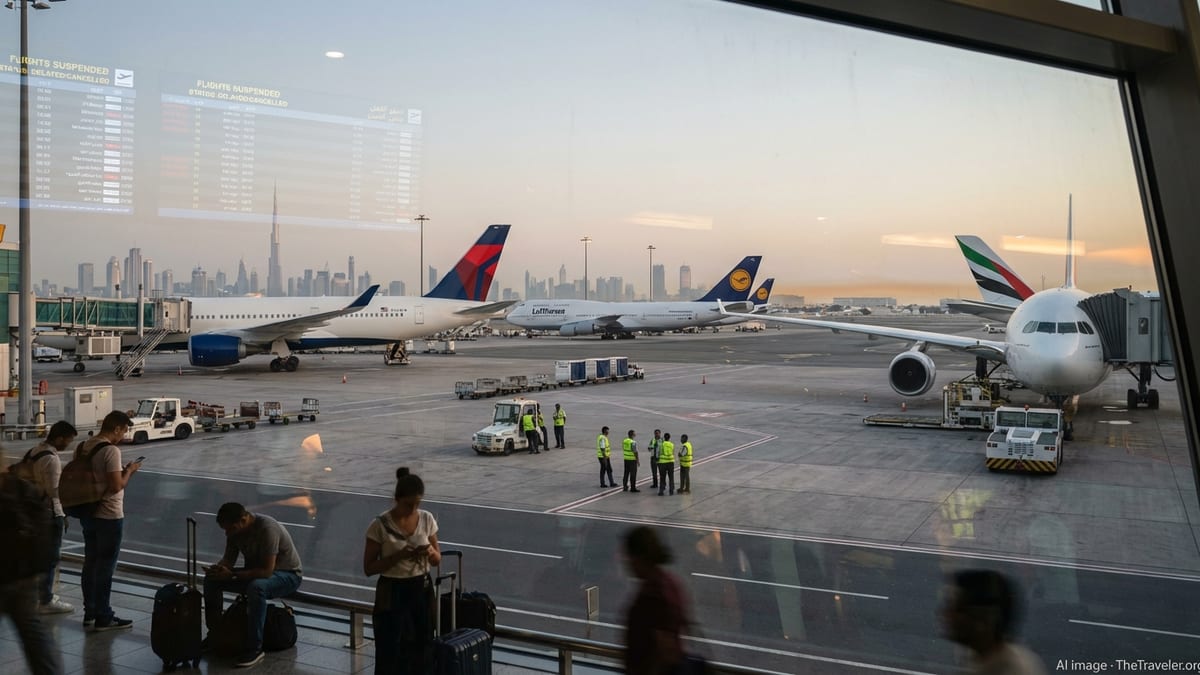
Delays Mount Across Scandinavia, Germany and Iberia
Operational data from delay-monitoring services and airport statistics indicates that European carriers have entered May with elevated disruption levels compared with the seasonal norm. Hundreds of departures and arrivals touching Sweden and Germany have been pushed back, feeding a wider tally of 1,343 delays across the continent on a single operating day, according to publicly available tracking dashboards. These hold-ups range from short ground stops of 30 to 40 minutes to delays of several hours that have forced missed connections and rebookings.
Germany continues to be a focal point after weeks of industrial disputes and previous schedule reductions. Reports from German and Swiss news outlets describe repeated rounds of disruption tied to labor actions at large network airlines and their subsidiaries, which have periodically thinned out flights into and out of Frankfurt, Munich and other hubs. Even on days without active strikes, airlines are still working through imbalances in aircraft and crew rotations created by earlier cancellations.
In Sweden and the wider Nordic region, carriers are contending with a mix of late-running inbound aircraft and airport congestion, particularly at key transfer points. Finnair, which relies heavily on Nordic and European feeder routes to support its long-haul network, has seen select services retimed or consolidated on busy days, based on schedule adjustments visible in online timetables and passenger reports. While most flights are still operating, the margin for delays has narrowed, placing added stress on tight connections.
These regional pressures combine with a broader European backdrop of volatile fuel markets, evolving border-control procedures and lingering staffing constraints at ground-handling providers. Analysts cited in recent European aviation briefings note that the network now reacts more sharply to even modest disruptions, making it easier for a single local problem in Germany or Scandinavia to reverberate across much of the continent within hours.
Madrid and Lisbon See Cascading Operational Strains
Spain and Portugal have emerged as particular pinch points, as Madrid Barajas and Lisbon Humberto Delgado airports handle heavy flows of both intra-European and long-haul traffic. Eurocontrol’s latest punctuality reports point to recent improvement in average delay minutes at Madrid after a difficult winter period, but they also highlight how weather and congestion can still trigger rapid spikes in disruption when traffic is dense.
In Portugal, a mix of strong demand and constrained airport capacity has left Lisbon vulnerable to bottlenecks, especially during peak departure waves. Passenger-advocacy platforms tracking compensation-eligible events show cancellations and multi-hour delays on flights touching Lisbon, including services operated by or carried out on behalf of low-cost and network airlines. Recent entries include scrubbed connections between Lisbon and other European hubs on the same day that Madrid also recorded cancellations to northern Europe.
These disruptions translate into missed holiday departures, broken business itineraries and extended nights in airport hotels for travelers using Iberian gateways as transfer points. With Spain and Portugal among the most popular summer destinations for tourists from the United Kingdom and northern Europe, analysts warn that sustained operational fragility in Madrid and Lisbon could ripple across the wider European leisure travel market if not addressed before peak season.
Publicly available industry commentary also notes that some airlines have preemptively trimmed frequencies on marginal routes to conserve fuel and restore punctuality buffers. While such measures can reduce last-minute cancellations, they also leave remaining flights fuller, making same-day reaccommodation more difficult when disruptions do occur at hubs like Madrid and Lisbon.
Impact on easyJet, Finnair, KLM and Other Key Carriers
Among individual airlines, easyJet, Finnair and KLM stand out as prominent operators feeling the effects of the current wave of disruptions across Europe. EasyJet’s extensive short-haul network includes major operations in Spain and Portugal, with established crew and aircraft bases at airports such as Lisbon. Passenger-rights trackers list recent cancellations affecting easyJet flights in and out of Iberian airports, including services from Spanish coastal cities to the United Kingdom that were scrubbed or heavily delayed in early May.
Finnair, while less exposed to Iberian bases, is closely linked to the reliability of feeder routes from Sweden, Germany and other European points into its Helsinki hub. According to case summaries published by European passenger-complaint bodies, the airline has previously had to manage complex rebookings and hotel stays when technical or weather-related issues cascaded into missed long-haul connections. The current environment of tight schedules and busy hubs means similar disruptions can ripple faster, especially when partner airlines also face delays.
KLM continues to navigate a challenging operational landscape at Amsterdam Schiphol, an airport that has been under strain from capacity restrictions, weather-related de-icing delays and strong demand. Public discussions on aviation forums and Dutch media coverage in recent months reference waves of cancellations and schedule cuts by KLM and partner carriers, including reports that the airline has already removed a significant number of flights from its upcoming summer program. When onward legs to or from Madrid, Lisbon and other southern European destinations are affected, passengers can find themselves rebooked over alternative hubs or shifted by a full day.
Other European airlines, from low-cost rivals to full-service groups, are also visible in cancellation and delay logs tied to Germany, Portugal and Spain. Passenger-rights services list impacted flights operated by carriers such as Brussels Airlines, ITA Airways and TAP Air Portugal on routes connecting Madrid and Lisbon with northern Europe. Together they contribute to a cumulative picture of at least 20 cancellations over the most recent reporting period, layered on top of the 1,343 delays that have complicated travel plans for thousands of passengers.
New EU Border System and Fuel Concerns Add to Pressure
Beyond immediate operational issues, structural changes and macroeconomic pressures are adding new layers of risk to European air travel. The European Union’s Entry/Exit System, which became fully operational at external Schengen borders in April, has already triggered long queues and missed flights at several airports, according to coverage in European and international media. One widely reported incident saw more than one hundred passengers in Milan miss an easyJet flight to Manchester due to passport-control bottlenecks linked to the new system, highlighting how quickly border delays can translate into operational disruption.
Airports and airline groups have publicly called for flexibility and phased enforcement of the new checks, warning that infrastructure and staffing at some border-control points are still catching up with the system’s requirements. Where these pressures intersect with busy transfer hubs such as Madrid, which handles both Schengen and non-Schengen traffic, the risk of misconnecting passengers and late departures rises sharply, even when the airlines themselves have aircraft and crews ready to depart.
At the same time, concerns about fuel pricing and supply are influencing scheduling strategies. Industry associations and financial-analysis groups cited in recent European press reports have warned that high jet-fuel costs and localized supply issues could encourage airlines to trim underperforming routes or combine lightly booked flights in the coming months. Online discussions among travelers and analysts point to thousands of flights already removed from summer schedules by some major groups, including German carriers, as they attempt to balance capacity with rising operating costs.
Regulators in Brussels have responded by reminding airlines that European passenger-protection rules still apply to cancellations linked to fuel issues, reinforcing carriers’ obligations to offer rerouting, care and, in many cases, financial compensation. This stance may limit the extent to which airlines rely on fuel-related justifications for widespread last-minute cancellations, but it also underscores the fragile economics underpinning the current disruption pattern.
What Travelers Passing Through Europe Should Expect Now
For travelers with imminent trips involving Sweden, Germany, Portugal or Spain, the present wave of disruptions means planning for additional buffers and potential last-minute changes. Publicly available guidance from passenger-rights organizations and experienced travelers on open forums consistently recommends arriving early at airports, particularly when flying from or connecting through major hubs such as Madrid, Lisbon and Amsterdam where security and border queues can fluctuate sharply.
Many advisory sources suggest that passengers building itineraries through Europe should, where possible, avoid very tight connections and consider longer layovers to reduce the risk of misconnecting if an inbound leg is delayed. This is especially relevant for journeys that link a delayed European short-haul segment with a long-haul departure, where same-day alternatives are more limited if something goes wrong.
Travel insurance specialists and consumer advocates also stress the importance of understanding the protections offered by European and United Kingdom regulations governing flight delays and cancellations. Under these rules, many passengers on affected flights operated by European carriers or departing from European airports may be entitled to meals, accommodation and in some cases cash compensation, depending on the length of the delay and the reason given for the disruption.
With summer approaching and demand for European travel rising, the combination of operational strains, new border procedures and fuel-related scheduling decisions suggests that further disruption is likely. While most flights will still operate broadly on time, the pattern of 1,343 delays and at least 20 cancellations across multiple countries offers a clear signal that travelers should stay informed, build extra margin into their plans and be prepared to exercise their rights if their journeys are significantly affected.