


More news on this day
From a gaggle of Canada geese commandeering a community pool to a fresh freight train derailment complicating already strained rail networks, summer leisure and travel are colliding with unexpected disruptions across North America.
Get the latest news straight to your inbox!
Geese Turn Community Pool Into Their Personal Pond
In several U.S. towns and suburbs this summer, residents arriving for a cool afternoon swim have instead found decks streaked with feathers and walkways carpeted with droppings, as resident Canada geese increasingly claim neighborhood pools and swim beaches as their territory. Park and recreation bulletins, along with local meeting notes, describe birds congregating in such numbers that lifeguards focus as much on constant hosing and skimming as on supervising swimmers.
Publicly available guidance from wildlife agencies notes that June and July are particularly challenging, as adult geese molt and lose the ability to fly for several weeks, making nearby pools, beaches, and ornamental ponds attractive refuges with easy access to food and short grass. When flocks settle in, crews grapple with elevated bacteria levels and cloudy water, forcing surprise closures and chemical shock treatments that disrupt carefully planned swim lesson schedules and family outings.
Some communities have turned to specialized animal control contractors and landscape changes in an effort to reclaim the water. Reports on recent contracts describe the use of trained dogs to herd geese away from high traffic recreation zones, along with tactics such as taller shoreline plantings and reduced lawn fertilization to make pool decks and adjacent parkland less appealing. Other districts have sought federal permits to remove nests or relocate birds, emphasizing that the goal is to keep facilities usable rather than to eliminate the species.
For swimmers, the impact is felt in shortened lap sessions, relocated classes, and days when gates stay locked under “closed for cleaning” signs. For local tourism boards that promote public pools and nearby lakes as affordable summer attractions, the challenge is to maintain water quality and visitor confidence while complying with strict rules on how and when geese can be moved or discouraged.
Latest Freight Derailment Adds Strain to Rail Network
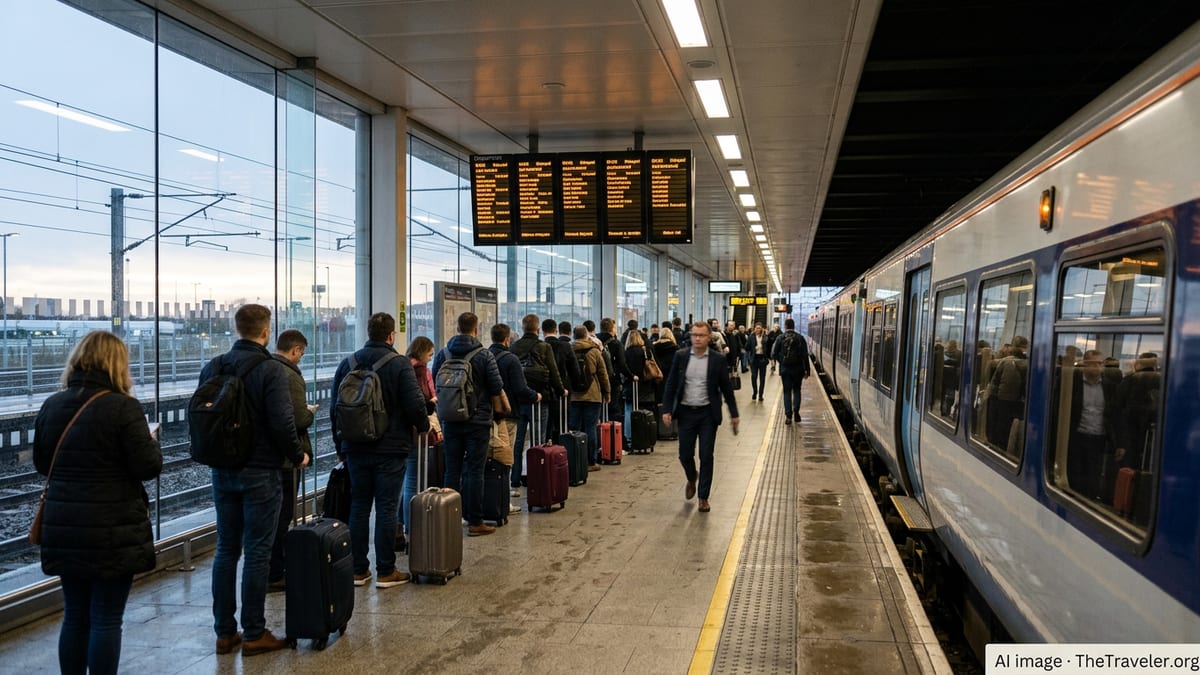
Even as leisure travelers navigate pool closures on land, rail passengers are confronting a different set of disruptions. Recent weeks have brought a series of derailments involving both passenger and freight equipment, continuing a pattern of incidents that has raised questions about track conditions, extreme weather, and aging infrastructure. Rail industry reports and public safety summaries point to several events in June and July in which trains left the tracks near major metropolitan areas, briefly halting or rerouting traffic on busy corridors.
In the latest widely discussed case, freight cars derailed near a Midwestern hub at the end of July, spilling onto adjacent right of way and slowing movements into and out of the region. Social media posts from rail workers and passengers, along with local news coverage, describe days of modified schedules, substitute buses, and freight backups while crews worked to rerail cars, rebuild damaged track, and inspect nearby bridges. Early indications tie the incident to track deformation during intense summer heat, a condition rail engineers have long warned can cause rails to warp and fastenings to fail.
The new disruption comes on the heels of higher profile derailments earlier in 2026 that involved intercity passenger services and regional commuter lines in Europe and Asia. International rail safety summaries highlight collisions at stations, overspeed incidents on curves, and infrastructure failures tied to heavy rain and flooding, underscoring how a wide range of factors can combine to push trains off the rails. Each episode adds scrutiny for both public and private operators, particularly when delays ripple through long distance holiday traffic.
For travelers planning late summer trips, the practical effect is a growing emphasis on contingency plans. Rail operators are publishing advisories urging passengers to check status frequently on day of departure, and some travel agents now recommend leaving extra time between train arrivals and onward connections, especially where single track segments or older bridges are involved. While most derailments remain rare in statistical terms, the clustered nature of recent incidents has pushed rail reliability and investment back onto political agendas in several countries.
Heat, Storms and Wildlife Complicate Peak Season Travel
The goose encroachments and rail derailments are part of a broader pattern in which extreme weather and wildlife interactions are complicating what used to be predictable summer routines. Heat waves across large parts of North America and Europe have stressed both power and transport networks, with aviation and rail operators warning of performance limits as tracks, overhead wires, and runways bake in the sun. In coastal and riverfront areas, higher water temperatures and heavier downpours have also been linked to more frequent bacterial advisories that temporarily close natural swimming spots.
At the same time, reports from parks departments and homeowner associations show more frequent encounters between people and animals in and around water features. Alongside pool loving geese, communities have documented everything from raccoons in splash pads to alligators discovered in private backyard pools in the southern United States. Wildlife specialists point to expanding suburban development into former wetland and riparian zones, combined with milder winters, as factors drawing animals into closer contact with human recreation spaces.
These overlapping pressures have prompted municipalities and resort operators to revisit their playbooks for the high season. Some have invested in additional shade structures, backup generators and water fountains to support visitors during heat emergencies, while others are rethinking landscaping and fencing to reduce attractive habitat for nuisance wildlife near pools and marinas. In tourism dependent regions, marketing materials increasingly highlight flexible cancellation policies and real time alerts about closures or hazards as a way to reassure visitors wary of sudden disruptions.
For individual travelers, the new normal means reading beyond glossy brochures and monitoring local advisories before and during trips. Checking for recent pool inspection reports, understanding the rail options available if a particular line is interrupted, and considering travel insurance that covers delay related expenses can help mitigate the impact when infrastructure or nature unexpectedly intervenes.
What Travelers Should Watch in the Weeks Ahead
As August progresses, transportation and recreation planners are eyeing a few key pressure points. High temperatures are expected to persist in many regions, prolonging the period in which steel rails and overhead power lines face additional strain and in which wildlife congregate around urban water bodies. Late summer thunderstorms and early tropical systems also pose a risk of localized flooding, which in past years has undermined track beds, inundated station underpasses, and temporarily shut down waterfront promenades and beachside pools.
On the rail side, inquiries and technical reviews underway after this season’s derailments may lead to targeted slow orders, expanded inspection regimes, or short term limits on freight tonnage over certain segments. Such measures can enhance safety but may also lengthen journey times or reduce the number of trains that can operate during peak holiday departures. Travelers relying on regional or commuter services into major cities may feel the effects most acutely during weekday rush hours.
For public pools and small waterparks, managers are balancing end of season staffing challenges with a late wave of demand from families squeezing in last swims before school calendars change. Where geese and other wildlife have become regular visitors, additional cleanings, signage, and in some cases temporary fencing or netting are being deployed to keep animals out of chlorinated basins and bathers away from aggressive birds. These extra steps can introduce short closures or adjusted hours that casual visitors might not anticipate without checking ahead.
Despite the complications, travel analysts note that overall demand for domestic leisure trips remains strong, supported by relatively low fuel prices and pent up interest in local experiences. With a bit of added flexibility and attention to emerging patterns on the ground, many travelers are still finding ways to adapt, whether that means swapping a closed pool for a shaded splash pad, taking an earlier train to allow for possible delays, or choosing destinations that public information shows to be less affected by current disruptions.
Other Travel Headlines to Note
Elsewhere in the travel sphere, rail enthusiasts are watching schedule changes on several long distance routes, as operators adjust timetables to accommodate infrastructure work and shifting demand. Timetable updates in Europe and North America reflect efforts to improve punctuality by adding recovery time and separating fast intercity services from slower local trains where possible, potentially enhancing reliability for visitors planning multi city itineraries.
In urban centers, major reflective pools and waterfront promenades that typically anchor civic tourism campaigns are undergoing or emerging from high profile renovation projects. Construction fencing, draining, resurfacing, and aesthetic redesigns have temporarily altered some of the most photographed backdrops in capital cities, transforming familiar vistas into work sites that attract as much curiosity as frustration. Publicly available project updates emphasize long term improvements to waterproofing, lighting, accessibility, and crowd management once the basins are refilled.
At smaller scales, park districts and recreation departments are rolling out new programs at neighborhood pools and lakeside beaches to keep visitors engaged despite environmental and infrastructure constraints. Pop up movie nights on dry decks, early morning lap hours tailored to heat and air quality forecasts, and cross promotion with nearby museums or indoor attractions provide alternatives when water access is limited. For destinations positioning themselves as resilient, adaptable and community focused, these incremental changes form part of a broader strategy to keep tourism and local recreation afloat in an increasingly unpredictable summer season.