


More news on this day
Royal Caribbean’s newest flagship, Legend of the Seas, has skipped scheduled calls to Naples, Italy, on two consecutive Western Mediterranean cruises, turning a marquee port into back-to-back days at sea and drawing scrutiny to the city’s cruise infrastructure and recent seismic activity.
Get the latest news straight to your inbox!
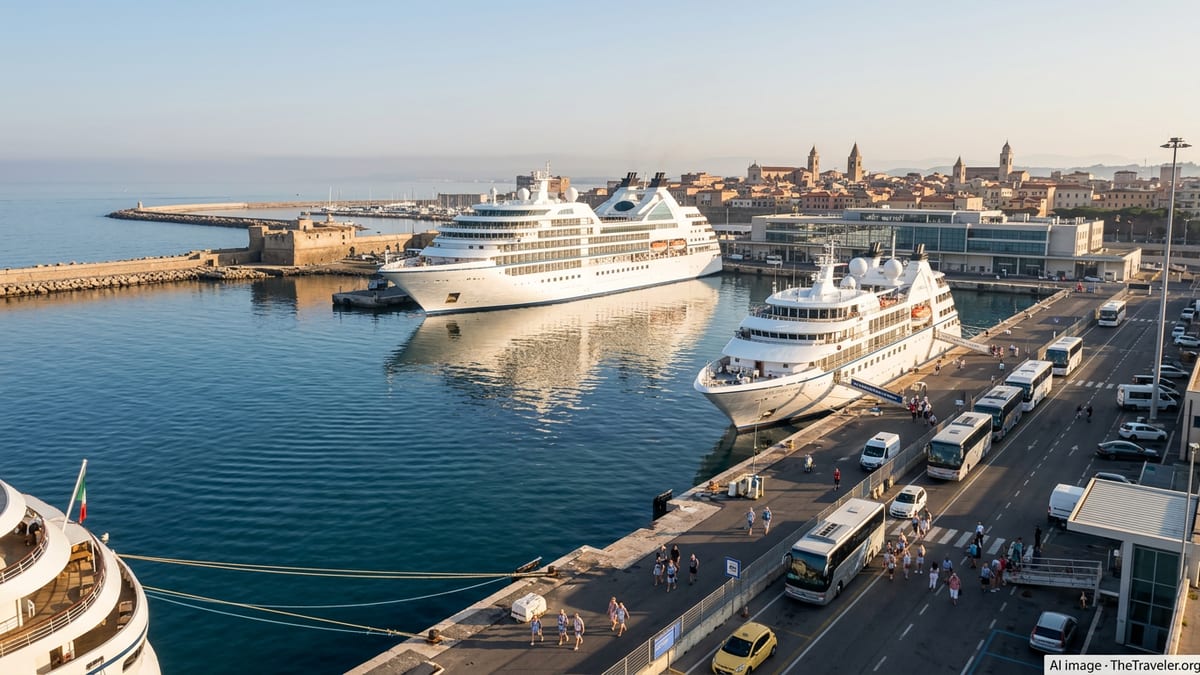
Back-to-back Cancellations on Debut Mediterranean Season
Legend of the Seas entered service in July 2026 with a series of high-profile Western Mediterranean itineraries featuring Naples as one of the key Italian ports. Schedules published by major cruise sellers showed the ship due to call at Naples on multiple July and August departures, including the maiden July 11 sailing from Civitavecchia and subsequent July 18 and July 25 departures.
Reports from cruise-tracking platforms and passenger accounts indicate that the ship has now bypassed Naples on two consecutive voyages, most recently at the end of July. On an eight-night sailing that left Civitavecchia on July 25, publicly available timetables listed a full-day stop in Naples, followed by Marseille and Barcelona. Instead, Legend of the Seas converted the Naples call into an additional sea day and continued directly toward France.
Cruise-focused news outlets describe a similar pattern on the immediately preceding itinerary, with the ship again omitting Naples late in the cruise and maintaining a revised route that favored sea days and alternative ports. Passengers posting on cruise forums noted that, in both cases, the change came after excursions and private tours in and around Naples, Pompeii and the Amalfi Coast had already been booked and paid for.
The decisions stand out because dependency on Naples is built into Legend of the Seas’ inaugural program. Promotional materials and booking engines for the 2026 season framed the city as a headline call, positioned alongside Rome, La Spezia and Barcelona as a gateway to some of Italy’s most visited historic sites.
Safety, Infrastructure and a Summer of Disruptions
There has been no detailed public explanation from Royal Caribbean or port authorities for why Legend of the Seas has now skipped Naples twice in quick succession. However, the cancellations come against the backdrop of several issues affecting the Bay of Naples this year, ranging from concerns over port infrastructure to a recent seismic event in the wider region.
Cruise commentary sites and passenger discussions highlight longstanding questions about whether existing berths in Naples are optimal for the newest generation of very large cruise ships. Travelers recount earlier calls where large vessels used tenders or chartered boats to disembark guests after captains expressed reservations about docking directly alongside older piers, describing them as aged or not ideally suited to the ship’s size and draft.
Published Italian news coverage has also charted a tense few months for the city’s maritime and transport networks, including a high-profile ferry fire in the port area in late May and periodic labor and transport disruptions. While those events focused mainly on local traffic, they added to a perception of operational strain at one of southern Italy’s busiest gateways.
At the end of July, international media reported a magnitude 4.7 earthquake near Naples that caused localized outages and minor damage. Regional authorities stressed that the event did not trigger large-scale closures, but cruise watchers have speculated that a combination of infrastructure checks, safety assessments and crowd-management concerns may have influenced cruise line decisions in the immediate aftermath.
Passenger Fallout: Lost Excursions and Extra Sea Days
For guests on Legend of the Seas, the most immediate impact of the repeated cancellations has been the loss of a port that many considered the highlight of their itinerary. Naples is the gateway to Pompeii, Herculaneum, Capri and the Amalfi Coast, and a significant share of passengers typically book independent tours or private drivers well in advance to secure those experiences.
Accounts on cruise message boards describe travelers scrambling to cancel or rebook excursions after onboard announcements that Naples would be dropped. Some reported partial refunds for tours purchased through the cruise line, while those with independent operators described mixed outcomes, with policies varying from full refunds to partial credits or rebooking offers.
In operational terms, turning a port day into a sea day gives the line greater control over scheduling and can reduce fuel and port-cost outlays, but it significantly changes the character of a Mediterranean cruise that many guests choose specifically for dense, port-intensive itineraries. Commenters noted that the back-to-back cancellations left some sailings with two unplanned sea days in succession, a noticeable shift for passengers expecting only one.
At the same time, several travelers posting about their experiences on Legend of the Seas observed that the ship’s expanded onboard amenities, entertainment and dining options helped absorb the additional time at sea. Some reported that spa appointments, specialty dining and show reservations became harder to secure, suggesting that demand for onboard activities quickly adjusted to the revised schedule.
Impact on Naples and the Wider Mediterranean Cruise Market
Naples has spent years building its profile as a major hub on Western Mediterranean routes, competing with ports such as Civitavecchia, Livorno and Marseille for high-capacity calls from large international lines. Regular visits from new-generation ships like Legend of the Seas are a significant source of spending for local tour operators, transport companies, restaurants and attractions across Campania.
Industry analysts note that even short-term cancellations can ripple through the local tourism economy, especially during the peak summer period when vessels typically sail at or near full capacity. When a ship with several thousand guests skips a port, that day’s expected demand for guides, coaches, taxis and admission tickets effectively vanishes, and some businesses may struggle to replace that revenue on short notice.
The back-to-back omissions from Legend of the Seas are therefore being watched closely by observers who track cruise deployment in the region. Published commentary from cruise analysts suggests that, if the underlying concerns relate to infrastructure or navigational margins, the situation could prompt longer-term reviews of how the largest ships use Naples, potentially favoring smaller vessels or alternative ports in the Tyrrhenian Sea.
On the other hand, if the cancellations prove to be a short-lived response to specific operational or environmental factors this summer, schedules could normalize later in the season or next year. For now, prospective passengers are being encouraged by travel advisers and cruise commentators to review their sailing’s latest itinerary a few days before departure and to consider flexible or refundable options for high-cost private excursions in ports that have recently experienced changes.
What Travelers Booking Legend of the Seas Should Know
The situation in Naples underscores how even meticulously planned cruise itineraries can shift close to departure or mid-voyage. Legend of the Seas’ experience in its first Mediterranean season is a reminder that port calls are always subject to change for operational, safety or environmental reasons, even when a city appears prominently in marketing materials and pre-cruise documentation.
Travel specialists following the ship’s sailings suggest that passengers with upcoming Western Mediterranean cruises on Legend of the Seas pay close attention to pre-cruise updates from booking portals and onboard apps. They also highlight the importance of checking the terms of any independently arranged tours in ports that have recently seen schedule volatility, including provisions on last-minute cancellation and weather or safety-related disruptions.
For travelers already on board, reports indicate that staff have been adjusting onboard programming to accommodate the extra sea days, adding daytime entertainment, extending pool hours and expanding dining availability to spread demand. While these measures cannot fully replace the missed opportunity to explore Naples and its UNESCO-listed sites, they can make unexpected changes more manageable for guests who suddenly find themselves with an unscheduled day at sea.
In the coming weeks, cruise watchers will be monitoring whether Legend of the Seas resumes regular calls at Naples or continues to favor alternative arrangements. The answer will help determine whether this summer’s skipped visits represent a fleeting operational anomaly or signal a more lasting recalibration of how one of Europe’s most popular cruise destinations fits into the itineraries of the newest and largest ships.