


More news on this day
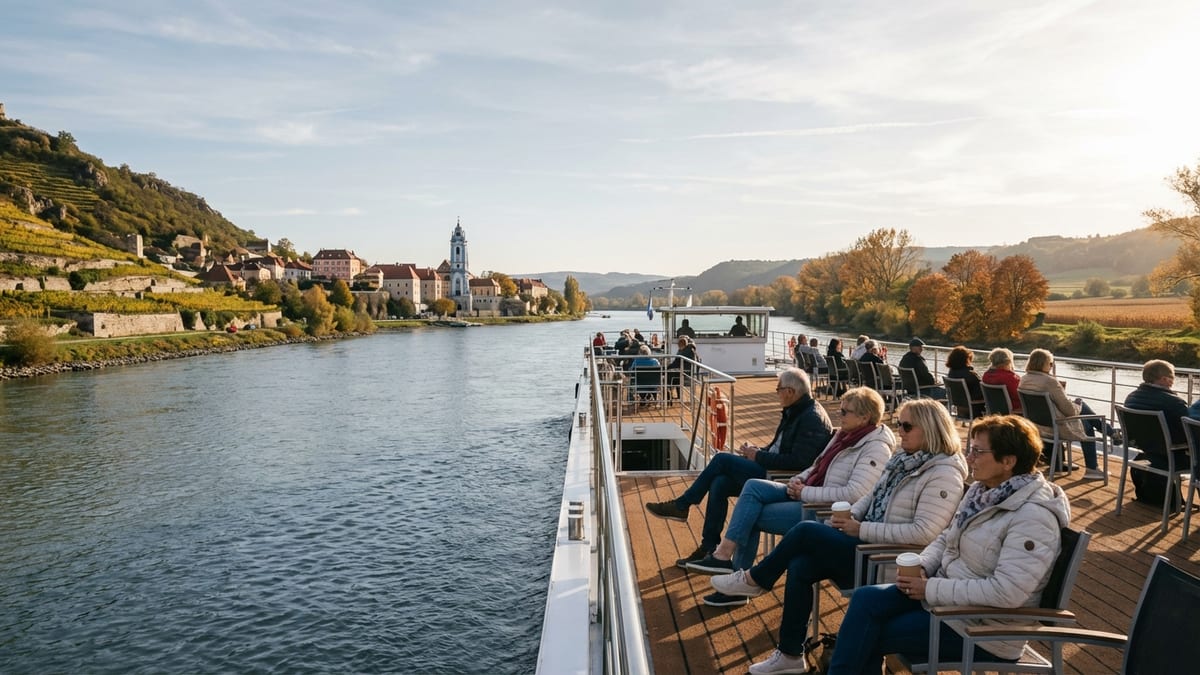
River cruising, long associated with retirees and special-occasion trips, is seeing a noticeable demographic shift as Generation X travelers move firmly into its core customer base, reshaping itineraries, onboard experiences and even ship design.
Get the latest news straight to your inbox!
Demographic tides shift toward midlife travelers
Recent industry analysis of European river cruising indicates that the average passenger age on many itineraries has fallen by as much as a decade, from around 65 to the mid-50s, signaling a clear move toward younger, still-working travelers with disposable income and limited vacation time.
Publicly available research on river cruise demographics continues to show a strong presence of older guests, with many lines reporting average ages in the 60s. At the same time, newer market reports and trade coverage describe a growing band of passengers in their late 40s and 50s, a cohort that corresponds closely to Generation X.
Travel trade publications have highlighted this shift for several seasons, noting that Gen X and late baby boomer travelers remain the largest source markets for many cruise brands, while river lines in particular report an uptick in bookings from first-time cruisers who are in their peak earning years and looking for trip formats that compress multiple destinations into one week or ten days.
Industry commentary also links the rising presence of Gen X on rivers to broader cruise trends. Cruise associations and financial analysts point out that average cruise ages across ocean and river sectors have been falling, with Gen X and millennials among the most likely groups to book repeat sailings. That pattern is now becoming visible on Europe’s rivers and on itineraries in North America and Asia.
Why river cruising resonates with Generation X
Several structural features of river cruising appear to align with Gen X travel priorities. Ships typically carry between 100 and 200 guests, creating a quieter, small-ship environment that contrasts with the mega-resorts at sea and appeals to travelers who value comfort but are wary of crowds and long queues.
Reports on traveler behavior show that many midlife vacationers now prioritize cultural immersion and logistical simplicity over nightlife or headline entertainment. River itineraries, which tend to dock in city centers and historic towns, offer a practical way to see several countries within a single week while minimizing packing, unpacking and transit time.
Price transparency is another factor. Many river cruises are sold as nearly all-inclusive products, bundling lodging, meals, city tours and transfers into one upfront cost. Travel analysts suggest this appeals to Gen X travelers who are often balancing college tuition, mortgages and retirement planning, and prefer to lock in the majority of their trip expenses before departure.
The pacing of river itineraries also matches the way many Generation X travelers now like to explore. Instead of racing through a dozen ports, typical routes along the Rhine, Danube or Douro offer longer stays in fewer places, with included walking tours and optional, more active excursions. This format suits travelers who want depth of experience without the intensity of fully independent backpacking.
Lines refresh itineraries and hardware for a younger mindset
In response to changing demographics, several river cruise brands have gradually updated both their hardware and programming. Trade coverage shows lines adding more interconnected cabins and flexible seating to accommodate multi-generational parties, friend groups and couples traveling together, a configuration that often includes Gen X parents or Gen X friend circles.
Fitness options and active touring have also expanded. Many new and refurbished ships feature larger gyms, dedicated wellness areas and fleets of onboard bicycles. Shore programs increasingly highlight hiking, cycling, wine-country walks and food-focused city tours that appeal to travelers who want to balance cultural sightseeing with movement.
Themed departures, from wine harvest sailings to music and Christmas market itineraries, are being promoted more visibly to travelers in their 40s and 50s. Trade reports describe these as an effective way to pull in Gen X guests who might already be interested in a particular hobby or cultural niche and are using the cruise primarily as a convenient framework for that interest.
Some operators have introduced more casual dining venues, longer bar hours and updated interior design, aiming for a contemporary boutique-hotel feel rather than the traditional cruise aesthetic. While the overall atmosphere on most river ships remains relaxed and low-key, these changes signal a clear attempt to remain relevant to passengers who came of age with modern city hotels and design-forward restaurants.
From “too young for a river cruise” to right on time
For years, online forums and consumer guides framed river cruising as a product better suited to retirees, with recurring questions from travelers in their 30s and early 40s about whether they would feel “too young” on board. Newer commentary suggests that this perception is starting to soften as the average age narrows and more Gen X travelers share their experiences.
Several independent travel resources now emphasize that younger guests can enjoy river cruising if they choose lines and itineraries aligned with their interests, rather than relying on outdated stereotypes. The key message is that the core format of river travel has not fundamentally changed, but the mix of passengers has diversified enough that middle-aged travelers are no longer outliers.
As Generation X ages into its 50s and early 60s, this cohort increasingly matches the traditional target market for river cruising in terms of both time and income. Consumer reports note that many of these travelers first encountered cruising as children or young adults on ocean ships and are now looking for a calmer, more culturally focused version of that experience.
This shift in perception is being reinforced by word-of-mouth and social media, where midlife travelers share itineraries that pair iconic sights with quieter pleasures such as café-hopping, photography and local food markets. For many Gen X guests, the appeal lies as much in the easy rhythm of river life as in the checklist of landmarks.
Market outlook as Gen X reaches peak river-cruise years
Market forecasts for the next several years point to continued expansion in river cruise capacity, especially in Europe and select regions of Asia. New ship orders, itinerary additions and targeted marketing all suggest that lines anticipate sustained demand from travelers who are older than typical millennial guests but younger than the traditional retiree core.
Industry reports focused on travel agents have previously flagged Gen X as one of the fastest-growing segments for cruise bookings overall, a trend that appears to be filtering steadily into river products. As more members of this generation reach milestones such as empty-nest status or flexible work arrangements, their ability to book longer, more expensive vacations is expected to rise.
Analysts also point to the potential for repeat business. Once Gen X travelers test river cruising and find that it provides a comfortable, logistically simple way to explore new regions, they may be inclined to return for different rivers or seasonal itineraries, from tulip-time sailings to autumn wine cruises.
With average river cruise ages falling, product offerings diversifying and midlife travelers prioritizing meaningful experiences over material goods, the sector appears well positioned to capture a larger share of Generation X vacation budgets in the years ahead.