


More news on this day
Germany is reshaping how it trains military aviators, with Lufthansa Aviation Training set to provide initial flight training for future Luftwaffe pilots in a move that ties civil aviation expertise more closely to the country’s expanding defense ambitions.
Get the latest news straight to your inbox!
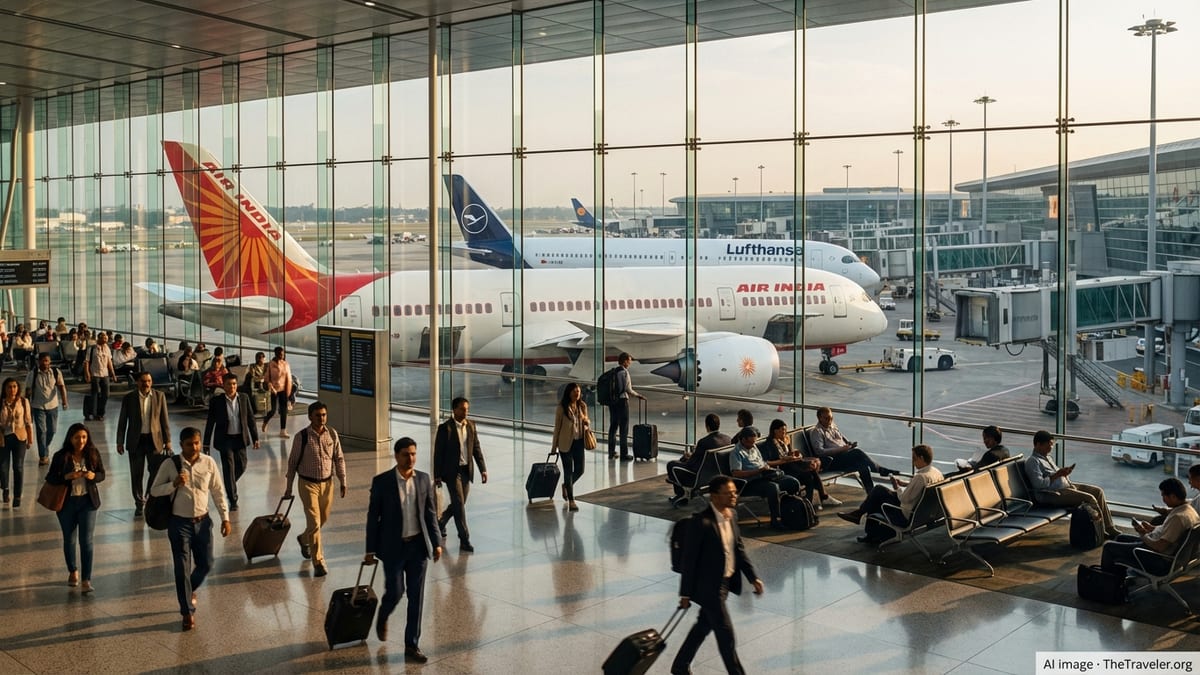
New Civil–Military Training Partnership Takes Shape
Publicly available information from Lufthansa Aviation Training shows that the company will assume responsibility for Initial Flight Training for around 50 German Air Force pilot trainees per year from 1 February 2027. The training will take place at Lufthansa’s Rostock-Laage site, using single engine Diamond DA40 NG aircraft and a cadre of instructors that includes many former Luftwaffe jet pilots.([lufthansa-aviation-training.com](https://www.lufthansa-aviation-training.com/de/-/lat-uebernimmt-initial-flight-training-fuer-deutsche-luftwaffe?utm_source=openai))
The arrangement establishes a clearer pathway from Lufthansa’s European Flight Academy into Germany’s military cockpit pipeline. The Rostock-Laage airfield already hosts the Tactical Air Force Wing 73 "Steinhoff," the Eurofighter training unit of the Luftwaffe, which operates from the same location. The close proximity between civil-school aircraft and front line fighter training assets is intended to support a smoother transition from basic flying skills to advanced combat aviation.([lufthansa-aviation-training.com](https://www.lufthansa-aviation-training.com/de/-/lat-uebernimmt-initial-flight-training-fuer-deutsche-luftwaffe?utm_source=openai))
Lufthansa Aviation Training has long been positioned as a core provider of pilot training within the Lufthansa Group and has previously supported military training phases in cooperation with the Bundeswehr. The new Initial Flight Training responsibility formalizes and updates that role, aligning with the group’s wider campus model for ab initio pilots and emerging demand for cockpit crews across commercial and defense sectors.([lufthansa-aviation-training.com](https://www.lufthansa-aviation-training.com/en/web/european-flight-academy/efa-campus?utm_source=openai))
Defense Aviation Expansion Drives Demand for Pilots
Germany’s decision to rely more heavily on a civilian provider for basic military flight training comes as the Bundeswehr invests in a significantly larger and more complex air fleet. Recent orders include 60 Boeing CH 47F Block II Chinook heavy lift helicopters for the Luftwaffe, new maritime patrol aircraft for the navy and additional transport and surveillance platforms. These procurements increase the requirement for trained aircrew at a time when allied air forces across NATO are competing for the same talent pool.([bundeswehr.de](https://www.bundeswehr.de/de/organisation/luftwaffe/aktuelles/erste-luftwaffen-piloten-ch-47-zugelassen-5816646?utm_source=openai))
The Luftwaffe’s own descriptions of its pilot career path highlight the length and intensity of the training pipeline. Candidates progress from basic military training through Luftwaffe officer school and then into multi year flying programs in Germany, the United States and other partner nations, depending on whether they are destined for jet, transport or helicopter cockpits. The expansion of Germany’s air capabilities after 2022 has placed renewed attention on how quickly new pilots can be brought through this system without compromising standards.([bundeswehr.de](https://www.bundeswehr.de/de/organisation/luftwaffe/aktuelles/drei-wege-fuehren-ins-kampfpiloten-cockpit?utm_source=openai))
In parallel, NATO is attempting to streamline and share aviation training capacity via initiatives such as NATO Flight Training Europe and the long standing Euro NATO Joint Jet Pilot Training scheme in Texas. Germany participates in both arrangements, combining multinational training with national programs and, increasingly, contracted civil providers such as Lufthansa Aviation Training.([nato.int](https://www.nato.int/en/news-and-events/articles/news/2024/03/25/nato-allies-strengthen-cooperation-on-military-aviation-training?utm_source=openai))
Lufthansa Aviation Training’s Growing Defense Portfolio
The new Initial Flight Training contract builds on a broader pattern of Lufthansa Group involvement in German and allied defense aviation. Company briefs describe how Lufthansa Aviation Training already supports Bundeswehr drone pilot instruction at Rostock, trains German navy crews of the P 8A Poseidon maritime patrol aircraft at its Berlin simulator center and prepares helicopter crews across the armed forces. These activities sit alongside Lufthansa Technik’s expanding maintenance, repair and overhaul work for military fleets, including German government aircraft and future signals intelligence platforms.([european-flight-academy.com](https://www.european-flight-academy.com/en/web/guest/-/lat-takes-over-initial-flight-training-for-the-german-airforce?utm_source=openai))
Policy material from the group frames this dual role as part of a broader response to what German officials have described as a turning point in European security. Lufthansa’s defense activities are organized under the Lufthansa Technik Defense brand, which focuses on long term support for military aircraft and on leveraging civil aviation standards in areas such as safety, logistics and digital fleet management. The training arm complements this by applying commercial cockpit training methodologies, simulators and course design to military use cases.([politik.lufthansagroup.com](https://politik.lufthansagroup.com/politikbrief-dezember-2025?utm_source=openai))
The Rostock-Laage campus itself has been an anchor for civilian pilot training within Lufthansa for many years. The European Flight Academy markets the site as part of a network offering instrument flight training and type specific courses, with a guarantee that successful graduates will receive a cockpit job offer within the group within 24 months. Integrating military Initial Flight Training into this environment cements the airport’s position as one of Germany’s most diversified aviation training hubs.([lufthansa-aviation-training.com](https://www.lufthansa-aviation-training.com/de/-/lat-uebernimmt-initial-flight-training-fuer-deutsche-luftwaffe?utm_source=openai))
Implications for Aspiring Pilots and the Wider Aviation Market
The closer linkage between Lufthansa’s training infrastructure and the Luftwaffe’s pilot pipeline could reshape career planning for young aviators in Germany. The European Flight Academy already presents itself as a gateway into commercial cockpits at Lufthansa Group airlines, amid forecasts of ongoing pilot shortages. The addition of a formal Initial Flight Training role for the air force introduces a more visible option for candidates willing to pursue a military track that still benefits from civil training standards and equipment.([lufthansa-aviation-training.com](https://www.lufthansa-aviation-training.com/en/web/european-flight-academy/efa-campus?utm_source=openai))
For Germany’s defense establishment, partnering with a major civil operator distributes some of the training load at a time when air assets are being deployed more frequently across Europe and the Indo Pacific region. Recent Luftwaffe participation in multilateral exercises such as Pacific Skies 24, which linked deployments to Australia, Japan and other partners, illustrates how operational tempo and geographic reach are increasing. A stable stream of basic flight graduates will be critical if such missions are to be sustained in the long term.([bundeswehr.de](https://www.bundeswehr.de/en/organization/german-air-force/pacific-skies-24-?utm_source=openai))
Industry observers also point to a broader convergence between civil and military aviation in areas like training, maintenance and simulation. As Germany and other NATO members expand their military fleets, large airline groups with established training centers and engineering divisions are positioning themselves as partners for public authorities. The Lufthansa Initial Flight Training deal for the Luftwaffe is one of the clearest examples of this trend, signaling that future German military pilots may increasingly begin their careers in classrooms and cockpits traditionally associated with commercial aviation.
Lufthansa Aviation Training – Initial Flight Training for the German Air Force
Bundeswehr – Wege in das Kampfpiloten-Cockpit
Lufthansa Group Policy Brief – Cooperation with the Bundeswehr