


More news on this day
The United Kingdom continues to flag Milan’s ongoing unrest in its travel advice for Italy, urging visitors to stay vigilant as cost-of-living protests and a reinforced security presence keep the country on elevated watch lists for foreign travelers.
Get the latest news straight to your inbox!
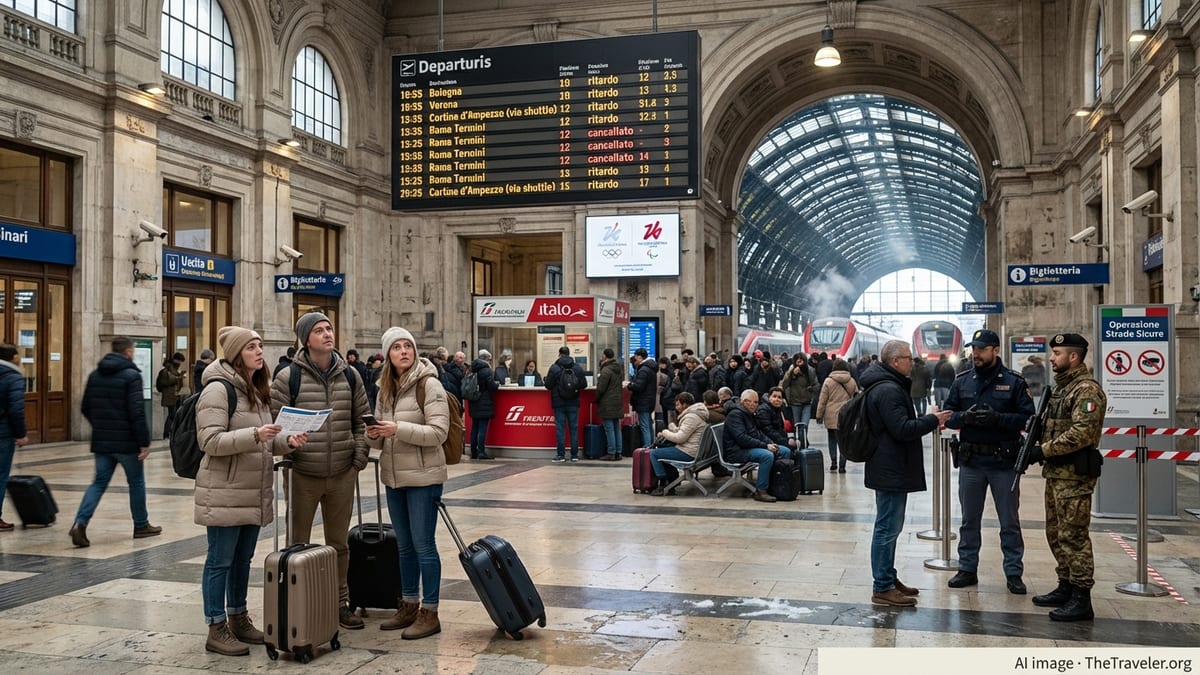
UK travel advice keeps focus on Milan’s streets
Publicly available information on the UK government’s foreign travel advice site shows that Italy remains under an alert that highlights the risk of civil unrest, with specific references to recent demonstrations and a visible security buildup in Milan. The advisory notes an increased presence of police and military personnel in parts of the city and reminds visitors that protests can materialize at short notice, sometimes disrupting movement in central areas.
The guidance does not discourage travel outright, but it urges visitors to avoid large gatherings, monitor local media and follow the instructions of local services if they encounter protests. Travelers are also reminded that demonstrations often take place in or around key urban hubs, including major squares and transport nodes, where crowds and security operations can quickly lead to delays.
Other national advisories, including those from Canada and Australia, continue to describe Italy overall as a low or medium risk destination while stressing that protest activity in major cities such as Milan, Rome and Naples can escalate, particularly around economic and political flashpoints. These notices collectively underline that while tourism continues largely as normal, civil unrest is now a regular factor visitors must consider when planning city stays.
Milan at the center of Italy’s cost-of-living unrest
Reports from international outlets including Euronews, Deutsche Welle and Italian news agencies describe Milan as one of the principal focal points of Italy’s current wave of cost-of-living protests. Demonstrations that began in mid-October as largely peaceful marches over soaring rents, stagnant wages and higher energy and transport costs have, on several occasions, ended in clashes with police in and around central districts.
Coverage indicates that Piazza del Duomo and nearby commercial streets have seen some of the most visible confrontations, with masked groups breaking away from larger marches, throwing projectiles and setting improvised barricades alight. Shops in central areas have reported broken windows and damage during the most intense nights of unrest, while street furniture and public transport infrastructure have also been targeted.
In response, Italian authorities have deployed additional security resources to Milan, including several hundred troops assigned under a national security decree. Media coverage describes a sustained security footprint around key junctions, shopping streets and transport hubs, particularly on days when further demonstrations are advertised on social media by youth-led protest networks.
Impact on visitors: disruption risks more than direct targeting
For travelers, the primary risk highlighted by official advisories and recent reporting is disruption rather than direct targeting. The UK’s Italy guidance and similar notices from other governments state that most demonstrations are not aimed at tourists, but that bystanders can be affected when marches turn confrontational or when crowd-control measures such as tear gas and water cannon are used.
Local and international coverage from the past two weeks describes tram services being diverted, streets cordoned off and some central railway or metro entrances temporarily closed at short notice during protest days in Milan. These measures can delay journeys to and from key attractions and transport hubs, including the area around Milano Centrale station and the historic center.
Travel-focused advisories and insurer briefings currently recommend that visitors build extra time into transfers on weekends and evenings, particularly when major protests are advertised. Some guidance suggests choosing accommodation slightly away from the main demonstration corridors around Piazza del Duomo and the busiest shopping avenues if travelers are concerned about noise or late-night disturbances.
While incidents of serious injury to visitors have not featured prominently in recent reporting, images and accounts of rapidly shifting situations around marches have prompted warnings that travelers should avoid attempting to cross protest lines, film confrontations at close range or ignore police cordons, as conditions on the ground can change quickly.
How long the alert may stay in place
The UK’s foreign travel advice system does not set fixed expiry dates for risk flags related to civil unrest, and Italy’s current notice is expected to remain under frequent review while protests continue. Updates to the Italy page in recent days indicate that the section on safety and security has been refreshed to reflect the recent demonstrations and the ongoing deployment of extra security forces in Milan.
Observers note that the trajectory of the protests will likely shape future changes to the advisory. Italian and international coverage points to further calls for weekend marches and a broader mobilization by unions and student groups in November. If these events remain largely peaceful and disruption diminishes, travel alerts could be softened. Should renewed clashes occur in central Milan or other major cities, the focus on urban unrest in foreign advisories may persist or even be strengthened.
For now, the message to tourists planning trips in late 2026 is one of cautious continuity: flights, trains and hotels are operating, museums and cultural attractions are open, and Italy remains one of Europe’s busiest tourism markets. At the same time, Milan’s high-profile role in the country’s cost-of-living protests means that security conditions in the city are likely to remain a prominent feature of official travel guidance in the weeks ahead.
Planning a Milan trip under the current guidance
Under the present UK and international advisories, travelers heading to Milan are encouraged to prepare more thoroughly than they might have a year ago. This includes checking government travel advice pages in the days before departure, looking at local news for any mention of scheduled demonstrations and remaining flexible about daily itineraries that pass through central squares or government and financial districts.
Travel risk analysts and consular guidance suggest that visitors carry identification, know the location of their embassy or consulate and keep digital copies of travel documents accessible in case of unexpected disruption. They also recommend monitoring transport operator announcements for temporary route changes, particularly on weekends when protest activity has recently been concentrated.
Accommodation providers in Milan’s central neighborhoods are continuing to welcome international guests, but some have begun advising visitors to plan restaurant bookings and evening movements with potential protest-related detours in mind. Travelers who prefer a quieter base are looking to districts a short metro ride from the heart of the city, where the impact of demonstrations has been less direct and nightly disturbances have been limited.
As winter approaches and attention gradually turns toward Italy’s role in upcoming sporting events and holiday tourism, the situation in Milan remains fluid. The UK’s decision to keep its alert language in place underscores that, for now, anyone planning a visit to Italy’s financial and fashion capital should factor civil unrest and a stronger security presence into their travel planning, even as the city continues to welcome large numbers of international visitors.