


More news on this day
Passengers connecting through Iceland faced a fresh wave of disruption today at Keflavik International Airport, as a cluster of cancellations and delays involving Air Iceland Connect and Scandinavian carrier SAS disrupted at least five flights and snarled major routes linking Greenland, continental Europe, Scandinavia and the United States.
Get the latest news straight to your inbox!
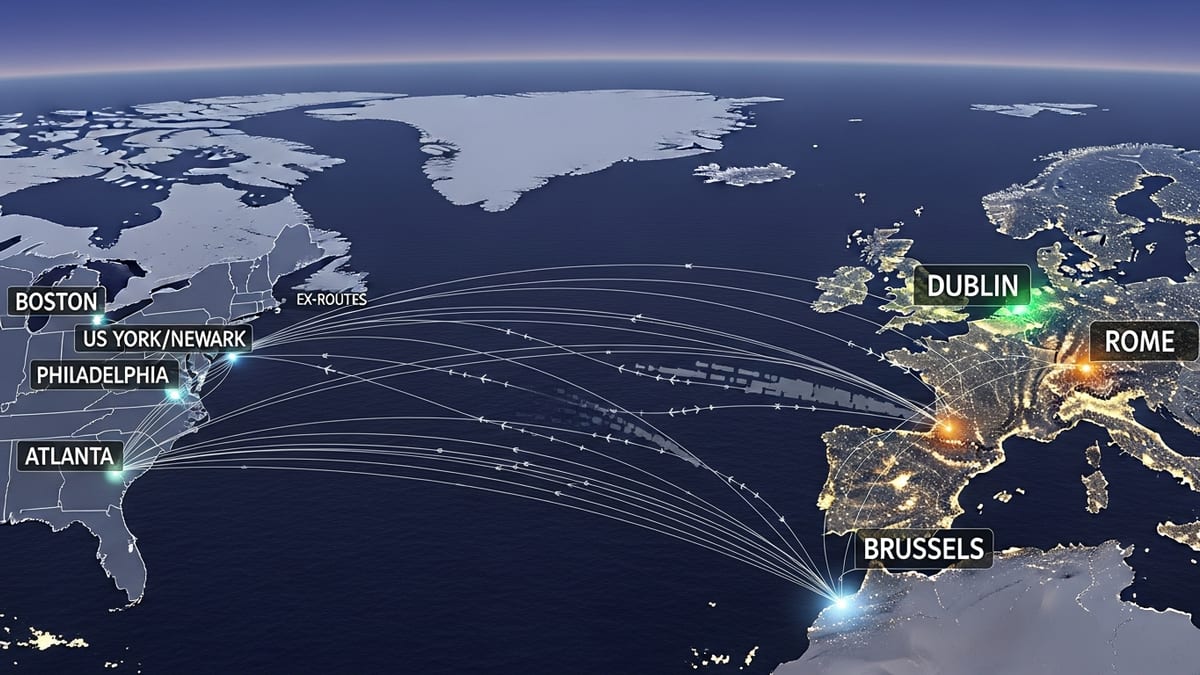
Cluster of Grounded Flights Hits Keflavik Hub
Publicly available airport data and independent disruption trackers indicate that operations at Keflavik have been affected by a small but significant pocket of grounded and heavily delayed services, including at least five flights involving Air Iceland Connect and SAS. While overall traffic through Iceland’s primary international gateway remains high, these interruptions have had an outsized impact on passengers reliant on Keflavik for long-haul connections between North America and Europe.
Reports suggest that the affected services include regional links to Greenland alongside European and transatlantic departures. Routes touching Kulusuk in eastern Greenland and major continental hubs such as Brussels and Munich appear to be among those disrupted, alongside connections into Norway and Sweden that feed into the wider SAS network. Delays on these flights are also spilling over into onward itineraries to the United States and other long-haul destinations that depend on tightly timed transfers at Keflavik.
Information published by Keflavik Airport and route-mapping platforms underlines the strategic role of SAS and Air Iceland Connect in knitting together regional and intercontinental traffic. When even a handful of flights are grounded or experience extended delays, the knock-on effect is felt across multiple time zones as missed connections and unplanned stopovers accumulate.
Regional Links to Greenland and Scandinavia Disrupted
Connections between Iceland and Greenland are among the most sensitive to irregular operations, owing to limited flight frequencies and sparse alternative options. Public records show that Air Iceland Connect typically handles links from Keflavik to key Greenlandic gateways such as Kulusuk, which serve as lifelines for local communities as well as entry points for adventure tourism. A grounded or significantly delayed flight on this corridor can mean overnight or multi-day disruptions for passengers with few rebooking possibilities.
Travel industry coverage notes that recent disruptions at Keflavik have come on top of a busy summer season in which traffic volumes are already high. Against this backdrop, cancellations and long delays on Greenland routes are particularly challenging, since capacity is constrained and aircraft are scheduled to perform tightly sequenced rotations between Iceland and remote Arctic destinations.
Scandinavian routes have also been affected, particularly those operated by SAS from hubs in Norway and Sweden. According to network data for SAS, the carrier maintains extensive European and intercontinental links, using Copenhagen, Oslo and Stockholm as key connecting points. Disruptions on Keflavik services feeding into this network can create a cascade of itinerary changes for passengers bound for wider Scandinavia or beyond.
Impact on European Hubs: Brussels and Munich Among Key Nodes
Major European hubs such as Brussels and Munich play an important role in distributing transatlantic and regional traffic that passes through Iceland. Flight schedules published for Keflavik show regular movements between Iceland and German and Belgian gateways, often scheduled to support onward connections deeper into Europe as well as links to the United States.
When services on these sectors are grounded or subjected to extensive delays, travelers risk missing carefully planned onward flights operated by other carriers, from intra-European connections to long-haul departures. Recent disruption reports at Keflavik have underlined how even a modest cluster of delayed departures can leave passengers re-routed through alternative hubs or forced to spend unplanned nights in transit.
Operational challenges at partner airports can compound these problems. Industrial action and staffing issues reported recently at Brussels Airport, for example, have highlighted how ground handling constraints can slow baggage processing and aircraft turnaround, adding further uncertainty for travelers attempting to navigate multi-leg journeys that include a stop in Iceland.
Transatlantic and US-Bound Connections Feel the Strain
Keflavik’s role as a mid-Atlantic bridge means that disruption at the airport is quickly felt on routes linking Europe, Greenland and North America. Schedules compiled by aviation data providers show that Iceland functions as a key transfer point for travelers connecting between cities in Scandinavia, Germany and Belgium and destinations in the United States and Canada. In peak travel periods, aircraft are often close to full, leaving limited spare capacity to absorb displaced passengers.
Even when only a handful of flights are grounded, long delays can cause travelers to miss onward departures to US hubs, particularly those timed to depart within a few hours of arrival from Europe. Publicly available accounts from recent irregular operations at Keflavik describe travelers facing extensive rebooking queues, overnight accommodation arrangements and the prospect of rerouting through entirely different transatlantic gateways to reach their final destinations.
Travel disruption specialists note that passengers on affected services may be entitled to assistance such as meals, lodging and rebooking, depending on the cause of the delay and applicable regulations. However, they also emphasize that compensation rights and practical support can vary significantly depending on whether the journey falls under European Union rules, local Icelandic provisions or other international frameworks.
Passengers Urged to Monitor Flights and Build in Extra Time
Analysts observing the current situation at Keflavik suggest that, while the airport as a whole remains operational, the pattern of scattered but disruptive delays underscores the importance of real-time information and contingency planning for travelers. With Air Iceland Connect and SAS serving critical regional and long-haul links, any operational strain, staffing shortage or weather-related issue can quickly ripple through the network.
Travel industry commentary encourages passengers scheduled to fly via Keflavik to monitor departure and arrival boards closely on the day of travel and to consult airline channels for the latest status updates. For those with tight connections, particularly on routes involving Greenland, Scandinavia or transatlantic sectors to the United States, building in additional buffer time or considering longer layovers may reduce the risk of missed onward flights.
Recent experience at the Icelandic hub shows that even in an otherwise resilient and growing airport system, a small cluster of grounded and delayed flights can cause outsized disruption. As summer travel demand continues to rise, the combination of heavy passenger volumes and intermittent operational challenges means that flexibility and preparedness remain crucial for anyone planning to traverse Keflavik in the coming days.