


More news on this day
A freight train derailed in northeast El Paso, closing a stretch of Railroad Drive as emergency and railroad crews moved in to secure the site, clear damaged railcars and manage traffic in the surrounding neighborhoods.
Get the latest news straight to your inbox!
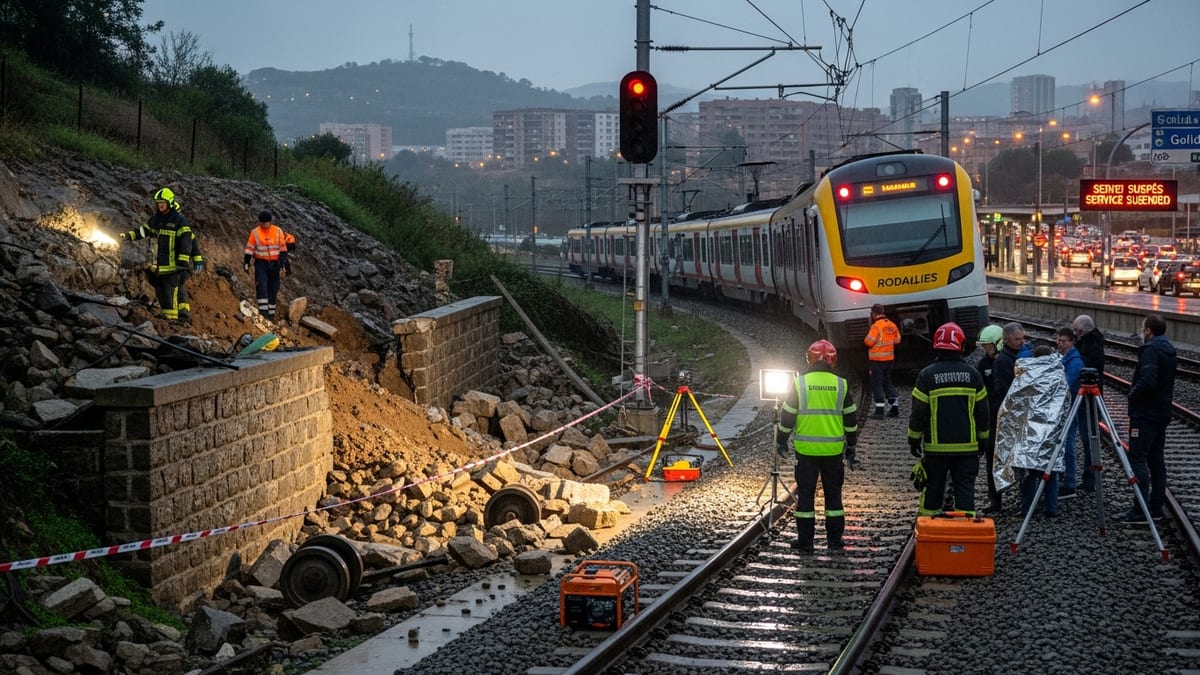
Derailment Shuts Key Corridor in Northeast El Paso
Initial reports indicate that multiple freight cars left the tracks along a rail corridor that runs parallel to Railroad Drive in northeast El Paso, prompting officials to close a section of the roadway to through traffic. Publicly available mapping and planning documents show that Railroad Drive serves as a major north–south arterial route linking residential areas to commercial districts and regional highways, so even a partial closure can ripple quickly through local traffic patterns.
Information from early local coverage and regional transportation notices suggests that the derailment occurred near an area where the rail line and roadway run in close proximity, increasing the potential for debris, heavy equipment and safety cordons to extend into the driving lanes. While detailed timelines have not yet been published, images from the scene shared by local outlets and on social media show freight cars tilted or on their sides along the right of way, with work crews staging nearby.
As of the latest updates, there were no widely reported indications of serious injuries, and early accounts did not identify a release of hazardous materials. Most descriptions of the cargo refer to standard freight consists, a contrast with higher profile derailments elsewhere in the United States that have involved flammable liquids or chemicals. Even without a hazardous cargo component, however, the physical damage to track, ballast and roadway infrastructure can be extensive and time consuming to repair.
Rail safety data from the Federal Railroad Administration notes that derailments of this type are investigated to determine possible causes such as track defects, mechanical issues or operational factors, and findings are typically added to national rail safety databases after preliminary field work is complete. Those records, which are updated regularly, provide context for how incidents in border communities like El Paso compare with national trends.
Traffic Detours and Neighborhood Impacts
The closure of a portion of Railroad Drive has triggered detours that funnel vehicles onto nearby arterial streets and residential connectors. Based on the street grid in northeast El Paso, traffic is likely being redirected toward parallel routes that can accommodate higher volumes, though some neighborhood streets may experience temporary congestion as drivers seek alternate paths around the closure.
According to published coverage of similar derailments in other U.S. cities, road closures near rail corridors can last from several hours to multiple days, depending on the complexity of the cleanup and the need for structural inspections. When railcars jackknife or leave the right of way, cranes, heavy-haul trucks and track machinery must be brought in, often requiring full lane closures to safely position equipment.
For residents and local businesses along Railroad Drive, the disruption can affect deliveries, commute times and access to services. Some businesses near prior derailment sites in other regions have reported temporary declines in foot traffic during cleanup operations, particularly when sidewalks or parking areas fall within safety perimeters. In northeast El Paso, the degree of interruption will depend on how close storefronts and driveways are to the affected segment of the corridor and how quickly work progresses.
Emergency access is another concern in these situations. Publicly available emergency management guidance for rail incidents emphasizes the need to coordinate with fire, police and medical responders to maintain access routes for ambulances and fire apparatus while still preserving a secure perimeter around the derailment. In similar incidents nationwide, agencies have typically adjusted response routes in real time to avoid blocked crossings and road closures.
Railroad and Regulatory Response
Derailments that involve damage to track or equipment typically trigger internal reviews by the operating railroad and formal reporting to federal regulators. Federal Railroad Administration guidance specifies that railroads must document derailments and other qualifying events, including information on train makeup, track conditions and initial assessments of cause. These reports feed into broader safety trend analyses that are made available to the public through federal data portals.
In El Paso, freight rail operations intersect with a busy binational corridor, serving cross-border trade and domestic freight movements. When a train derails on a line adjacent to a major roadway such as Railroad Drive, railroad companies generally prioritize reopening the track while also working with local agencies to restore road access. Published accounts of previous incidents in Texas and other states describe a multi-step process that begins with stabilizing the site, documenting car positions, and then using cranes and specialized equipment to re-rail or remove damaged cars.
Once the railcars are cleared, attention usually shifts to the underlying track structure. Ballast may need to be replaced, ties reset and rail sections swapped out before trains can resume service at normal speeds. In some cases, temporary speed restrictions remain in place while monitoring continues. Road agencies may also inspect adjacent pavement, guardrails and drainage features along corridors like Railroad Drive for damage from heavy equipment or debris.
Investigative findings for derailments, whether they point to track defects, mechanical issues or human factors, can influence future maintenance schedules and investment priorities. In fast-growing metropolitan areas such as El Paso, where transportation plans already highlight projects along Railroad Drive and nearby corridors, any new lessons learned from a derailment can be folded into ongoing engineering and safety work.
Ongoing Cleanup and Community Questions
As cleanup operations continue in northeast El Paso, many residents are watching for updates on when Railroad Drive will fully reopen and what the long-term implications might be for safety along the corridor. Based on timelines from comparable derailments in other parts of the country, crews may remain on site for several days to complete debris removal, track repairs and detailed inspections, even if a portion of the road reopens sooner to limited traffic.
Publicly available information from other recent derailments shows that environmental assessments are often part of the recovery process, particularly if fuel, lubricants or cargo materials escape from damaged equipment. In this case, early accounts have not highlighted large hazardous releases, but standard practice would still involve checking soil and nearby drainage channels for contamination and taking remedial steps if needed.
Residents in the surrounding neighborhoods are likely to have questions about how frequently trains use this section of track, whether any speed or operational changes will follow, and what steps are being taken to reduce the risk of a similar occurrence. In other communities affected by derailments, local governments have sometimes responded by reviewing land use near rail corridors, updating emergency response plans and collaborating with railroads on public information campaigns about rail safety.
For a city that relies heavily on both highway and rail freight, the derailment along Railroad Drive underscores how closely linked transportation systems are in El Paso. As more information emerges about the cause of the incident and the full scope of the damage, attention is likely to focus on how quickly critical routes can be restored and what measures can be adopted to strengthen safety along one of the city’s key north–south corridors.